
Last updated November 23, 2026
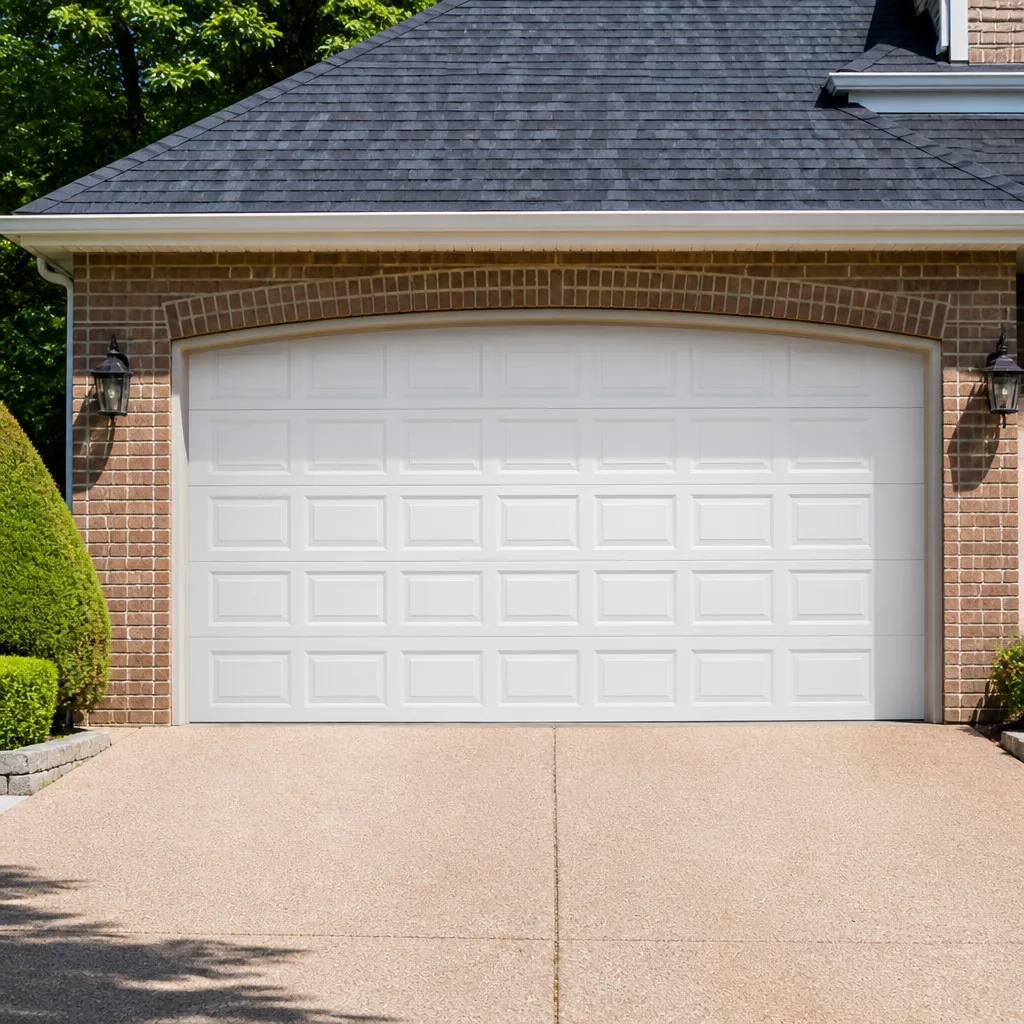 Raised-panel steel
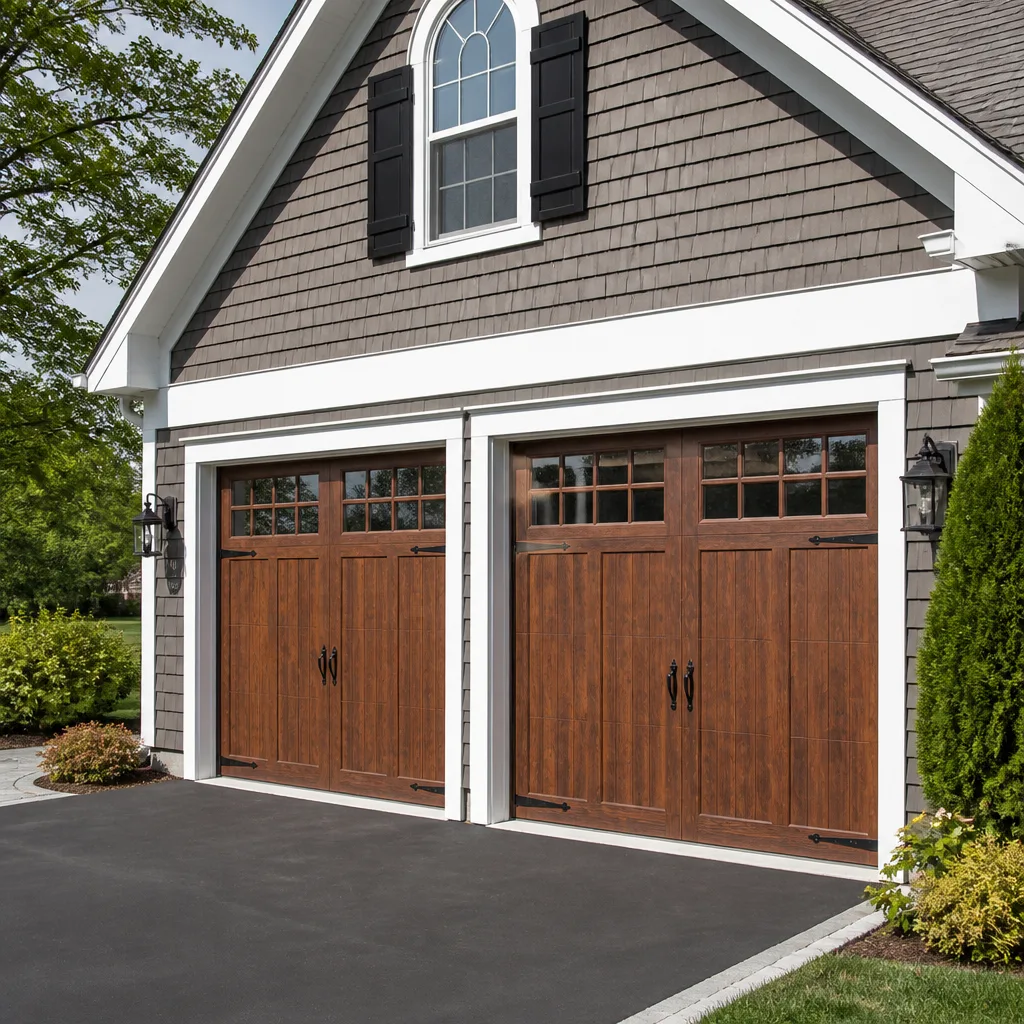 Carriage house
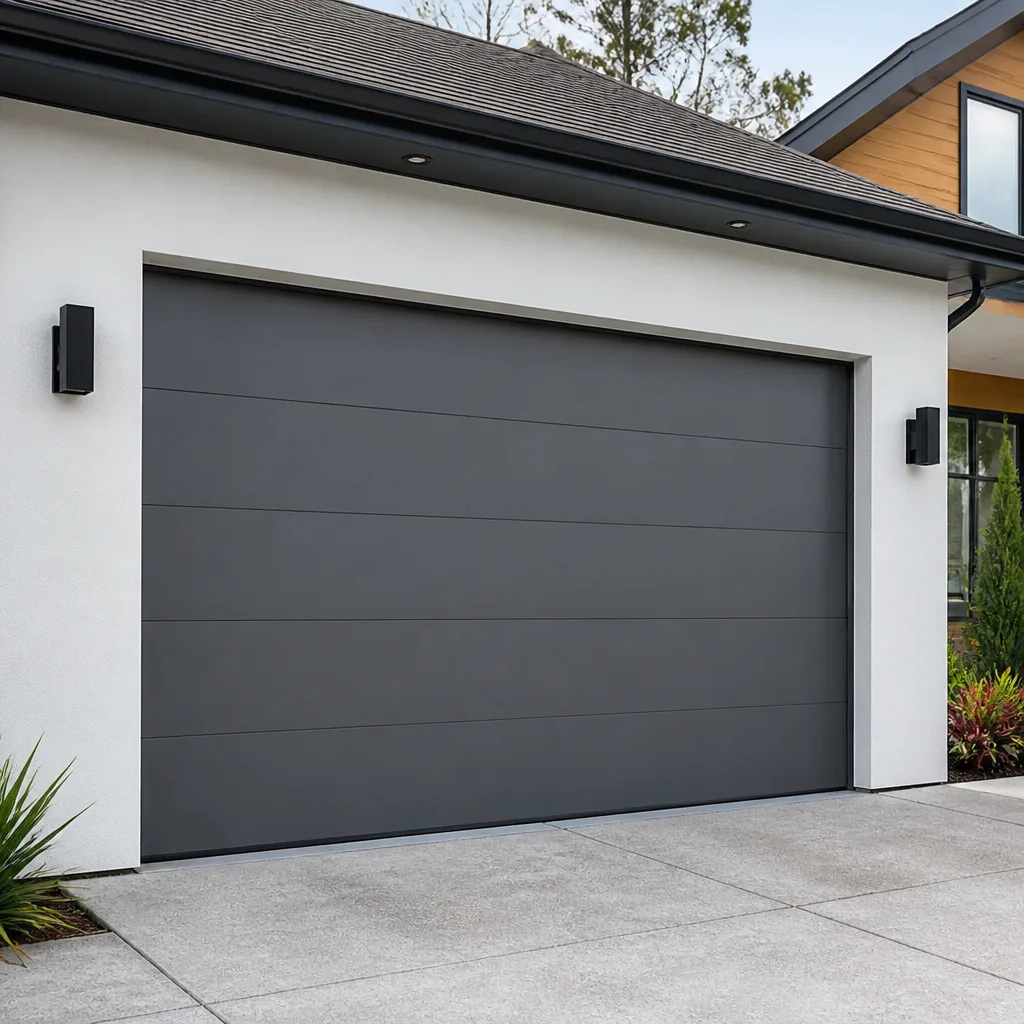 Modern flush
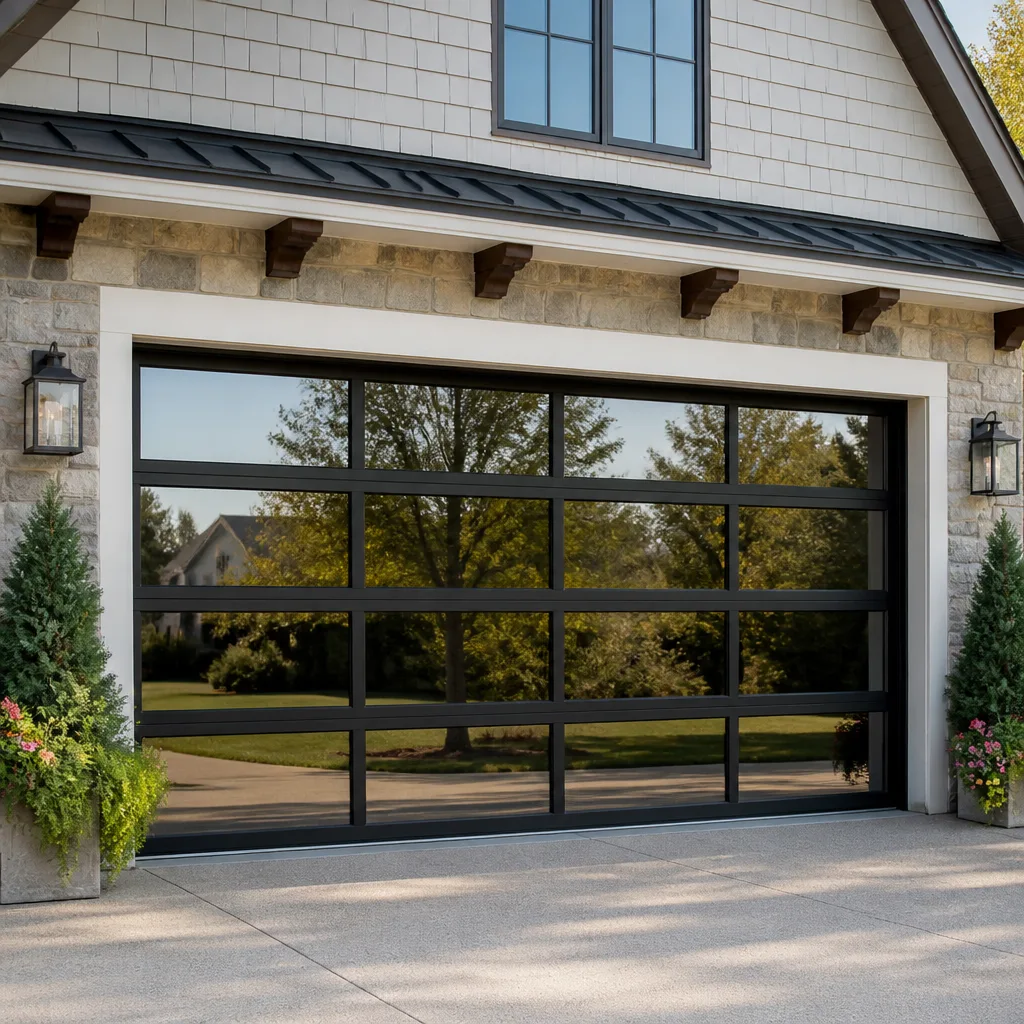 Full-view glass
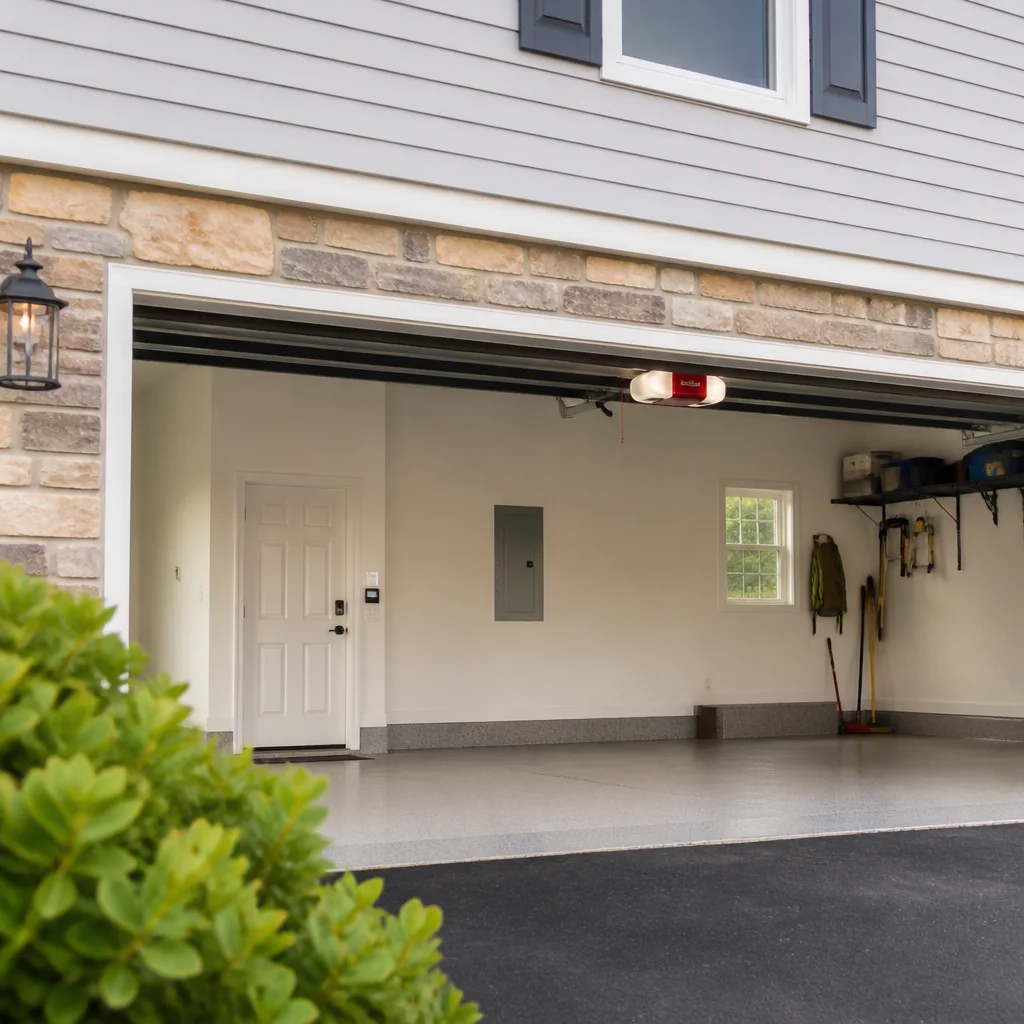 LiftMaster openers
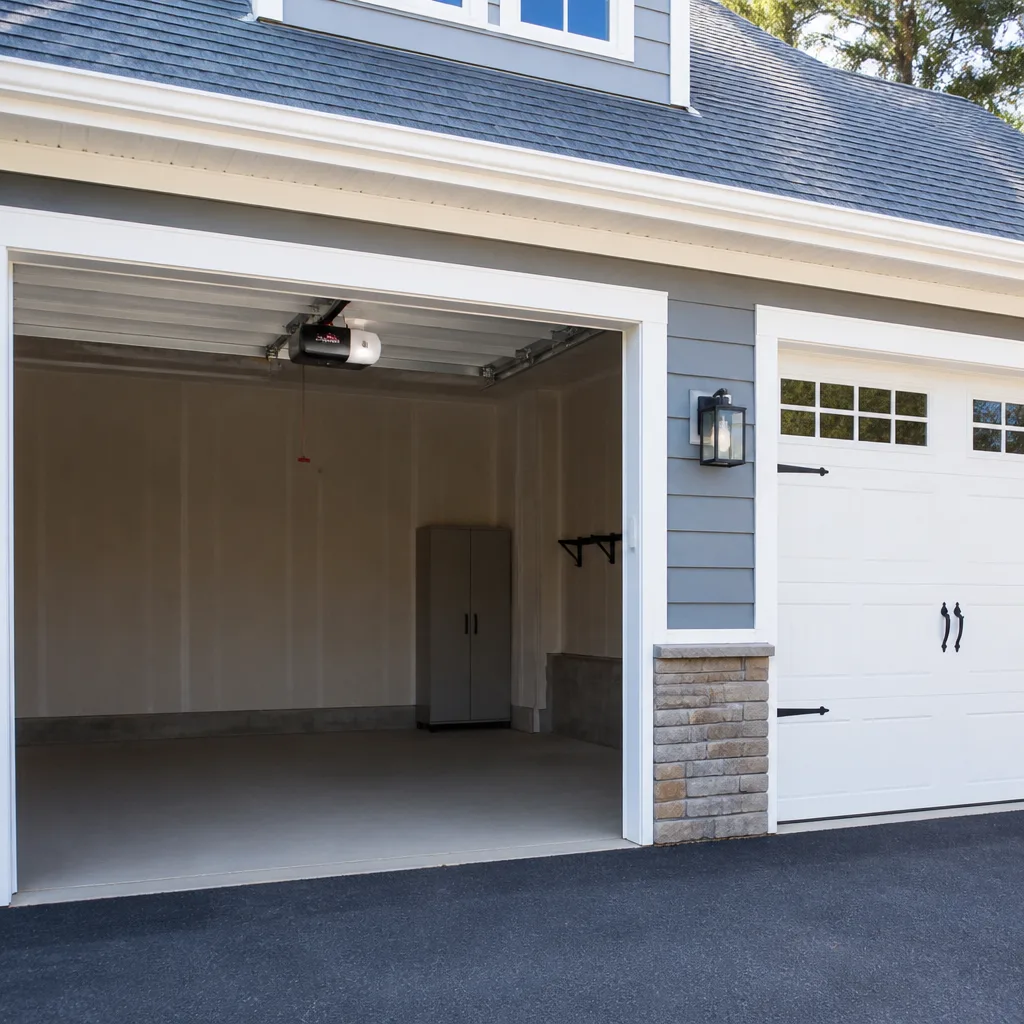 Chamberlain openers
Full 25-point door and opener safety check with every visit - springs, cables, rollers, tracks, and your LiftMaster or Chamberlain opener included
You get a price before we start. It does not change when the pro arrives.
Get your free estimateGarage Door Repair Maintenance Schedule: What to Do and When
Most maintenance guides tell you to book one annual tune-up and call it done. In Bellevue, that advice misses half the problem. Our wet winters and dry summers put two different kinds of stress on a garage door, months apart, and each one hits components the other leaves alone. A door tuned in June heads into the rainy season with dry, unprotected springs and hinges. This guide lays out a month-by-month schedule built around Bellevue’s actual weather patterns, from the condensation that forms inside attached garages every November through February to the dry stretch that loosens hardware in August. You’ll learn which component needs attention when, which lubricants survive a Pacific Northwest winter, and how a two-minute balance check can warn you about a spring months before it breaks.
Quick Answer
A garage door in Bellevue needs two full tune-ups a year, not one: a late-fall service in October or November to prepare for the wet season, and a late-spring service in May or June to catch damage from winter condensation and prepare for summer heat. Between those visits, monthly visual checks and a quarterly roller and track inspection keep small problems from turning into spring failures or opener burnout.
Styles & brands we work with
- Raised-panel steel
- Carriage house
- Modern flush
- Full-view glass
- LiftMaster openers
- Chamberlain openers
Table of Contents
- Why Bellevue’s Climate Demands a Different Schedule
- The Month-by-Month Maintenance Calendar
- Component-by-Component Service Intervals
- Which Lubricants Actually Work in Pacific Northwest Conditions
- The Two-Minute Balance Test That Predicts Spring Failure
- Monthly Checks You Can Do Yourself
- Maintenance That Voids Manufacturer Warranties
- Common Mistakes to Avoid
- When to Call a Professional
- Frequently Asked Questions
Why Bellevue’s Climate Demands a Different Schedule
The number-one reason garage door springs fail prematurely in the Eastside isn’t age. It’s surface rust from condensation that forms inside attached garages every November through February. Bellevue’s winters push warm, moist air against cold concrete and steel, and that moisture settles on the coils of a torsion spring, the hinges, and the bottom brackets. A spring lubricated in June with a light silicone spray has nothing left protecting it by December. That’s why the schedule in Bellevue has to be built around two distinct stress cycles, not a single annual visit.
The wet cycle runs roughly November through February. Condensation forms on cold metal, tiny rust pits begin on spring coils, and wood door panels and hinges swell slightly. Rollers can bind. The dry cycle runs July through September, when low humidity and daily temperature swings cause hardware to loosen and wood to shrink. Screws back out. Track brackets drift. Tracks can go slightly out of alignment, which makes the opener work harder.
Between those two extremes sit the shoulder months, when the door transitions. Bellevue’s mix of older homes in neighborhoods like Crossroads and newer construction in the Issaquah and Sammamish direction means we see everything from 1990s builder-grade doors to recent Clopay and Amarr installs. Each responds a little differently, but the seasonal stress pattern is the same. Plan your maintenance around the weather, and the hardware lasts longer.
The Month-by-Month Maintenance Calendar
Here’s how a full year of garage door care looks in Bellevue. This is a general guide, not a rigid rule; your door’s age and brand may shift timing by a few weeks.
- January: Inspect springs for rust bloom after the wettest stretch. Wipe condensation-prone hardware. Listen for squeaks on opening.
- February: Check the weather seal along the bottom for water intrusion and cracking. Tighten any loose hinge screws.
- March: Visual check of cables for fraying. Test the opener’s safety reverse function. Note any change in door speed.
- April: Clean and inspect tracks for debris washed in during winter. Check roller wear.
- May: Full spring tune-up: lubricate springs, hinges, rollers, and bearings with a proper garage door lubricant. This is your pre-summer service.
- June: Test the balance of the door (see the section below). Run the opener through a full cycle and note any hesitation.
- July: Check hardware torque: screws and bolts loosen in dry heat. Inspect the door panels for cracks or shifting.
- August: Repeat the balance test. Inspect cables again. Watch for the track shifting out of alignment.
- September: Replace any weatherstripping that dried and cracked over summer. Clean the tracks.
- October: Full fall tune-up: lubricate all moving parts, tighten hardware, and inspect springs for the start of rust. This is the most important service of the year in Bellevue.
- November: Check for condensation inside the garage. Make sure the bottom seal still sits snug against the floor.
- December: Listen for new noises. Any grinding or popping warrants a closer look, not a wait-and-see.
Two full tune-ups (May and October) plus monthly visual checks cover almost everything. The rest is catching small changes before they compound.
Component-by-Component Service Intervals
Not every part needs the same attention. Here’s a plain breakdown of what to touch and how often, with the reasoning behind each interval.
- Rollers: Inspect quarterly, replace when worn. Rollers take constant friction and are the cheapest part to replace early. Nylon rollers last longer than steel, but both wear with the number of cycles, not the calendar alone.
- Springs: Lubricate twice a year (spring and fall). Springs are under extreme tension and are the hardest-working metal on the door. Lubrication slows the rust that pits the coils. But springs are also a safety-critical part: never adjust, remove, or replace them yourself.
- Cables: Inspect every service visit and replace at the first sign of fraying. Cables carry the door’s weight alongside the springs, and a frayed cable can snap without warning.
- Hinges: Lubricate twice yearly, tighten quarterly. Hinges wear from repeated opening and closing and from moisture.
- Track: Clean and inspect quarterly. Tracks collect debris and can drift out of alignment, which stresses the opener and rollers.
- Weather seal: Inspect in spring and fall, replace when cracked or compressed. This part keeps water and cold air out of the garage.
- Opener: Test safety reverse monthly, service the drive mechanism once a year. The opener motor and drive components take less daily wear than the door itself but still need attention.
The differences matter. Rollers take constant friction and need frequent checks. Springs take steady static tension and mostly need rust protection. Treating them the same wastes effort and misses the real risks.
Which Lubricants Actually Work in Pacific Northwest Conditions
This is where a lot of self-maintenance goes wrong. The wrong lubricant is worse than none in Bellevue’s climate.
Avoid light silicone sprays and general-purpose oils. Silicone sprays go on thin and look fine, but they wash off or evaporate within weeks in a wet, cool garage. Standard oils attract dust, which then turns into a gritty paste that grinds down hinges and rollers.
Avoid lithium grease in cold weather. Lithium grease thickens noticeably in cold temperatures. In a Bellevue garage that hovers near freezing through winter, thickened grease slows the door and can leave the opener straining against resistance.
What works: A garage-door-specific spray lubricant or a light white grease designed for door hardware. These stay put through moisture and stay fluid in cold. Apply them to springs, hinges, rollers, and the opener’s chain or screw drive, per the manufacturer’s recommendations. Use them sparingly; a thin coat is enough, and too much collects dust.
For doors and openers from makers like Chamberlain, LiftMaster, Clopay, and Amarr, the owner’s manual usually names the recommended lubricant. Follow it. For older Craftsman and Genie setups, the same rule applies. When in doubt, a garage-door-specific lubricant is the safe choice.
The Two-Minute Balance Test That Predicts Spring Failure
You can check your door’s balance in under two minutes, and it tells you a lot about the health of your springs. Do this test with the opener disconnected, after the door has been closed, and stand clear of the moving door. Never put your hands near the springs or cables during this check.
- Pull the manual release cord to disconnect the opener from the door.
- Lift the door by hand to about waist height.
- Let go and watch.
- A balanced door stays put or drifts slowly. A door that falls quickly, or needs real effort to lift, has lost spring tension or balance.
- Raise the door to the top and lower it slowly by hand to confirm it moves without catching or grinding.
A door that won’t hold position is telling you the springs are losing tension. That’s a warning you can act on before a spring snaps at an inconvenient moment. Because springs are under enormous tension, the balance test is where your inspection stops. Adjustment and replacement are a job for a trained technician, and the balance test is how you catch trouble early enough to schedule a garage door repair before the door fails completely.
Monthly Checks You Can Do Yourself
These are small tasks that catch problems early. None of them put your hands near springs or cables.
- Listen: A door that’s been quiet and starts squeaking or grinding is telling you something. Note where the sound comes from.
- Look at the weather seal: A cracked or compressed seal lets water and cold air in. Replace it when it stops sitting flush against the floor.
- Test the safety reverse: Place a small object in the door’s path and confirm the door reverses on contact. Do this monthly, per most opener manufacturer instructions.
- Check the tracks: Look for dents, debris, or obvious misalignment. Small debris can be cleared; bent track needs a technician.
- Feel for loose hardware: Gently check visible screws and bolts by hand. Snug is fine; over-tightening strips threads.
- Watch the opener light: A blinking error light on a Chamberlain or LiftMaster unit often points to a specific issue worth diagnosing by brand.
When a check turns up something you can’t safely resolve, that’s the moment to call rather than the moment to improvise. We work on the brand you already own, and diagnosing by brand behavior saves guesswork. If the problem is in the opener itself, our garage door opener repair handles the drive system; if it’s the door and hardware, the mechanical side is covered under one call.
Maintenance That Voids Manufacturer Warranties
Some maintenance tasks can void the manufacturer’s warranty on your opener or door, and it’s worth knowing which ones, especially for the Chamberlain and LiftMaster models common in Bellevue homes.
Do not force or lubricate the opener’s internal gears or motor housing. Many opener warranties exclude damage from improper lubrication or disassembly. The drive chain or belt gets lubricated per the manual; the internal gears don’t. Opening the housing to “fix” a squeak often voids coverage.
Do not use grease or oil on a belt-drive opener’s belt. Belt drives are designed to run dry. Greasing a belt can cause slipping, and some manufacturers treat that as user-caused damage.
Do not alter the door’s spring system or change the door’s weight without matching opener adjustments. If a new panel changes the door’s weight, the opener’s force settings and the spring system both need to match. Mismatched adjustments can void coverage and put strain on the motor.
Do not rewire or bypass safety sensors. Bypassing the sensor circuit is a warranty problem and a safety problem. Sensors are there so the door reverses on contact.
For Clopay, Amarr, Wayne Dalton, Craftsman, and Genie systems, the manual states the limits of owner maintenance. When in doubt, have a technician handle it. Our garage door repair pros are trained on all eight major brands, and we keep warranty terms in mind during every service.
Common Mistakes to Avoid
- Booking one annual tune-up instead of two. In Bellevue, a single visit leaves the door exposed to whichever season wasn’t covered. The fall tune-up matters most, because it’s the last chance to protect springs before the wet months.
- Using a light silicone spray on springs. It looks protected and washes off within weeks in a damp garage. Use a garage-door-specific lubricant that survives moisture.
- Ignoring rust on spring coils. Surface rust is the first stage of the pitting that leads to failure. Catch it early with lubrication and a professional inspection.
- Assuming a noisy door is normal. A door that’s been quiet and starts grinding is often telling you a roller or hinge is failing. Ignoring it can wear the opener’s drive mechanism.
- Over-tightening hardware. In dry summer heat, screws loosen; the temptation is to crank them down hard. That strips threads and can crack wood panels. Snug is enough.
- Trying spring or cable work yourself. Springs and cables are under extreme tension and can cause serious injury. This is a job for a trained technician, not a weekend project.
- Skipping the balance test. Two minutes of checking can reveal a failing spring months in advance, saving you from a door that quits working at the worst possible time.
When to Call a Professional
Some situations call for a technician rather than a checklist. Call us if a spring makes a sharp pop, if the door comes down hard or won’t stay up, if a cable looks frayed or has come loose, or if the door is visibly crooked or off its tracks. If the opener strains, hums without moving the door, or reverses on its own, that’s a diagnosis job, not a maintenance task. And if the balance test shows the door won’t hold position, the springs need professional attention before anything else.
Bellevue Garage Door Repair Pros offers free estimates in Bellevue. Call (866) 937-9023. We answer 24/7 with fast dispatch from 7am to 7pm, Sunday through Friday. When the door won’t move, we move fast, and one call covers both the door and the opener.
Frequently Asked Questions
Twice a year: a fall tune-up in October or November and a spring tune-up in May or June. Bellevue’s wet winters and dry summers each stress different components, so a single annual visit leaves half the year uncovered. Call (866) 937-9023 for an exact quote; estimates are free.
You can apply a garage-door-specific lubricant to the spring coils yourself, but never adjust, remove, or replace them. Springs are under extreme tension and can cause serious injury. If the balance test shows the door won’t hold position, call (866) 937-9023 for a technician.
A garage-door-specific spray lubricant or light white grease designed for door hardware. Avoid light silicone sprays that wash off and lithium grease that thickens in cold weather. Follow the recommendations in your opener’s manual, especially for Chamberlain and LiftMaster models.
The two-minute balance test is the best early warning. Disconnect the opener, lift the door to waist height, and let go. A door that falls quickly or needs real effort to lift has lost spring tension. That’s a sign to schedule service before the spring breaks, so call (866) 937-9023 for a free estimate.
Only improper maintenance does. Opening the motor housing, greasing a belt drive, bypassing safety sensors, or changing door weight without matching adjustments can void coverage on Chamberlain and LiftMaster units and others. Follow the manual and let a technician handle anything beyond basic cleaning and lubrication.
Monthly visual checks, listening for new noises, testing the safety reverse, wiping condensation-prone hardware, and the balance test are all safe for a homeowner. Anything involving springs, cables, opener internals, or bent track should go to a technician. For the full system, call (866) 937-9023.
The Bottom Line
The right maintenance schedule in Bellevue isn’t a single annual tune-up. It’s two full services a year built around the two seasonal stress cycles, one to protect springs and hardware before the wet winter, the other to catch condensation damage and prepare for dry summer heat. Add monthly visual checks, a quarterly roller and track look, the right lubricant for a damp climate, and the two-minute balance test, and you’ll catch most problems months before they become a spring failure or a dead opener. When a spring pops, a cable frays, or the balance test comes back wrong, that’s the time to call a technician rather than push through. To plan the next service on your door, visit Bellevue Garage Door Repair Pros, or for a new door, see garage door installation.
Call (866) 937-9023 for a free estimate. We answer 24/7. Fast dispatch from 7am to 7pm, Sunday through Friday. Our technicians have up to 11 years of experience, and the local pro is licensed and insured as their state requires. The price is quoted and agreed before any work starts, so you know the cost before a tool comes off the truck.
Written by the team at Bellevue Garage Door Repair Pros.
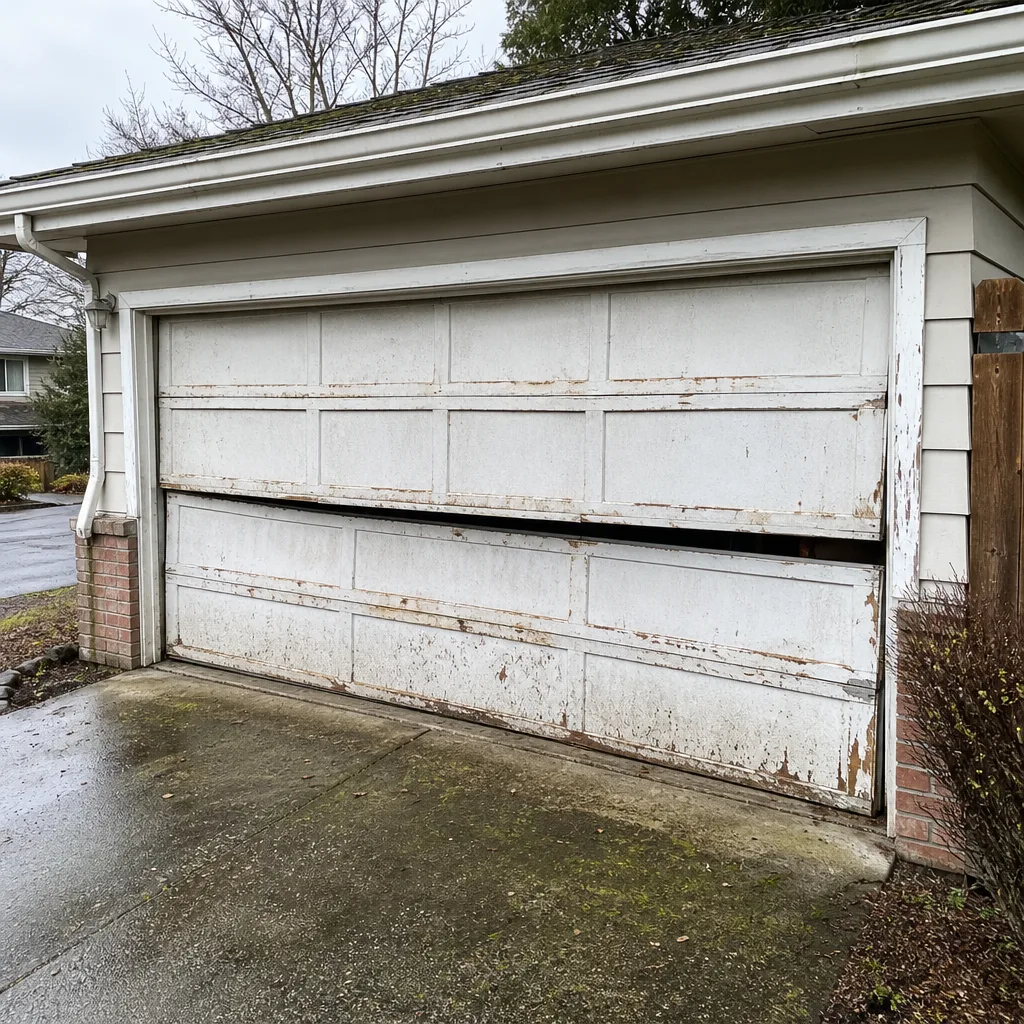
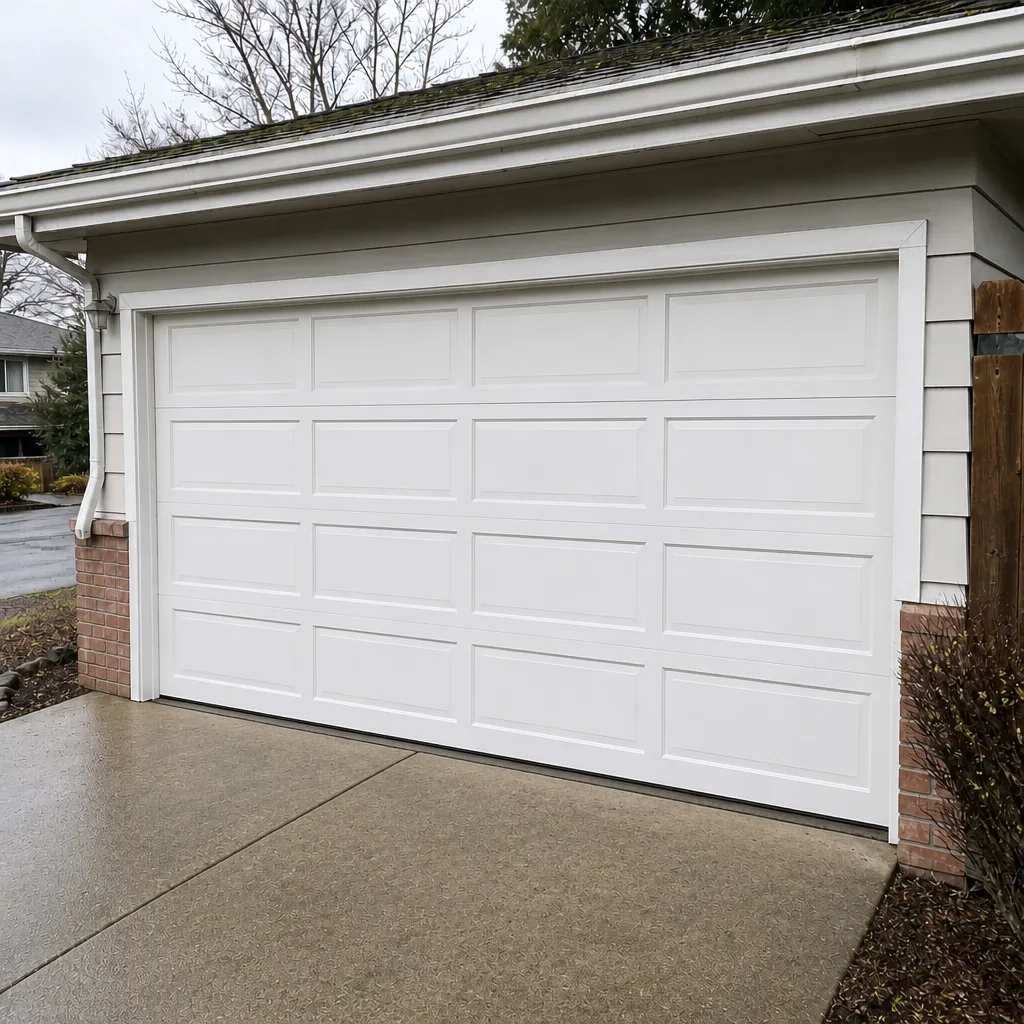
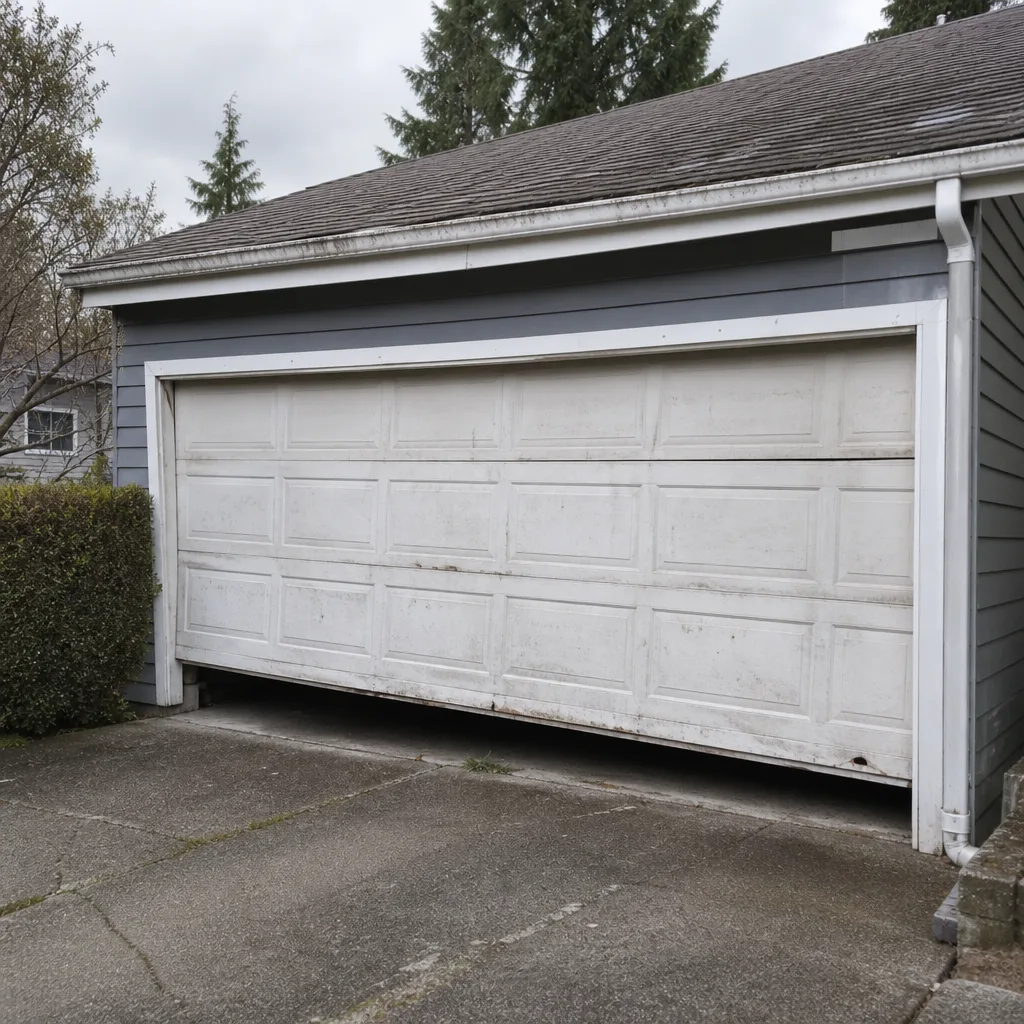
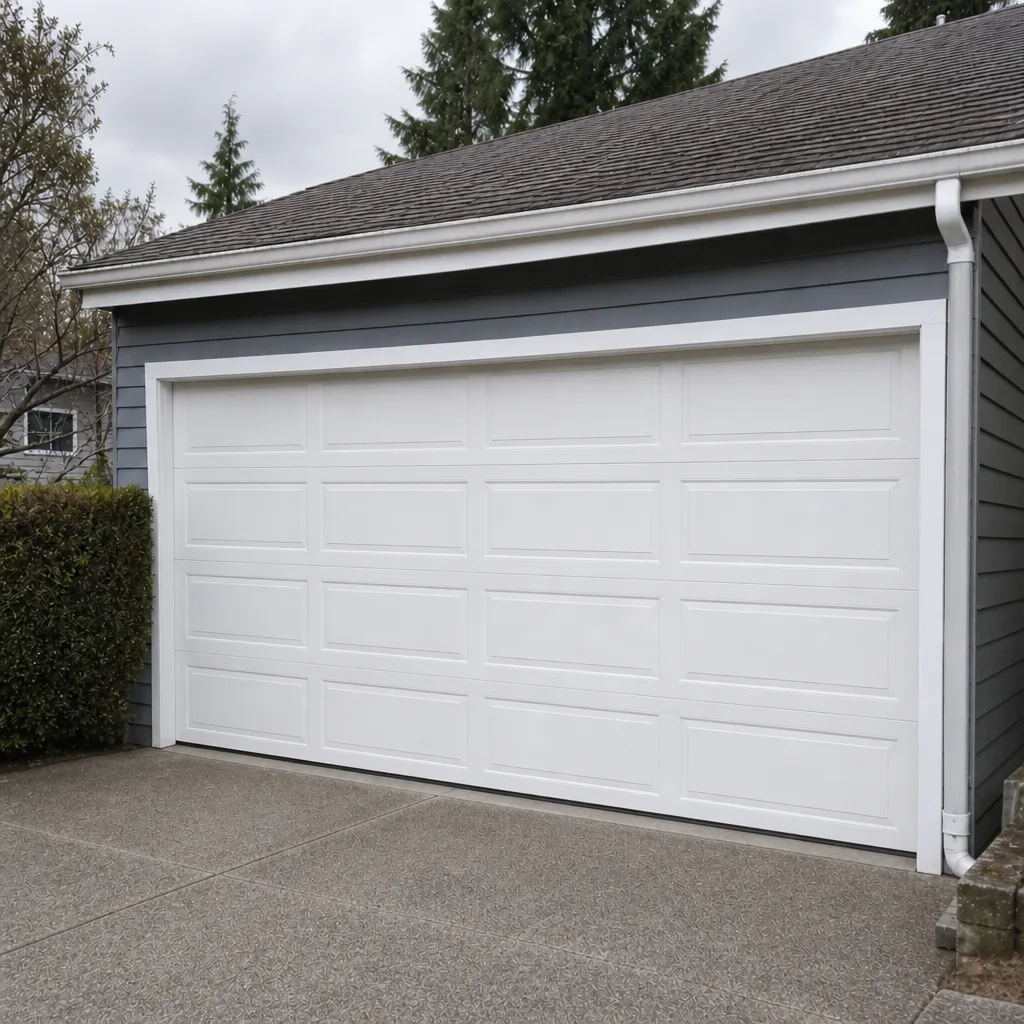
See the difference
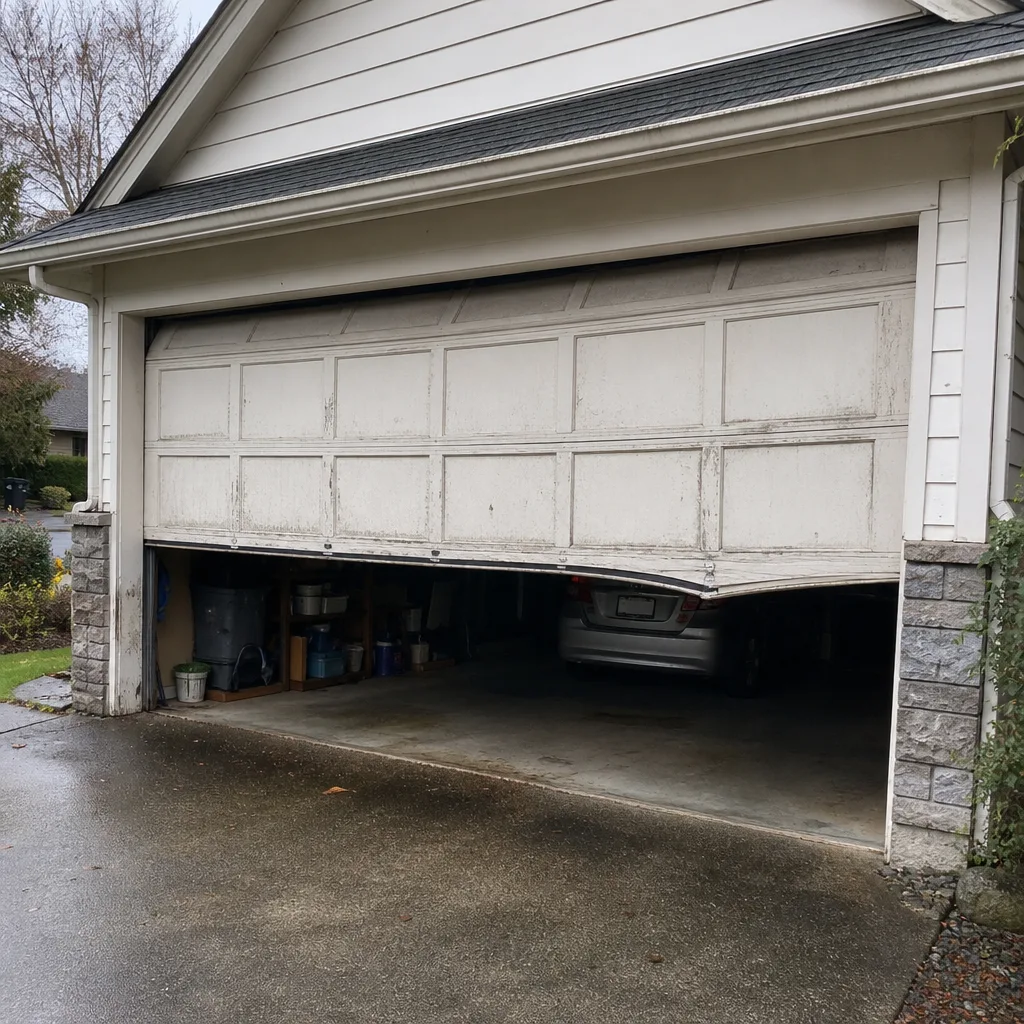 Before
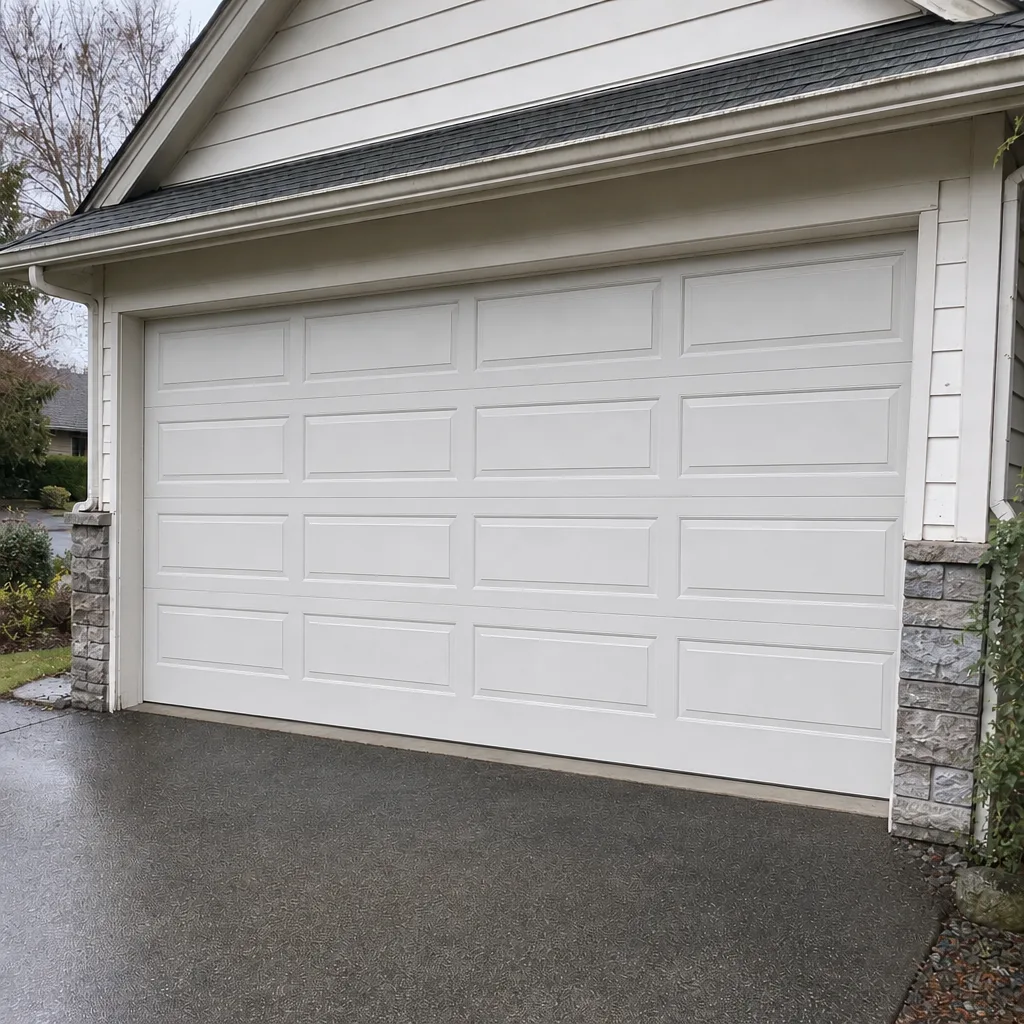 After
 Before
 After
 Before
 After