
Last updated November 23, 2026
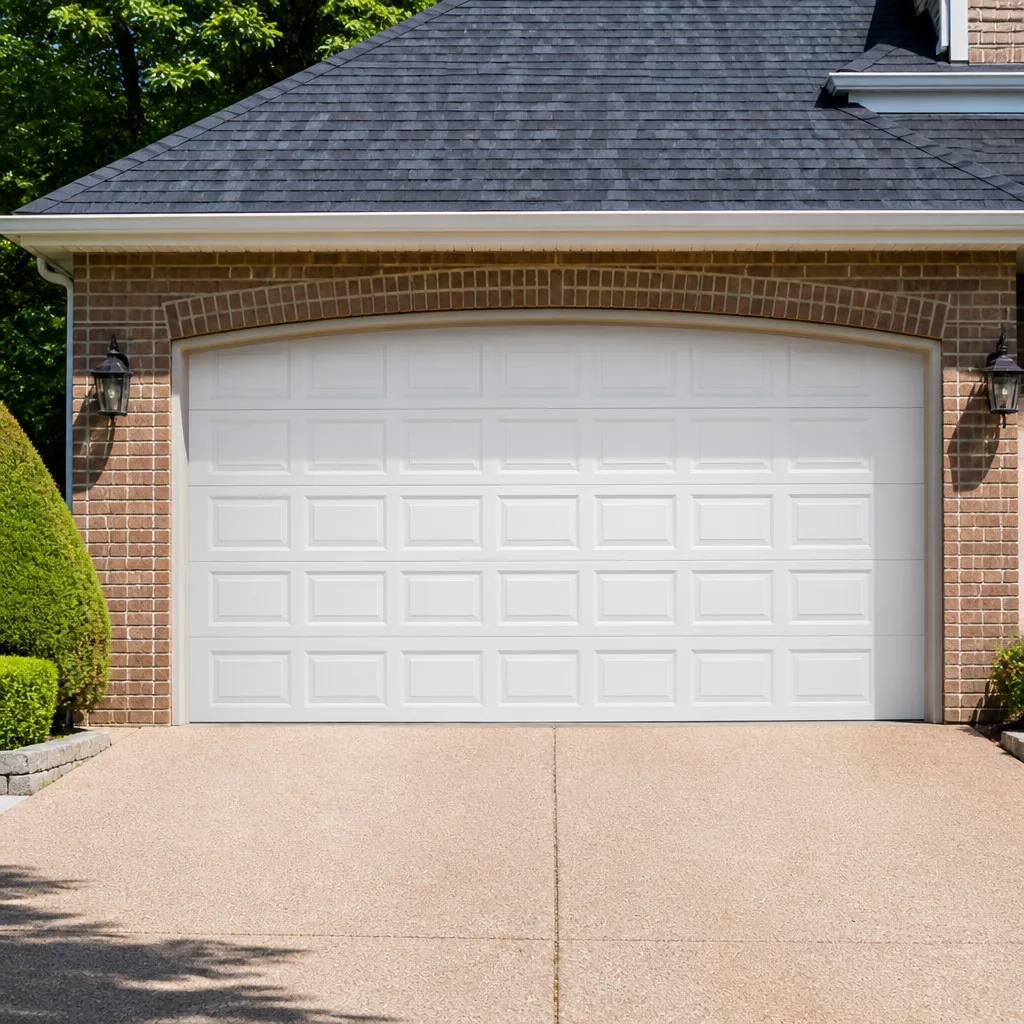 Raised-panel steel
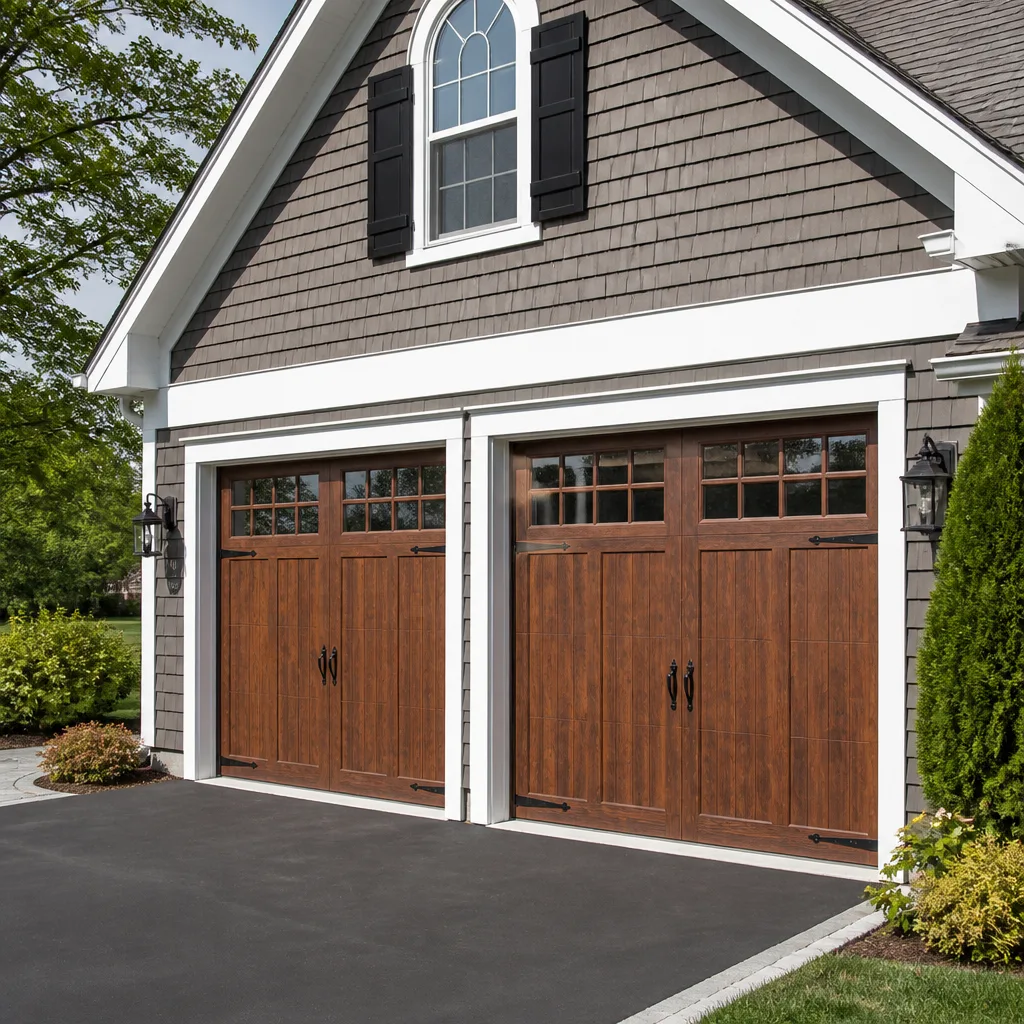 Carriage house
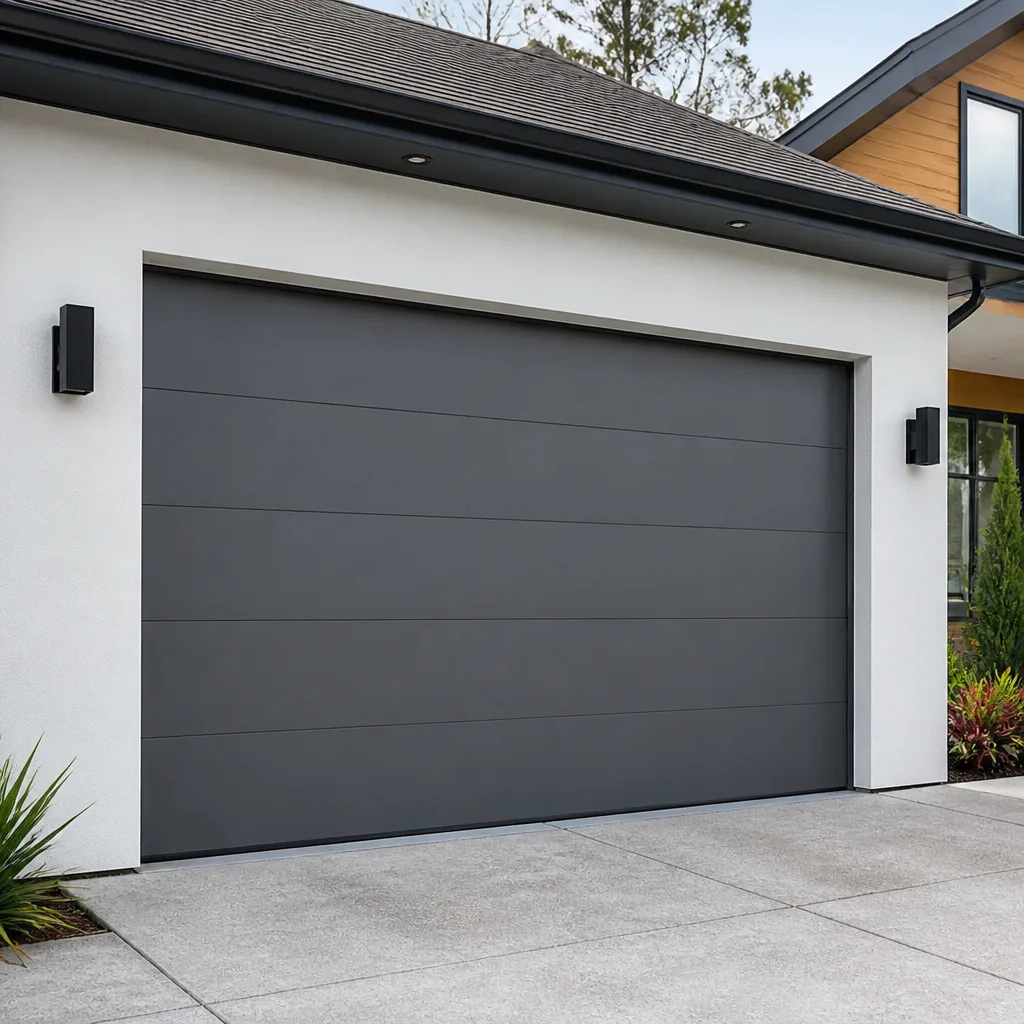 Modern flush
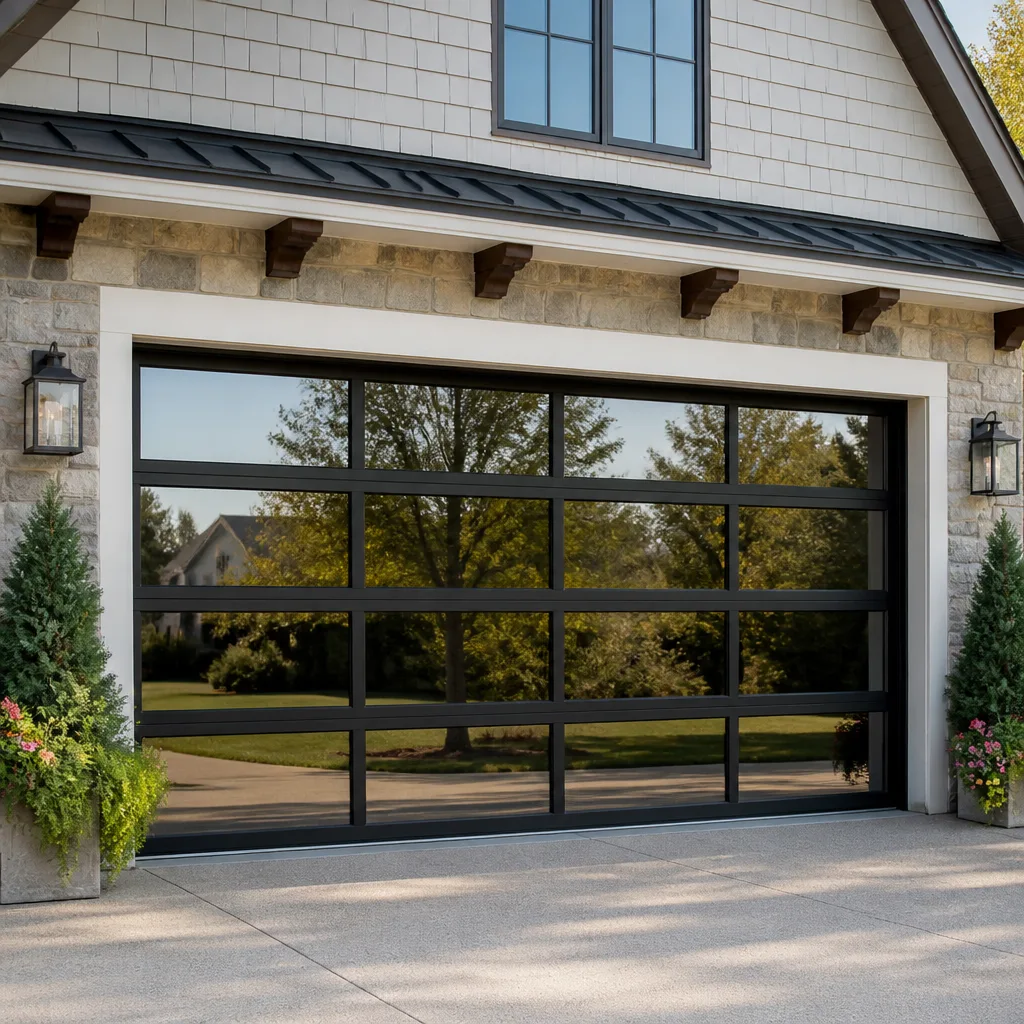 Full-view glass
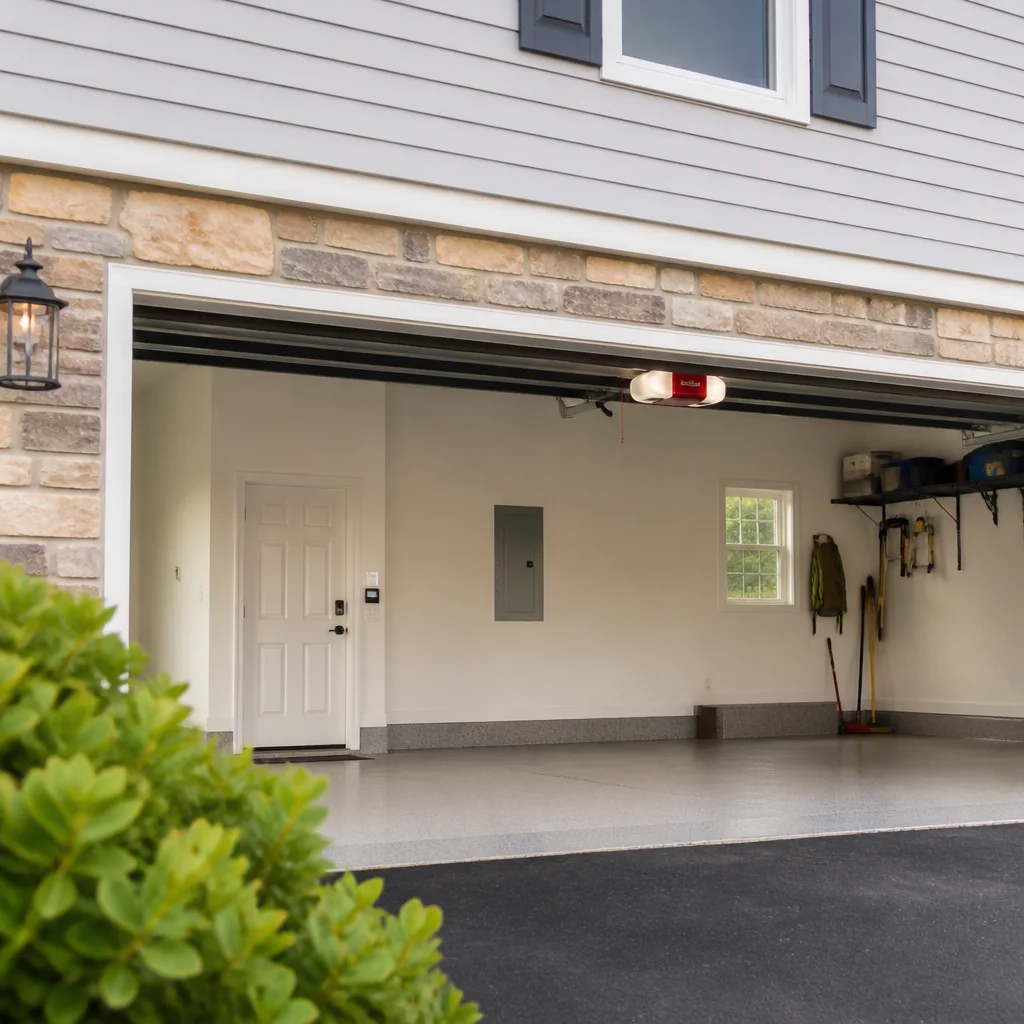 LiftMaster openers
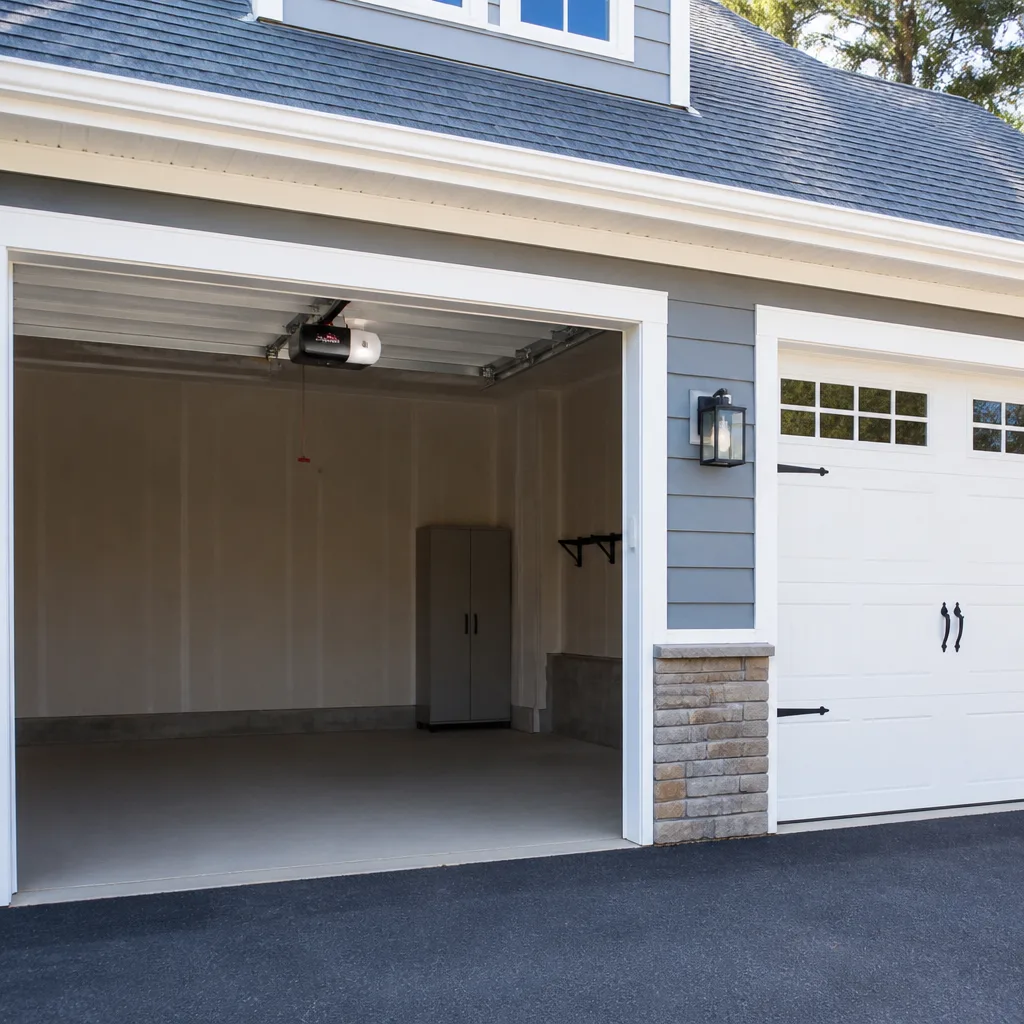 Chamberlain openers
Full 25-point door and opener safety check with every visit - springs, cables, rollers, tracks, and your LiftMaster or Chamberlain opener included
You get a price before we start. It does not change when the pro arrives.
Get your free estimateHow to Hire a Garage Door Contractor in Bellevue: A Step-by-Step Guide
Washington State doesn’t require a specialty license to replace a torsion spring. That means the person who shows up to work on a 150-pound steel door wound under hundreds of foot-pounds of stored torque may hold nothing more than a general contractor’s card, no different from the one held by a deck builder. Nothing on most review platforms reveals the difference. This guide is our attempt to close that gap for Bellevue homeowners: the exact questions to ask, the verification steps that actually mean something, and the quote red flags worth walking away from.
Quick Answer
Hiring a garage door contractor in Bellevue means verifying three things before anyone touches the door: that the business holds a valid Washington State contractor registration (check it yourself on the state’s lookup), that the technician is trained on your specific door and opener brand rather than claiming to “work on all brands,” and that you receive a written estimate itemizing parts, labor, and warranty before work begins. Ask for brand-specific experience, check reviews for repeat service calls, and never accept a quote that names a price without naming the spring cycle rating.
Styles & brands we work with
- Raised-panel steel
- Carriage house
- Modern flush
- Full-view glass
- LiftMaster openers
- Chamberlain openers
Table of Contents
- What Washington’s contractor licensing actually covers for garage door work
- How to verify a contractor before you book
- Why brand-specific training matters more than a “we work on all brands” claim
- How to read a garage door quote in Bellevue
- How to read Bellevue reviews for what actually matters
- The right scope of work to demand in writing
- Why springs are their own category of hire
- Common mistakes to avoid
- When to call a professional
What Washington’s Contractor Licensing Actually Covers for Garage Door Work
Washington requires anyone performing construction or repair work for compensation to register with the Department of Labor & Industries as a contractor. Registration requires a bond, liability insurance, and a unified business identifier. What it does not require is a garage door specialty certification. There is no state-issued “garage door license” in Washington, and any contractor who tells you otherwise is either misinformed or counting on you not to check.
What this means in practice: a registered general contractor is legally allowed to replace your torsion springs, install your opener, and adjust your tracks. That’s the ceiling of what the state guarantees. The floor, the part that determines whether the job is done well, is entirely on the homeowner to assess. In a market like Bellevue, where the housing stock runs from 1960s ramblers in Lake Hills to newer construction in the Spring District and Crossroads, a generalist can get away with a lot of mistakes because most homeowners never learn what a properly balanced door feels like.
So what should you actually verify?
- Active contractor registration. Look up the business name on the state’s contractor verification tool before you book. Expired registration is common and it’s the one thing you can check in two minutes.
- Liability insurance and workers’ comp. Ask for a certificate of insurance. If the technician is injured in your garage, the wrong insurance situation becomes your problem.
- Brand-specific training documentation. LiftMaster, Chamberlain, and Clopay all run dealer and installer training programs. A technician who has completed them can tell you which one, and can tell you what changed between model generations.
- A written warranty on parts and labor. This is where generalists often go quiet. Ask for it in writing before work begins.
If you want to skip the verification process for a smaller repair and work with a team that already holds the brand knowledge, our garage door repair service is set up around exactly the checks described here. But even if you hire someone else, run the four checks above. They take ten minutes and prevent most of the headaches we hear about from Bellevue homeowners after the fact.
How to Verify a Contractor Before You Book
Verification is a sequence, not a vibe. Here’s the order that works, in the order that saves you the most time if something is wrong:
- Look up contractor registration. Search the business name on Washington’s Labor & Industries contractor lookup. Confirm the registration is active, not expired, not suspended. Note the business name on the registration; if it doesn’t match the name on the website or the name on the estimate, ask why.
- Request a certificate of insurance. A legitimate operation can email one the same day. “We’ll get it to you” is not an answer; a PDF attached to a reply is.
- Ask which brands the technician is trained on. Listen for specific model families. Someone trained on LiftMaster can talk about the difference between a belt drive and a jackshaft opener for a low-clearance garage; someone guessing will pivot to “we work on everything.”
- Ask what the estimate will include. If the answer is “it depends,” that’s fine; costs really do depend on the door. But the answer should be a list of line items, not a round number.
- Check the address of the business on the estimate. A valid Washington registration and a local mailing address don’t prove quality, but they narrow the field considerably, especially for garage door opener repair where the technician will be inside your home or garage.
- Read the last six months of reviews. Not the star average. The recent ones, sorted by newest, looking for the specific patterns described further down this guide.
Six steps. About twenty minutes. This is the shortest path from “we have a problem with the door” to “we hired someone we can trust with the door.”
Why Brand-Specific Training Matters More Than “We Work on All Brands”
Every garage door company says it works on all brands. That statement is technically true and practically useless. What separates a specialist from a generalist is whether the technician knows how a specific brand behaves when it fails, not whether they’re willing to take the job. A LiftMaster opener with a failing logic board shows different symptoms than a Chamberlain with the same fault, even though they’re built on related platforms. A Clopay door with a broken bottom bracket will hang differently than a Raynor with the same break.
Our technicians have up to 11 years of experience and are trained on eight of the most common residential brands in the Puget Sound market: LiftMaster, Chamberlain, Genie, Clopay, Amarr, Wayne Dalton, Craftsman, and Raynor. That matters because it changes the diagnostic conversation. Instead of “the opener is probably dead, let’s replace it,” you get “the wall control went bad on this LiftMaster chamber, we can replace the control and test the logic board before we talk about a new unit.” Different conversation. Different cost. Different outcome.
Here are the brand-specific questions worth asking any contractor you’re considering:
- “Which opener brands do you stock parts for, and which do you have to order?” A brand-specific answer tells you how prepared they are for same-day work. A shrug tells you they order everything.
- “Which door brands do you install, and which do you only repair?” Some contractors handle repair on any door but install only two brands. That’s a useful answer.
- “Can you tell me what changed between the last two generations of my opener?” If they can, they know the equipment. If they can’t, they know the equipment exists.
- “Have you worked on a Clopay Avante, an Amarr Classica, or a Wayne Dalton 9100?” Pick one that matches your door. Specific model familiarity is a much stronger signal than brand familiarity.
Each of these questions has a narrow window of answers that sound confident and informed. The rest is noise.
How to Read a Garage Door Quote in Bellevue
A garage door quote is only useful if it itemizes four things: parts, labor, warranty, and disposal. A quote that gives you one number tells you nothing about which of those four items you’re paying for, and that’s exactly how “the price went up once we saw the door” happens. Here’s what to look for in each line.
Parts line items
Springs should be quoted with a cycle rating. Springs are measured by how many cycles (one open and close) they’ll handle before failing; standard springs are rated around 10,000 cycles, high-cycle springs typically 25,000 and up. A cheap spring quote usually reflects a low-cycle rating. Ask specifically: “What cycle rating is this spring?” If the answer is vague, assume the lowest available.
Openers should be quoted by model, not by “an opener.” LiftMaster, Chamberlain, and Genie all make several tiers, and the model number tells you the drive type, the horsepower, and the connectivity. A quote that says “new opener” without a model number is a quote you can’t compare against anything.
Labor line items
Labor should be a flat charge or an hourly rate with an estimated number of hours. “Labor included” without a number is a phrase that only appears on invoices after the fact. If the contractor can’t tell you how long a spring replacement or opener install should take, they haven’t done enough of them.
Warranty line items
Parts warranty comes from the manufacturer on most products, typically one to five years depending on the item. Labor warranty is the contractor’s promise and it should be in the estimate. Ask for the warranty terms in writing before the work begins. A verbal “we stand behind our work” is a sentiment, not a warranty.
Disposal line items
Old doors, old springs, old openers, and old track hardware have to go somewhere. If the quote doesn’t say whether removal and disposal are included, assume they’re extra and ask for the number. This detail alone catches otherwise careful homeowners off guard.
Typical Bellevue cost ranges
For context: most Bellevue spring replacements land somewhere in the range you’d expect for a major metro with a competitive contractor market, and door installation costs scale steeply with door size, insulation, and drive type. We don’t publish a price list because every job is priced on its own merits, but a written estimate with all four line items above is the way to compare any two quotes fairly. Our garage door installation service always starts with a free on-site measure and a written quote, and we’d recommend insisting on the same from any contractor you’re considering.
How to Read Bellevue Reviews for What Actually Matters
Star ratings are the least informative part of a review. A four-star average with rising trend and a lot of detail is more useful than a five-star average with nothing but “great service” phrases pasted across different names. Here’s what to actually look for.
- Repeat service calls. Scan for reviews that mention coming back after a job. A contractor who returns to fix their own installation is a contractor who stands behind the work. A contractor with a quiet pattern of installation problems is a contractor whose door will need a different contractor to fix it later.
- Installation-specific reviews. Sort for the words “installed,” “new door,” and “opener.” Installation quality is the hidden review category; you’ll see it in reviews months or years after the install, when the door starts sagging or the opener’s safety reverses stop working.
- Response to bad reviews. How a business responds to a one- or two-star review tells you whether they treat the customer as a person or as a complaint. Bellevue is small enough that the same names come up. Read the responses.
- Neighborhood specificity. Reviews that mention an area of Bellevue (Lake Hills, Crossroads, West Bellevue, the Spring District, Somerset, the Newport Hills area, Northtowne) are usually real. Reviews with no local detail whatsoever might be real too, but they carry less weight.
- What’s missing. A company with 80 reviews all dated in the last six weeks, all with similar language, is telling you something. So is a company with 200 reviews accumulated over several years and none of them mentioning installation.
Five minutes of reading reviews this way tells you more than an hour of reading the ones pushed to the top of the page. If you’re doing this on a smaller repair, our Bellevue garage door service page is the place to start with us; if you’re doing it for a replacement, run the review checks before you call anyone.
The Right Scope of Work to Demand in Writing
Most garage door surprises we hear about come from a mismatch between what the homeowner thought they were buying and what the estimate actually covered. The fix is a written scope of work that anticipates the likely add-ons before the technician arrives. Below is the scope we’d recommend insisting on, from any contractor, in the estimate.
- The exact job description. “Replace torsion spring, left side” is a scope. “Fix spring” is not. The estimate should name the part, the side or size, and the cycle rating.
- The cables and drums. Springs and cables wear at the same rate, and springs almost always take cables with them. The estimate should state whether cables and drums are being replaced, and if not, the price to add them. This is the single most common mid-job cost surprise.
- The rollers and hinges. Nylon rollers, steel rollers, and hinges all wear together. If the estimate is replacing springs but not rollers, ask why and what they’d charge to bundle. The right answer is a number; the wrong answer is “we can look at it when we get there.”
- Balancing and safety testing. The estimate should say the door will be balanced (tests of force required to lift, reverse test on the opener, safety beam check). This is included on most quality scopes and absent on most cheap ones.
- Opener compatibility. If the springs are being replaced and the opener is more than a decade old, the estimate should confirm the opener will still lift the new door weight or recommend an upgrade. It should also state whether the opener’s safety reverse was tested post-install.
- Warranty terms. Parts warranty and labor warranty should be written separately. Both should have a duration. Neither should be verbal.
- Disposal. Include the removal of the old parts and old door in the estimate. “Included” or a specific number; not “we’ll figure it out.”
A written estimate that covers all seven takes about the same time to put together as one that covers two. The difference is how much of the job you can audit before the technician starts, and how little room there is for the invoice to differ from the quote. Ours always works this way, and we’d encourage you to expect it from any contractor working on a door in Bellevue.
Why Springs Are Their Own Category of Hire
Torsion springs are the most dangerous component in a residential garage door. They store energy when wound and release it suddenly when they fail. The number of serious injuries from garage door springs each year is a real number, and it lines up almost entirely with DIY work and untrained generalists. This is not a component to hire out on a low bid.
If your door has a broken spring, here is what a professional scope looks like, and what to ask any contractor:
- Both springs, not one. Springs are installed as a matched pair and wear at the same rate. Replacing one and leaving the other in place almost always means the second fails within a short window, and you pay for the visit twice.
- Cycle rating in the quote. Standard versus high-cycle. It’s a real difference in lifespan and it’s the first thing a cheap quote cuts.
- Spring wind direction and size on the estimate. A trained technician measures the wire gauge, the inside diameter, and the length, and orders the matching spring. A generalist uses whatever’s in the box.
- Safety check after the install. Balancing the door, testing the opener’s auto-reverse, and checking the safety beam. This should be on the estimate, not “done at the end.”
We treat spring work as its own discipline because the failure mode is unlike anything else on a door. If you’re not sure whether a spring is the problem, the tell is usually that the door won’t lift, hangs heavy, or the opener hums without moving. None of those are things to investigate by hand. Call a professional and keep your distance from the torsion bar.
Common Mistakes to Avoid
- Hiring on price alone without checking the spring cycle rating. The cheapest quotes almost always reflect standard-cycle springs. You’ll pay again sooner. Ask for the spec before you accept the price.
- Accepting a verbal estimate. Garage door work is not the trade for “we’ll work it out when we get there.” Anything not in the written estimate is a number you’ll be discussing after the work is done, and you’ll be discussing it at the contractor’s convenience, not yours.
- Confusing a general contractor’s card for a specialty credential. Washington doesn’t issue a garage door specialty license. Any contractor who implies otherwise is worth a second look before you hire.
- Overlooking the disposal line in the estimate. Old doors, springs, and openers don’t disappear. If removal isn’t in the quote, it isn’t in the price, and it will appear as an add-on.
- Never verifying the contractor registration. The state lookup takes thirty seconds. In a market as busy as the Bellevue area, expired registrations happen, and the cost when something goes wrong lands on the homeowner.
- Under-scoping the install or the repair. The most expensive garage door jobs we hear about are the ones that skimped on rollers, cables, and hardware to save a bundle, and had to redo the work inside a year. Springs and cables are matched components. Don’t replace one without discussing the other.
- Reading only the top reviews. Sort by newest, scan for installation-related detail and repeat visits, and read the responses to bad reviews. The averaged star number is the least informative part of the page.
See the difference
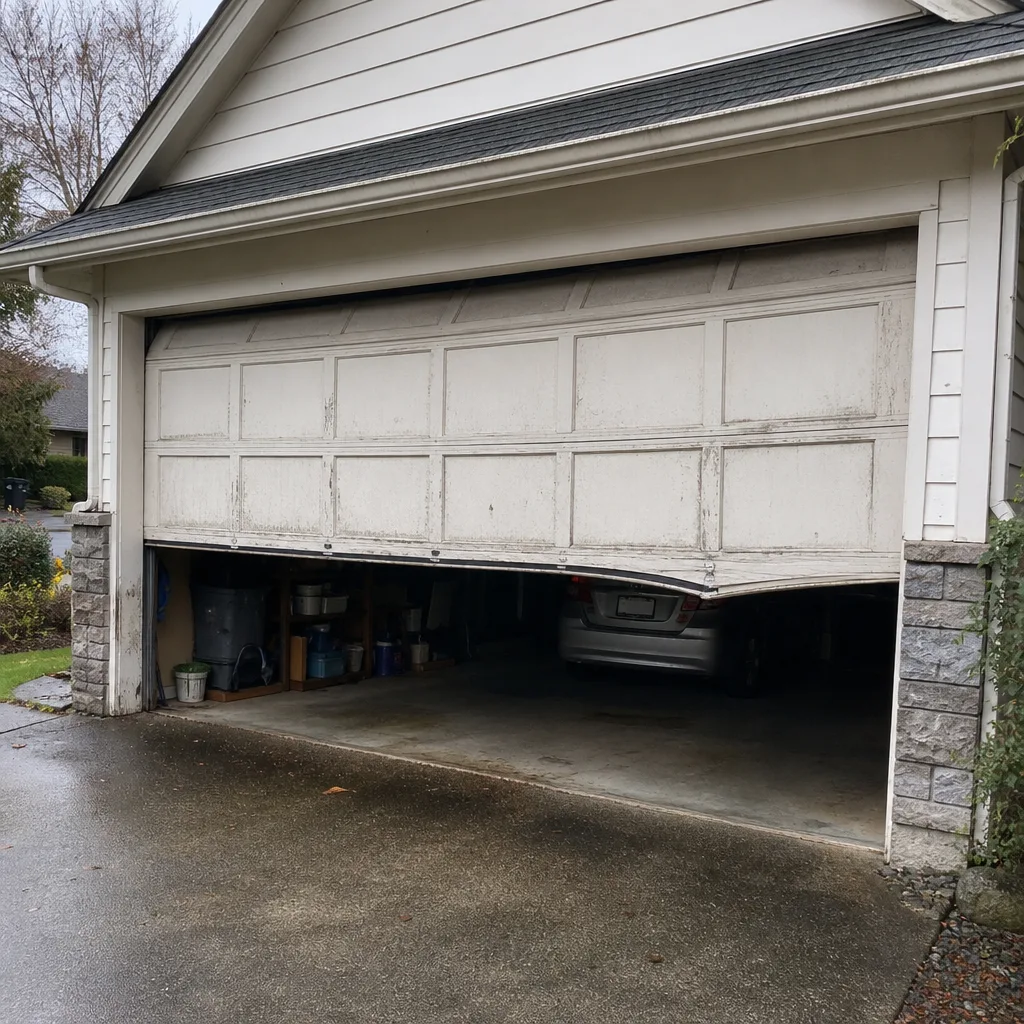 Before
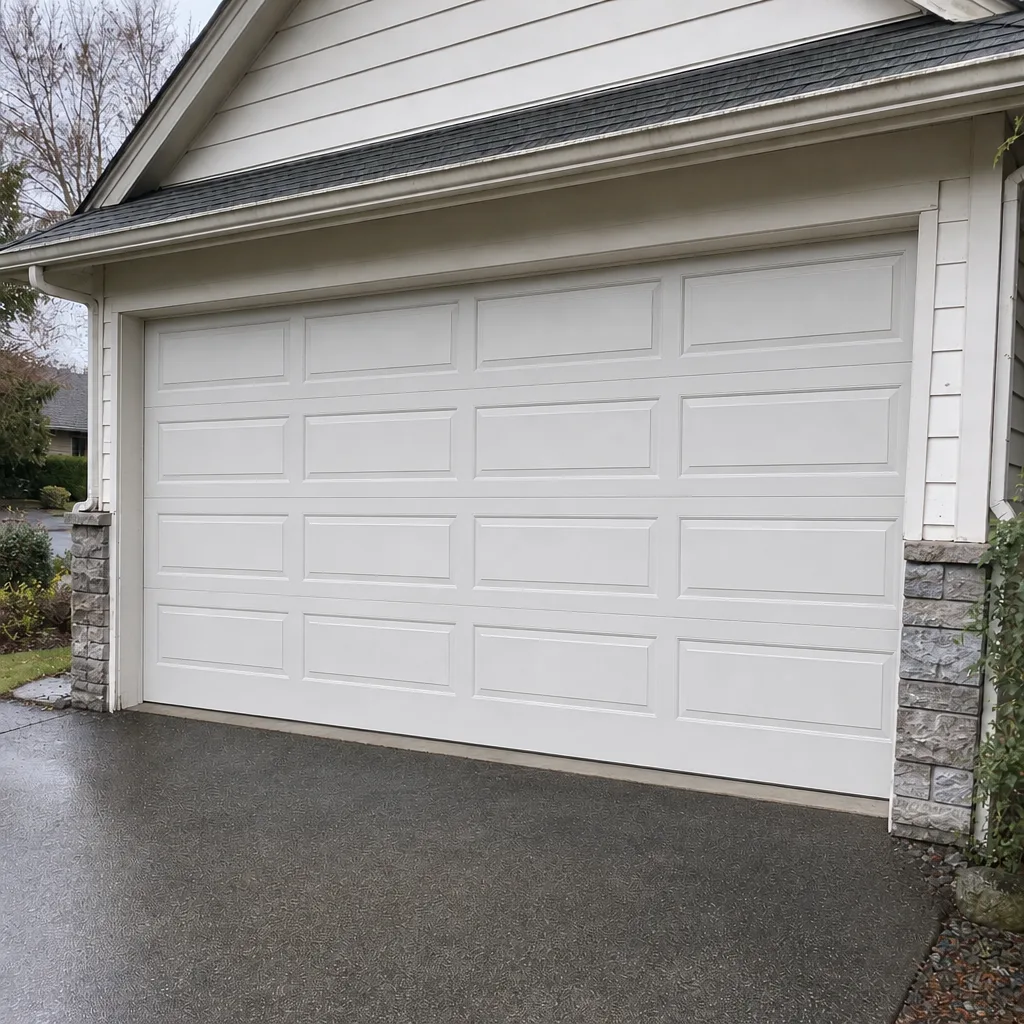 After
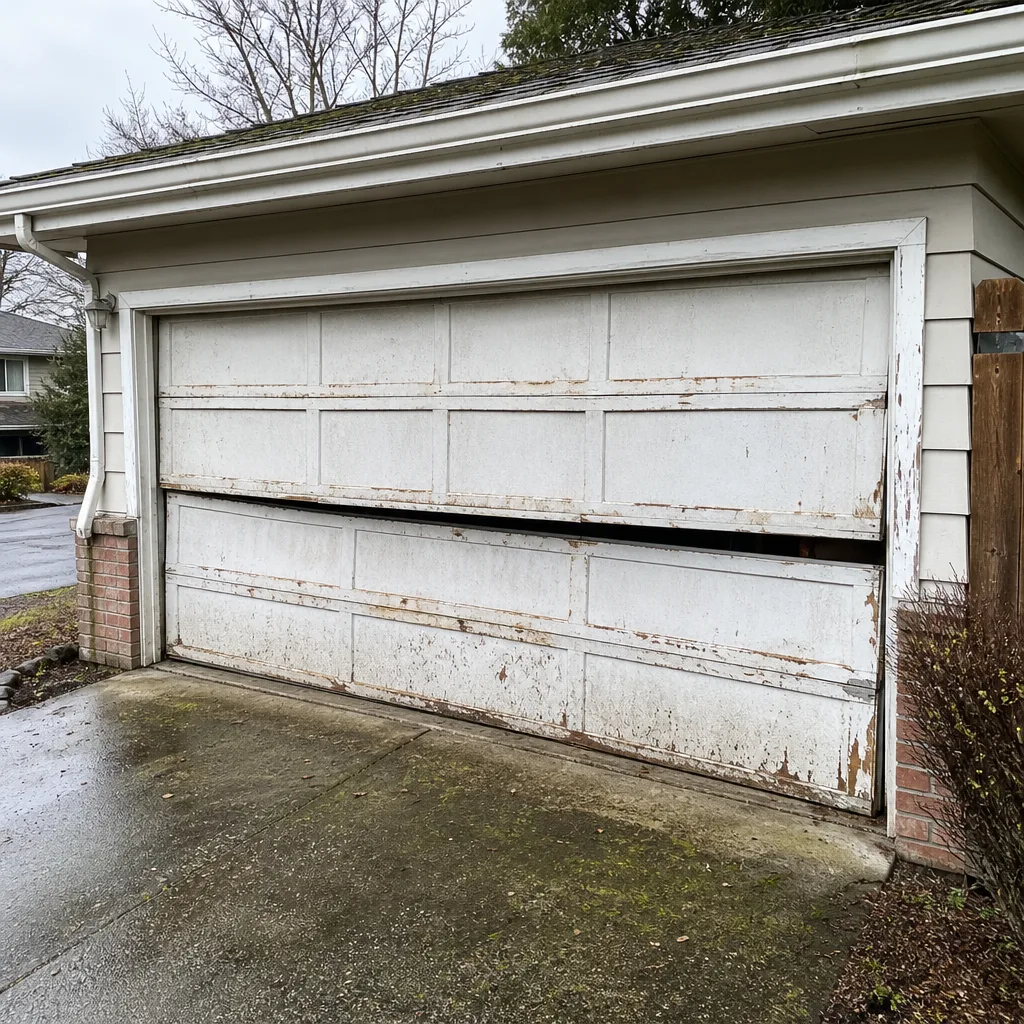 Before
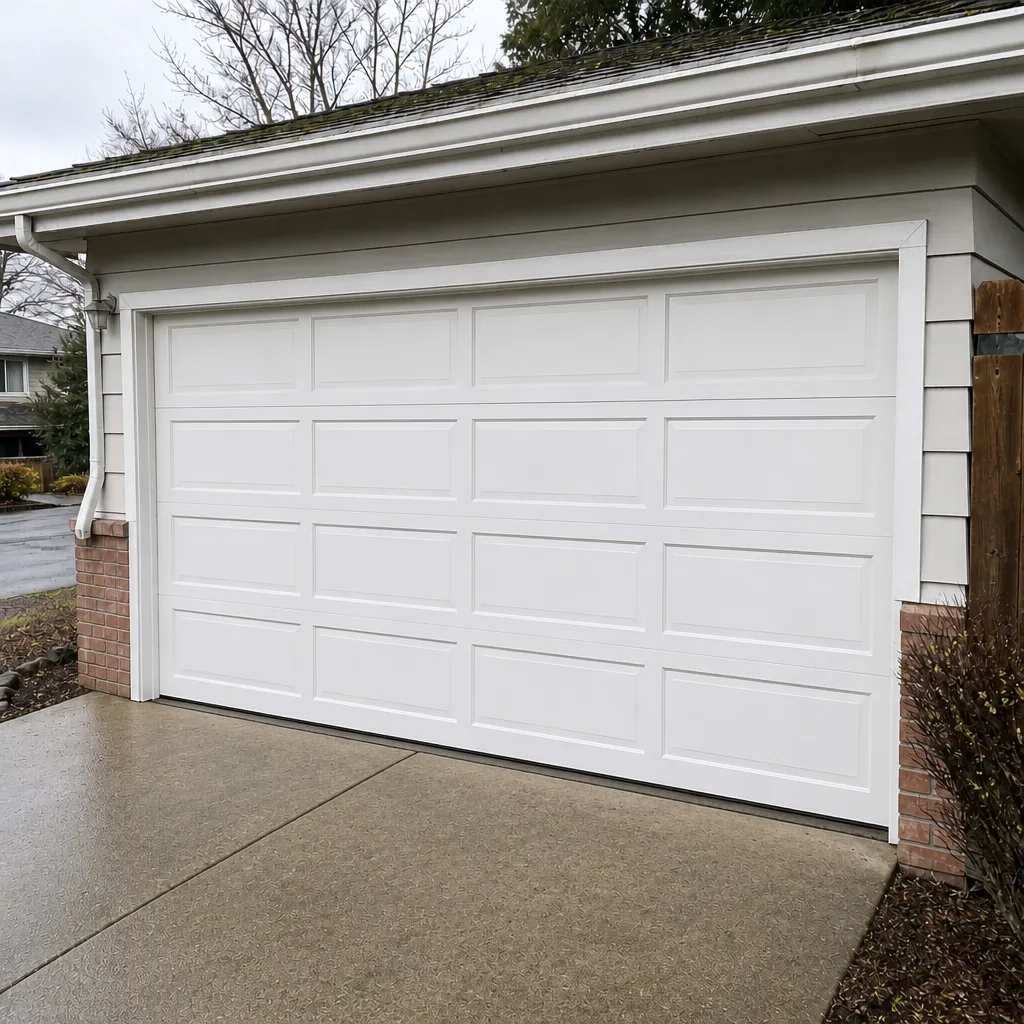 After
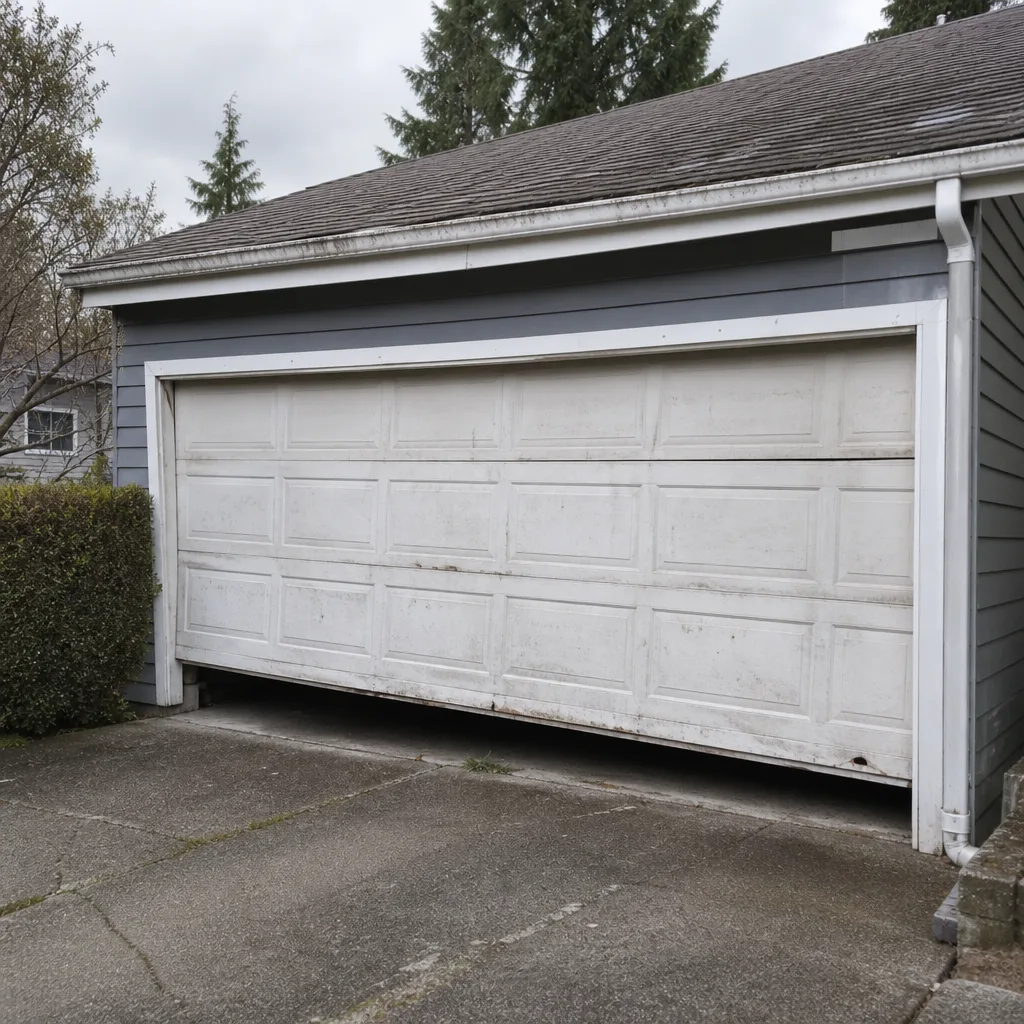 Before
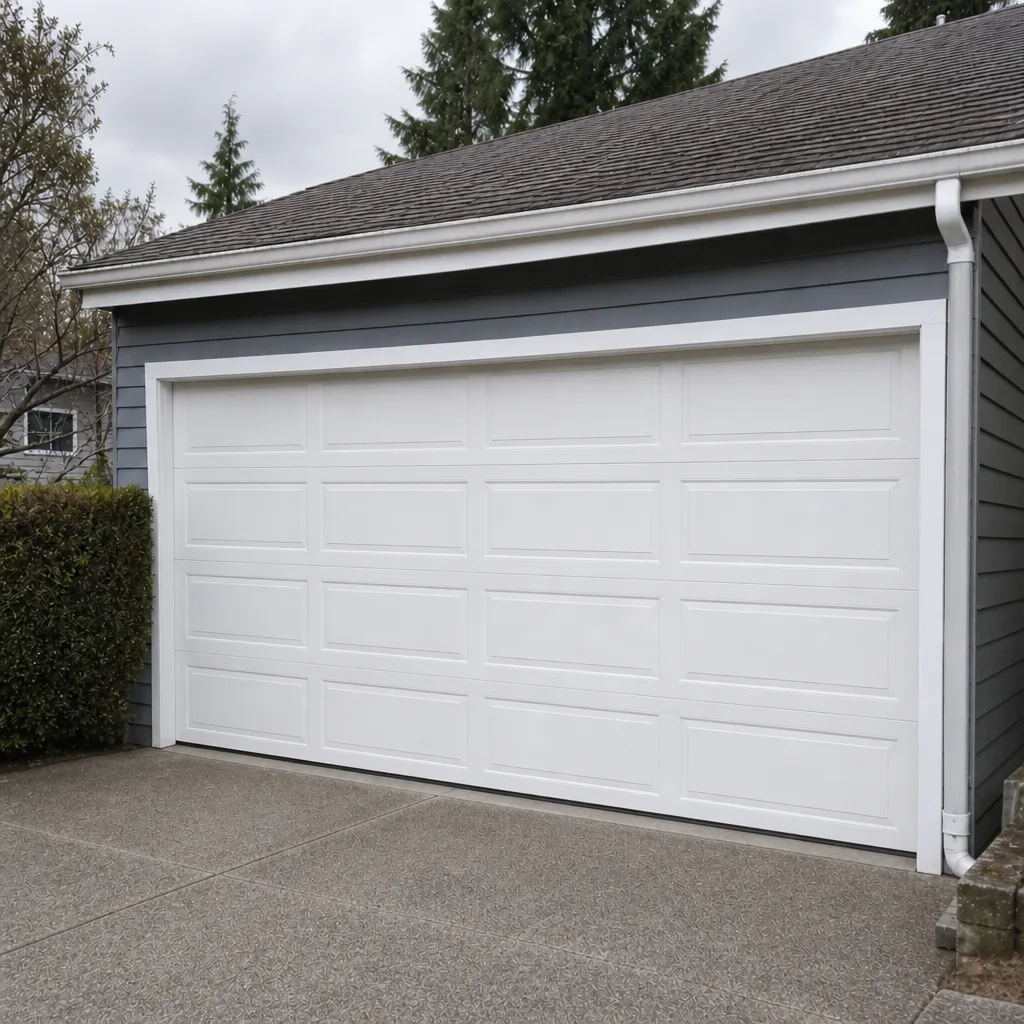 After
When to Call a Professional
Some garage door symptoms are worth watching. Others require a call. If the door won’t lift at all, if the opener hums and the door doesn’t move, if a spring looks broken (a visible gap in the coil), if the door comes down crooked and the safety reverse fails to trigger, if a cable is visibly frayed, or if any part of the torsion hardware shows damage, stop using the door and call a professional. Don’t run a torque-wound torsion system by hand. The risk isn’t to the door, it’s to whoever is standing under it.
For anything less urgent, a slower chore like a door that’s noisier than it used to be or an opener that occasionally reverses without cause, it’s still worth having a trained eye on it. Those are the symptoms that turn into bigger failures if ignored, and the fix is usually small when it’s caught early. Bellevue Garage Door Repair Pros offers free estimates in Bellevue, and we can usually diagnose by brand within minutes of arriving on-site because we already know how your equipment behaves. Call (866) 937-9023 to set one up. We answer 24/7. Fast dispatch from 7am to 7pm, Sunday through Friday.
Frequently Asked Questions
Look up the business on Washington State’s contractor registration lookup maintained by Labor & Industries, request a certificate of insurance, ask which specific brands the technician is trained on, and read the newest reviews for detail rather than star average. The registration check takes about thirty seconds and catches most of the field before you’ve invested any time. Call (866) 937-9023 if you’d like to walk through our own verification first; estimates are free.
Washington requires a contractor registration for anyone performing garage door repair for compensation, but it does not issue a garage door specialty license. The registration confirms a bond and insurance; it does not confirm specialty training. Ask about brand training and written warranty to separate a specialist from a generalist. Our technicians have up to 11 years of experience and are trained across the most common residential brands.
A written Bellevue garage door estimate should itemize parts (with spring cycle rating and opener model number), labor (as a flat charge or number of hours), warranty (parts and labor separately), and disposal (removal of old hardware and old door). Any estimate missing one of those four items leaves a gap you’ll discuss after the work is done. Call (866) 937-9023 for a free written estimate; the written price is the price.
Same-day garage door repair in Bellevue is often available for standard failures like broken springs, opener faults, and stuck doors, depending on part availability for your specific brand and model. LiftMaster, Chamberlain, Craftsman, and Raynor parts are usually on hand; less common models may need a scheduled return. Call (866) 937-9023 and we’ll tell you what’s possible for your door. We answer 24/7. Fast dispatch from 7am to 7pm, Sunday through Friday.
The local professional we connect you with is state-registered and insured as Washington requires, and carries the liability and workers’ comp coverage the state mandates. Ask any contractor for their certificate of insurance before booking; a legitimate operation will send it same day. Call (866) 937-9023 for a free estimate.
Replace both springs together. Torsion springs are installed as a matched pair, wear at the same rate, and a failed single replacement is usually followed by the second spring failing within a short window. A good quote will show both springs, each with its cycle rating, and pricing that reflects a pair. Call (866) 937-9023 to talk through your door’s specs; estimates are free.
The Bottom Line
Hiring a garage door contractor in Bellevue comes down to four checks. Verify the contractor registration on the state lookup. Confirm liability insurance and workers’ comp in writing. Ask enough brand-specific questions to tell a trained technician from a generalist. Demand a written estimate that itemizes parts, labor, warranty, and disposal, with the spring cycle rating and opener model number on the page. Do those four things and you’ll sidestep most of the problems we get called out to fix. A Bellevue door that gets proper service lasts a long time; one that gets a light-duty spring from the cheapest quote usually costs more by the second visit. If we can help with the hire or just answer a question, call (866) 937-9023. Estimates are free.
Written by the team at Bellevue Garage Door Repair Pros.