
Last updated November 23, 2026
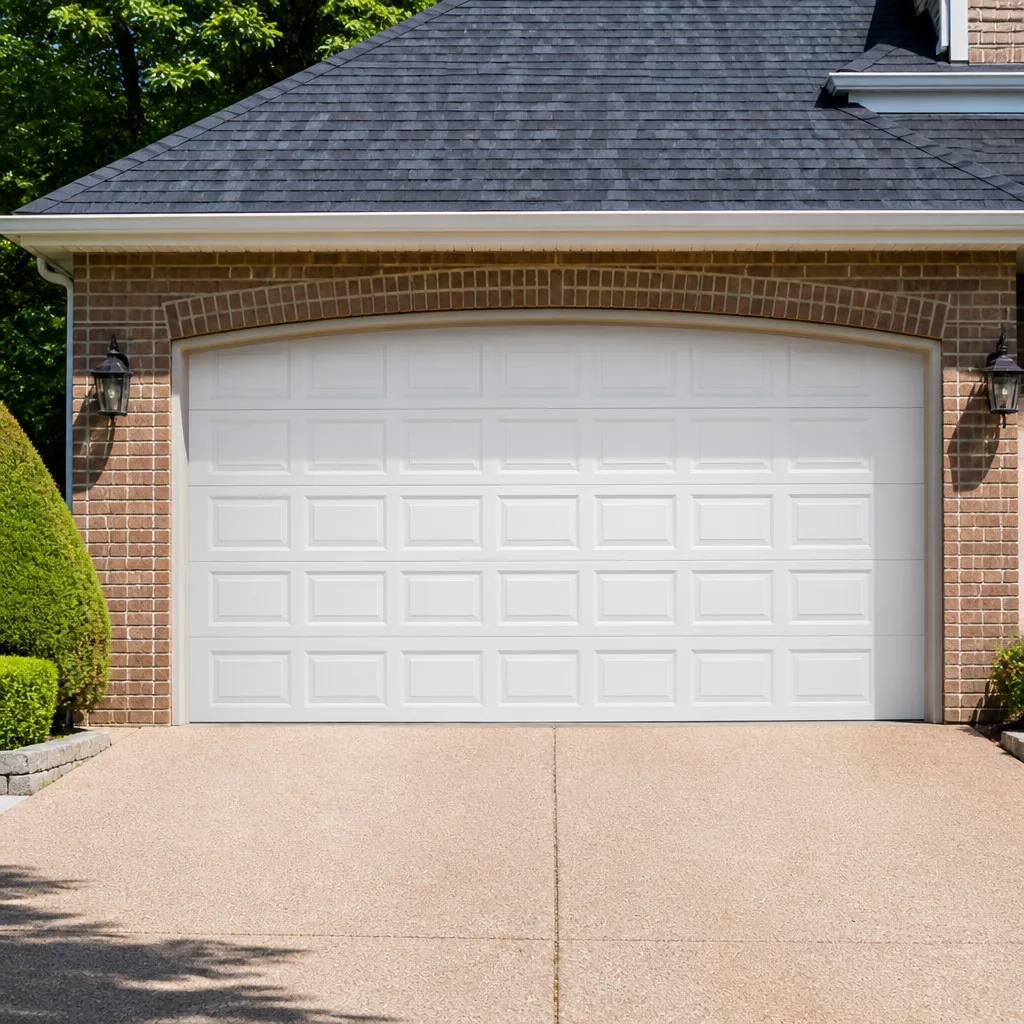 Raised-panel steel
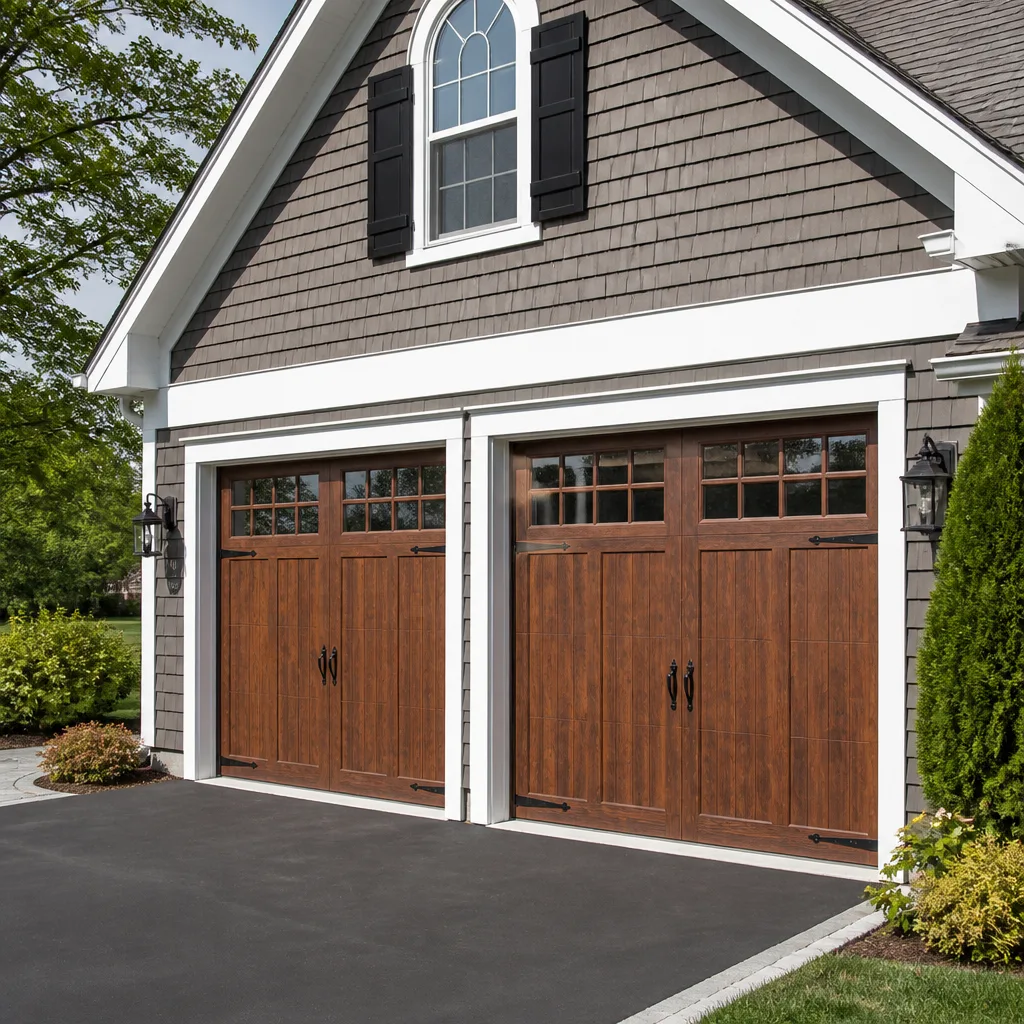 Carriage house
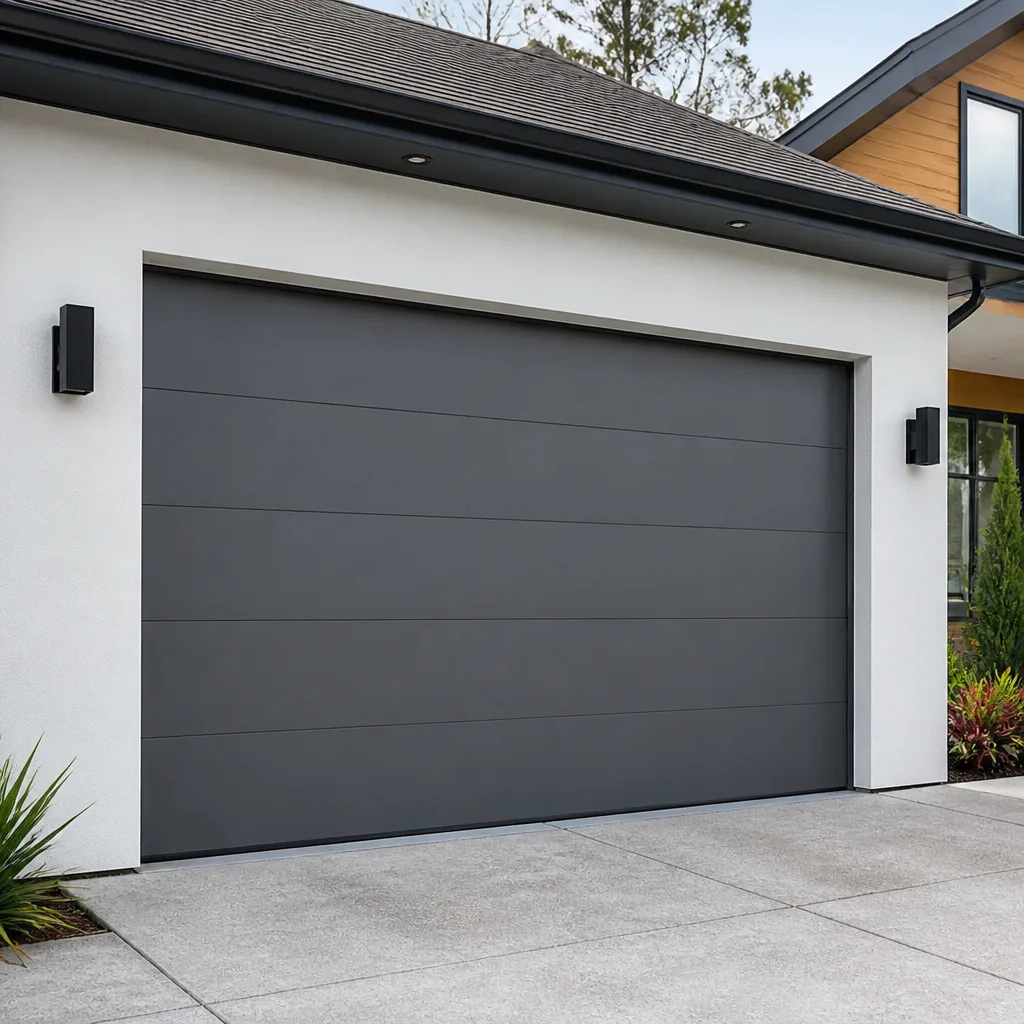 Modern flush
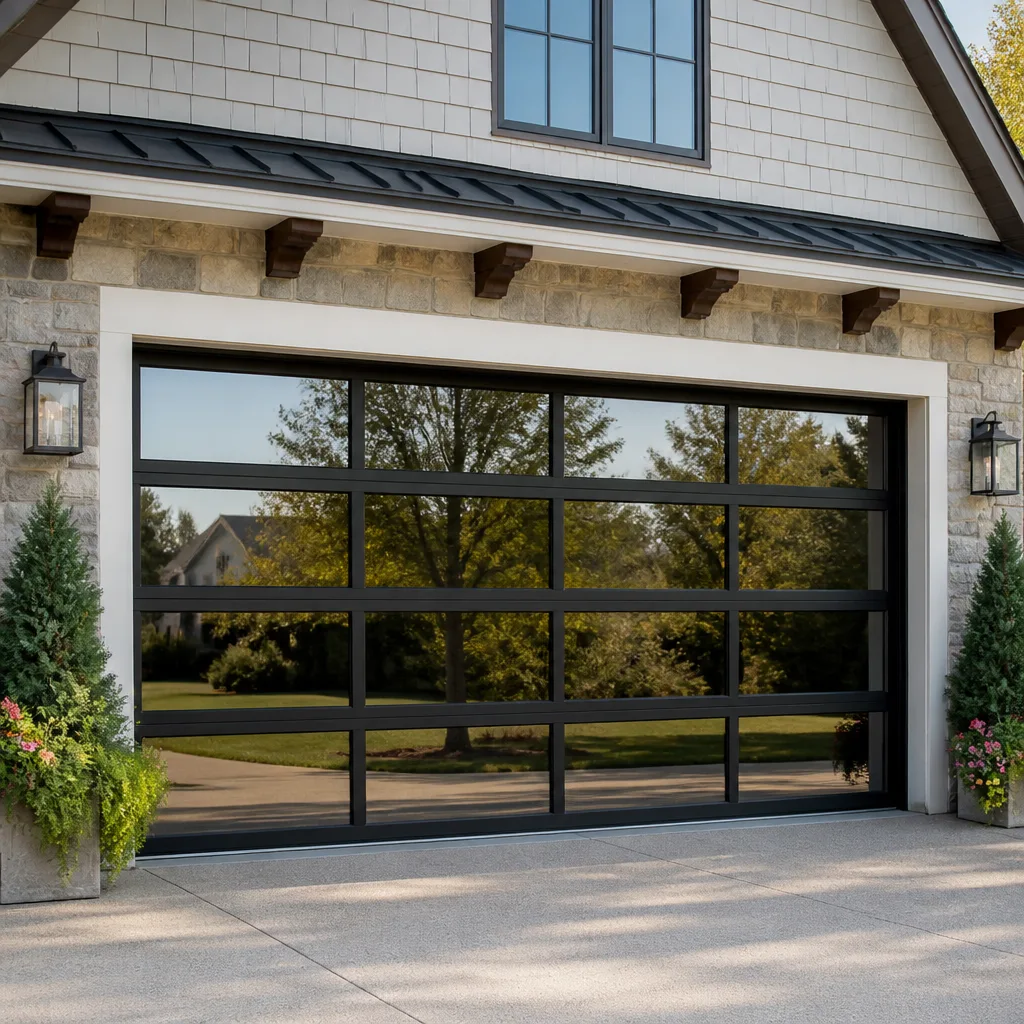 Full-view glass
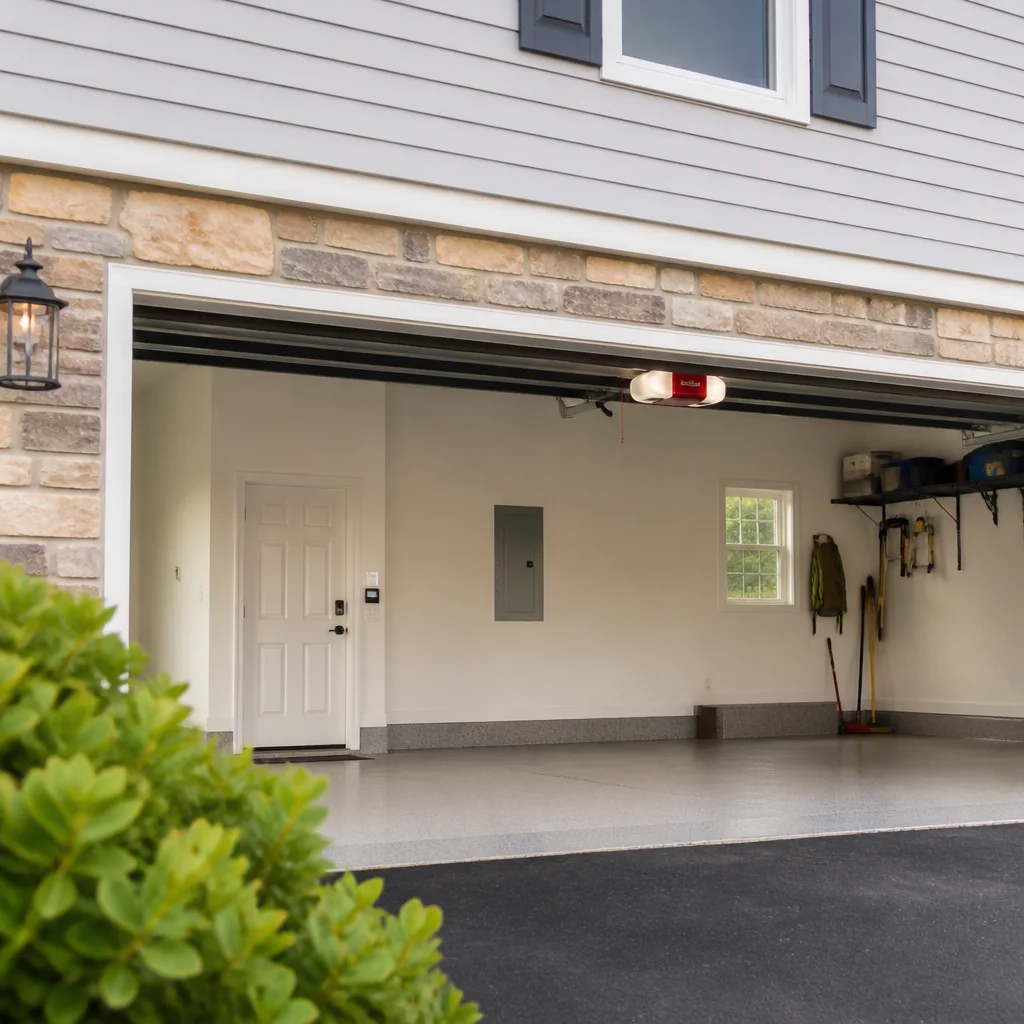 LiftMaster openers
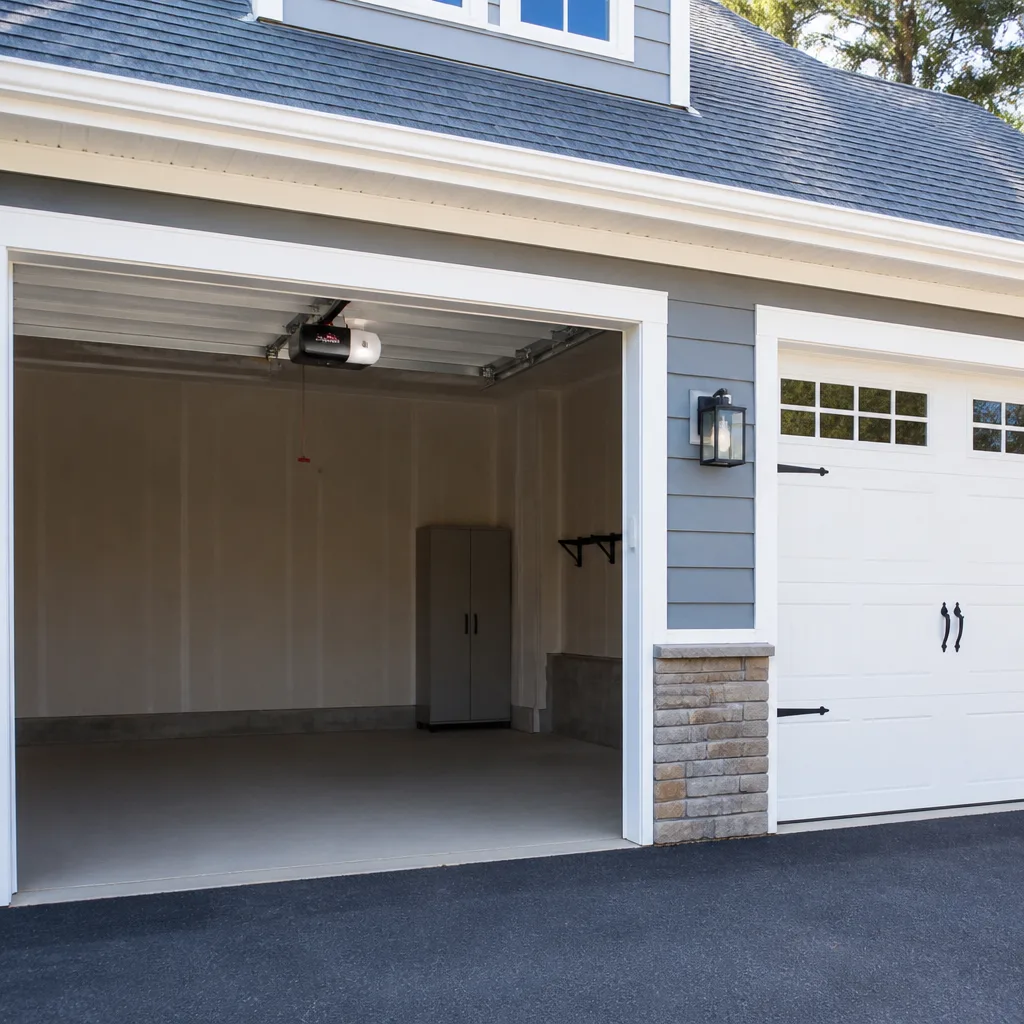 Chamberlain openers
Full 25-point door and opener safety check with every visit - springs, cables, rollers, tracks, and your LiftMaster or Chamberlain opener included
You get a price before we start. It does not change when the pro arrives.
Get your free estimateChoosing the Right Garage Door Brand: A Buyer’s Guide for Bellevue
Eight brands cover the overwhelming majority of garage doors installed in Bellevue, and they don’t all use the same steel gauge, the same hinge design, or the same weatherstripping system. Those differences are invisible on the showroom floor. They show up after three Pacific Northwest winters, when one door still seals tight and the other has rust bleeding from every hinge and a bottom section that flexes under a hand. This guide is about the parts you can’t see in a photo: gauge, insulation, hardware, warranty language, and whether the brand can get you a matching panel in Bellevue when a bike falls against the door. We’ll walk through what actually separates these doors so a twenty-year purchase lasts twenty years.
Quick Answer
For most Bellevue homes, a mid-grade Clopay or Amarr steel door in the 24- to 25-gauge range with a modest insulation value hits the best balance of price, durability, and parts availability. Wayne Dalton makes sense on tighter budgets and Craftsman remains common on older Eastside homes, but the deciding factor is less the logo than whether your local technician can source panels and hardware for that brand without a custom order.
Styles & brands we work with
- Raised-panel steel
- Carriage house
- Modern flush
- Full-view glass
- LiftMaster openers
- Chamberlain openers
Table of Contents
- The Eight Brands You’ll Actually See in Bellevue
- Why Parts Availability Beats Brand Prestige
- Steel Gauge Reality Check: 24 vs. 25 vs. 27
- Insulation Value in Bellevue’s Climate
- Matching Brand Tier to Home Value and Longevity
- Pairing Your Door Brand With the Right Opener
- Questions to Ask Before You Buy
- Common Mistakes to Avoid
The Eight Brands You’ll Actually See in Bellevue
Walk any residential street in Bellevue, from Crossroads to Bridle Trails, and you’ll pass the same handful of names stamped on the bottom panel or hiding behind the opener light. That short list exists because local distributors stock them, local technicians know them, and their parts networks reach the Eastside. A brand with a beautiful national ad campaign but no regional distribution is a brand you’ll struggle to repair.
Here’s an honest read on the eight we work on most, without the manufacturer’s brochure language:
- Clopay – The widest model range of the group, from builder-grade steel to insulated carriage-house styles. Steel gauge varies significantly by model line, so two Clopay doors can behave nothing alike. Strong parts availability in the region.
- Amarr – Solid mid-market steel doors with good hardware and reliable finishes. A frequent choice on Eastside homes built in the last couple decades. Insulation options are straightforward to compare across models.
- Wayne Dalton – Common on value-focused installations. Some lines use proprietary hardware that limits aftermarket parts, which matters when something breaks years later. Ask about this before you buy.
- Raynor – Heavier commercial-leaning steel doors that hold up well. Less common residentially in Bellevue but respected for durability where it’s installed.
- Craftsman – Mostly found on older Bellevue homes and paired with Craftsman openers. Still serviceable, though some parts require hunting as models age.
- LiftMaster and Chamberlain – These are opener brands, not door brands, and they dominate local garages. Parts and remotes are easy to source.
- Genie – The other major opener name you’ll see, with a strong presence on older systems.
The point isn’t to rank them. It’s that each brand has distinct hardware, hinge geometry, and panel profiles, and a technician who works across all eight diagnoses by brand behavior rather than guessing. When your door is failing, that fluency shortens the job.
Why Parts Availability Beats Brand Prestige
Here’s the calculation nobody puts on the showroom tag: the day a car door dings your bottom panel, what actually matters is whether a replacement panel exists in the region. A brand with prestige but weak local distribution means one impact can force a custom repaint of the whole door, or a full replacement, because a single matching panel isn’t available. A less glamorous brand with a strong parts network means a straightforward swap.
In Bellevue, parts availability is a real variable. The Eastside’s housing stock is dense enough that the common brands have regional distribution, but the outliers don’t. We’ve seen the difference play out plainly: a discontinued panel from a low-distribution brand turns a small dent into a project measured in weeks and full-door dollars.
Before committing to a brand, run this quick check:
- Ask your installer whether replacement panels for that model are stocked regionally or shipped to order.
- Ask how long a panel typically takes to arrive if it needs ordering.
- Ask whether the hinges, rollers, and brackets are standard or proprietary.
- Ask if the bottom weatherseal is a common profile or a brand-specific shape.
- Confirm the warranty covers finishes and hardware, not just the structure.
If a brand can’t answer those questions well, it’s the wrong brand for a home you plan to keep. This is where a specialist who works across brands earns their keep: they already know which names have deep local support and which leave you stranded. It’s the same reason our garage door repair work centers on parts you can actually get.
Steel Gauge Reality Check: 24 vs. 25 vs. 27
Three doors in three photos can look identical and perform completely differently, because the difference is in the steel gauge of the panel skin. Gauge numbers run counterintuitively: a lower number means thicker steel. A 24-gauge door has a thicker skin than a 25-gauge door, which has a thicker skin than a 27-gauge door. In pictures, they’re twins. Under repeated thermal expansion and the occasional flying debris from a mower or a basketball, they are not.
Thinner steel dents more easily, flexes more across the panel, and tends to show stress at the hinge points sooner. Bellevue’s weather swings seasonally, and a garage door goes through an enormous number of expansion-and-contraction cycles over its life. Thicker steel handles those cycles with less fatigue.
- 24-gauge – The sturdiest common residential gauge. Best dent resistance and the longest service life. Often the right call for a high-traffic door or one facing the street.
- 25-gauge – A reasonable middle ground. Common on mid-grade doors and adequate for most households, especially a door facing a driveway rather than the weather.
- 27-gauge – Lightest of the group. Fine for a low-traffic or budget-conscious install, but it will show wear and dents sooner under daily use.
A door’s strength also comes from its backing and insulation, not the skin alone. A 27-gauge door with a solid backer can outperform a bare 25-gauge door. Ask what’s behind the steel, not just how thick the steel is.
Insulation Value in Bellevue’s Climate
Insulation value is where Bellevue homeowners most often pay for more than they need, or less. An attached garage in Bellevue shares at least one wall, and often a ceiling, with living space, and a poorly insulated door lets cold air and street noise straight through. But this climate rarely hits the brutal temperature extremes that make a top-tier insulated door a clear winner on ROI alone.
Here’s the practical context. If your garage is attached and you use it as a workspace or you notice the rooms above or beside it running cold in winter, a modest insulation value helps noticeably. If your garage is detached, or you use it only to park and store, a premium insulated door is mostly paying for quiet and a sturdier panel, not energy savings. The honest ROI calculation rarely justifies the top of the insulation range for a detached Bellevue garage.
Two things to weigh alongside the insulated door:
- An insulated door is heavier, which can stress an older opener that wasn’t sized for it. Match the opener to the door, not the other way around.
- Sealing matters as much as the R-value on paper. Good weatherstripping around the perimeter and a well-seated bottom seal keep the climate where it belongs regardless of the panel rating.
For most Bellevue homes, we’d steer you toward a solid mid-range insulation value and a well-sealed install over an expensive rating on a door that doesn’t fit its frame tightly. The right garage door installation does as much for comfort as the panel spec.
Matching Brand Tier to Home Value and Longevity
The brand that’s right for a townhome in the Crossroads area isn’t necessarily right for a larger home in Bridle Trails, and the difference isn’t snobbery. It’s an honest calculation about how long you plan to stay and what the door needs to survive.
- Long-term home, street-facing door: A mid-grade Amarr or Clopay in 24-gauge with solid insulation pays off over the years in dent resistance and easy parts replacement. This is the right answer for most Bellevue homes.
- Shorter horizon or tighter budget: A value-tier Wayne Dalton covers the job and looks clean, but ask about proprietary hardware and long-term parts availability before you commit.
- Older Bellevue home, existing Craftsman: Keeping the same hardware family often makes repair simpler than switching brands, especially if the opener is a matching Craftsman.
- Premium home with a carriage-house style: A higher-tier Clopay or a heavy Raynor earns its price on sturdiness and finish if the door is a focal point of the facade.
The pattern behind all four: match the brand tier to how hard the door will work and how long you’ll own it. A premium door on a detached storage garage is money spent on features you won’t notice. A builder-grade door on a high-traffic street-facing opening is money saved up front and spent again at replacement time. When the existing door no longer earns its keep, our garage door repair team will tell you plainly whether repairing or replacing makes more sense for your home.
Pairing Your Door Brand With the Right Opener
A garage door is a system, and the opener is half of it. The most common mismatch we see in Bellevue is a newer, heavier insulated door hung on an opener that was sized for a lighter builder-grade door. The opener strains, the door hesitates, and within a season you’re calling for garage door opener repair because the motor is working too hard.
The opener brands you’ll find under most Bellevue garage ceilings are LiftMaster, Chamberlain, Genie, and the occasional Craftsman, which are closely related to the others in the way their logic and safety sensors behave. Matching an opener to your door means checking a few things:
- Does the opener’s lifting capacity match the door’s weight, including insulation?
- Are the safety sensors and the reversing function set correctly for the door’s travel?
- Does the door balance evenly on its springs so the opener only has to guide it?
- Are the remotes and keypad a common model your technician can service without special parts?
Springs do the lifting; the opener mostly steers. That’s why a balanced door on a modest opener works better than a premium opener on a door with tired springs. If you’re installing a new door, have the springs and the opener planned together, not sequentially. Our Bellevue Garage Door Repair Pros team treats the door and the drive as one system for exactly this reason.
Questions to Ask Before You Buy
Most buyers focus on the panel color and the remote count. The questions that actually protect you are less glamorous, and a good technician will welcome every one of them.
- What gauge is the steel, and what’s behind it? The skin thickness plus the backer tells you how the door will survive dents and thermal cycling.
- Is this a standard or proprietary hardware system? Standard means fast, ordinary repairs later. Proprietary means the brand controls your parts supply.
- Are matching replacement panels available regionally? This single question can save you a full replacement after one impact.
- What does the warranty actually cover? Look for separate terms on structure, finish, and hardware. A finish warranty that’s shorter than you plan to stay is a hidden cost.
- Is the opener rated for this door’s weight? Insulated doors are heavier. An undersized opener is a repeat call waiting to happen.
- Who services this brand if something fails? A technician who works across the major brands can diagnose by brand, so you’re not scrambling to find a specialist for a discontinued model.
- Does the install include proper sealing and a balanced adjustment? A great door hung badly still lets the weather in.
Bring these to any quote, including ours. They separate a brand that will serve your Bellevue home for two decades from one that leaves you hunting for parts.
How a Typical Garage Door Replacement Goes in Bellevue
If you’ve decided a brand and replacement are the answer, it helps to know the shape of the process. This is a measured, ordered project, not a same-day emergency fix, so the timeline runs on parts availability and scheduling rather than luck.
- Measure and quote: A technician measures the opening, checks the headroom and the ceiling for opener clearance, and confirms the door weight and spring size that model will need.
- Written price: You get the brand, gauge, insulation value, and total in writing before anything is ordered. Nothing starts until you agree to it.
- Order and schedule: The door and any non-stock panels are ordered and an install date is set. This is the part people underestimate, since a special order takes longer than a stocked model.
- Install and balance: The old door comes down, the new one goes up, springs are set, the opener is adjusted, and safety sensors and reversing are tested.
- Walk-through: You operate the door yourself, hear how it runs, and learn the routine checks before the technician leaves.
The brand decision you make up front largely determines how smooth steps three through five go. A brand with regional parts support is the difference between a two-week project and a two-month one.
Common Mistakes to Avoid
- Choosing from photos alone. Two doors that look identical in a brochure can differ by two gauge numbers. Ask for the steel gauge in writing; a photo tells you nothing about how the panel will dent.
- Chasing a brand with no local parts network. A low-distribution brand can’t get you a matching panel when a bike dings the bottom section, turning a small repair into a full replacement in Bellevue.
- Over-insulating a detached garage. A premium insulated door on a Bellevue garage nobody heats is money spent on a feature you’ll never feel. Match the insulation to how you actually use the space.
- Buying the door without planning the opener. A heavier insulated door hung on an older opener rated for a light door is a recipe for premature opener failure and repeat service calls.
- Ignoring proprietary hardware. Some value-brand lines use brand-specific hinges and brackets, which makes routine repairs slower and costlier years later.
- Trusting a finish warranty shorter than your stay. Read the warranty terms by component. A finish that fades in three winters while the structural warranty runs much longer is a cost shifted onto you.
- Skipping the balance check at install. A door that isn’t properly balanced strains the opener and the springs from day one, no matter how good the brand.
See the difference
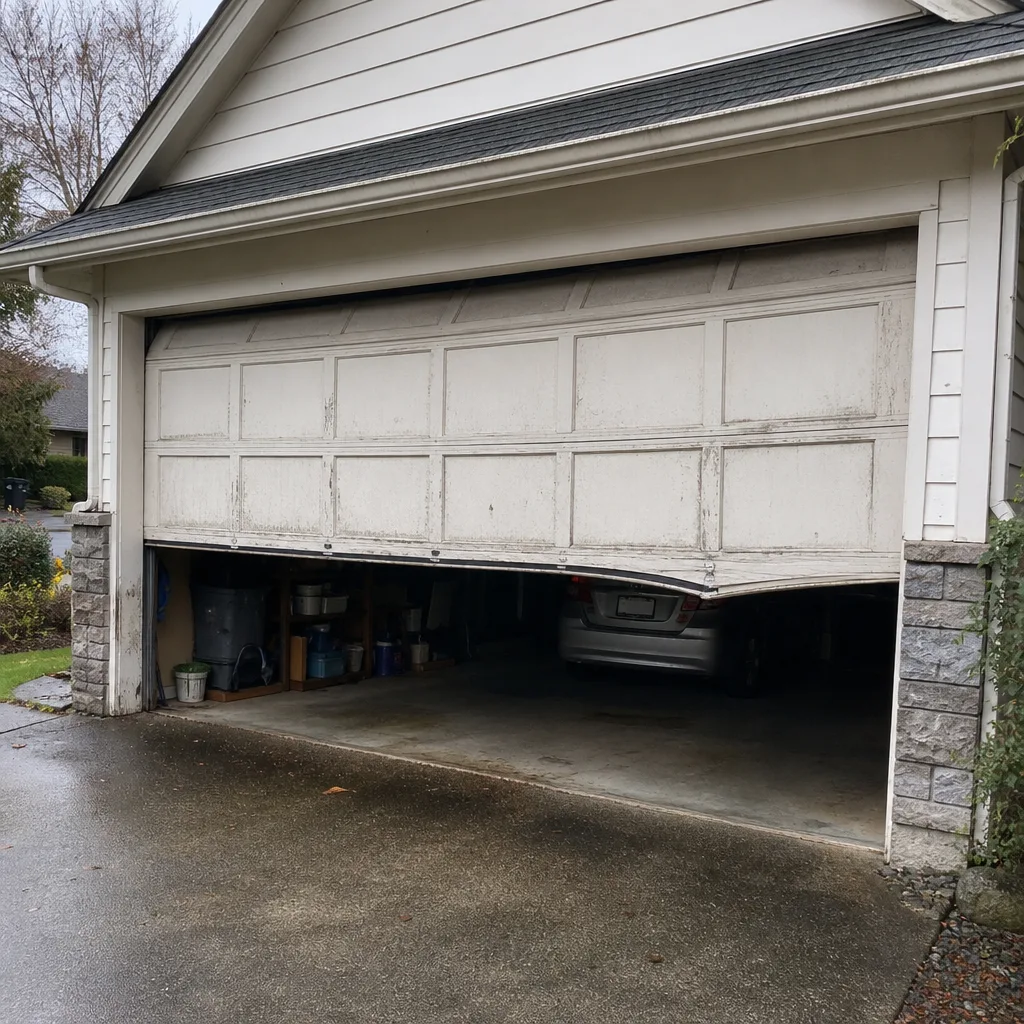 Before
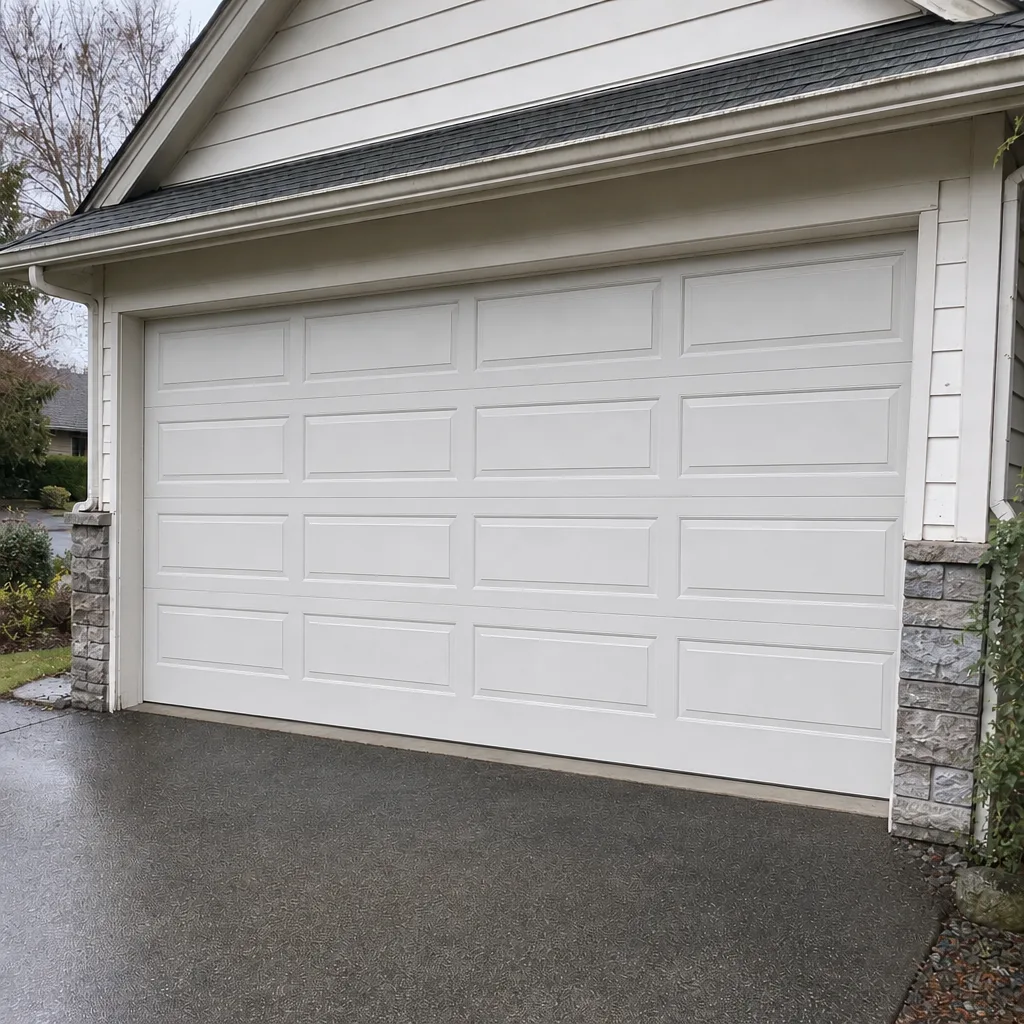 After
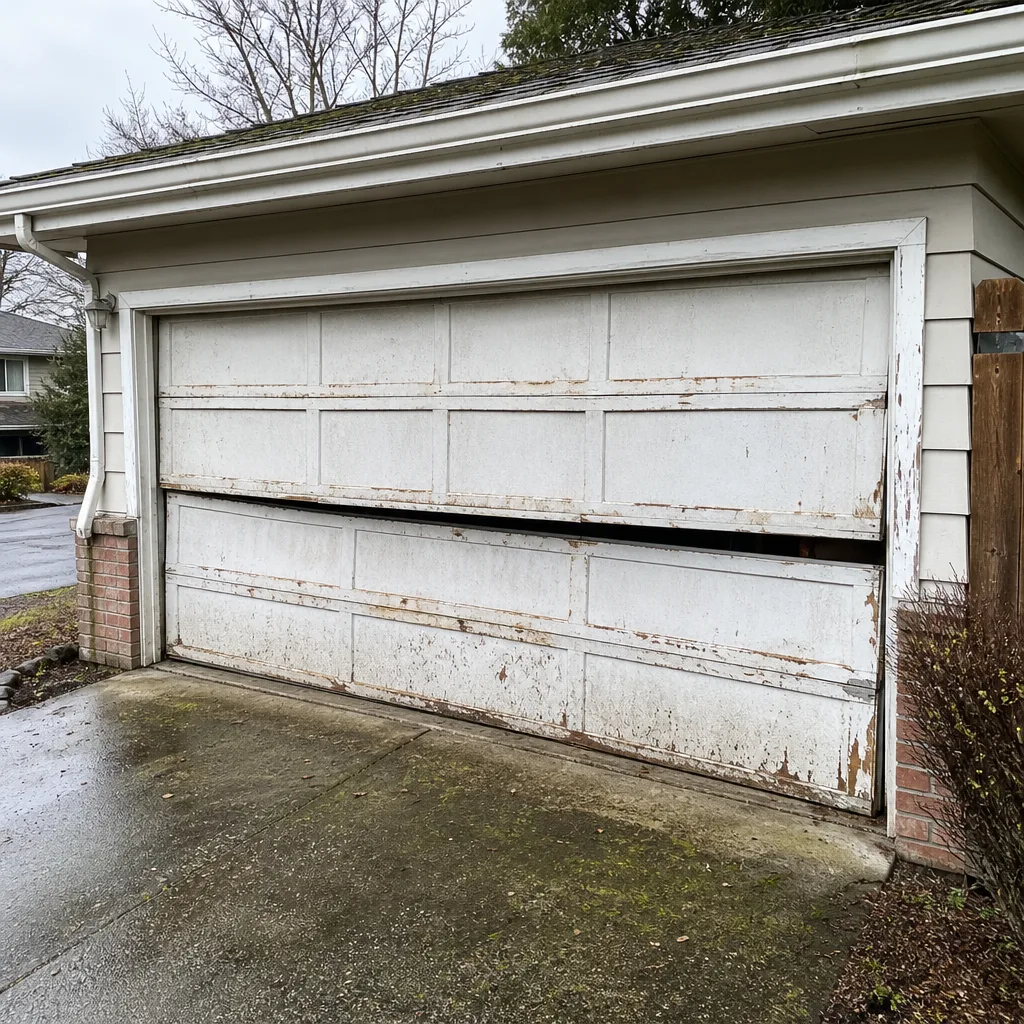 Before
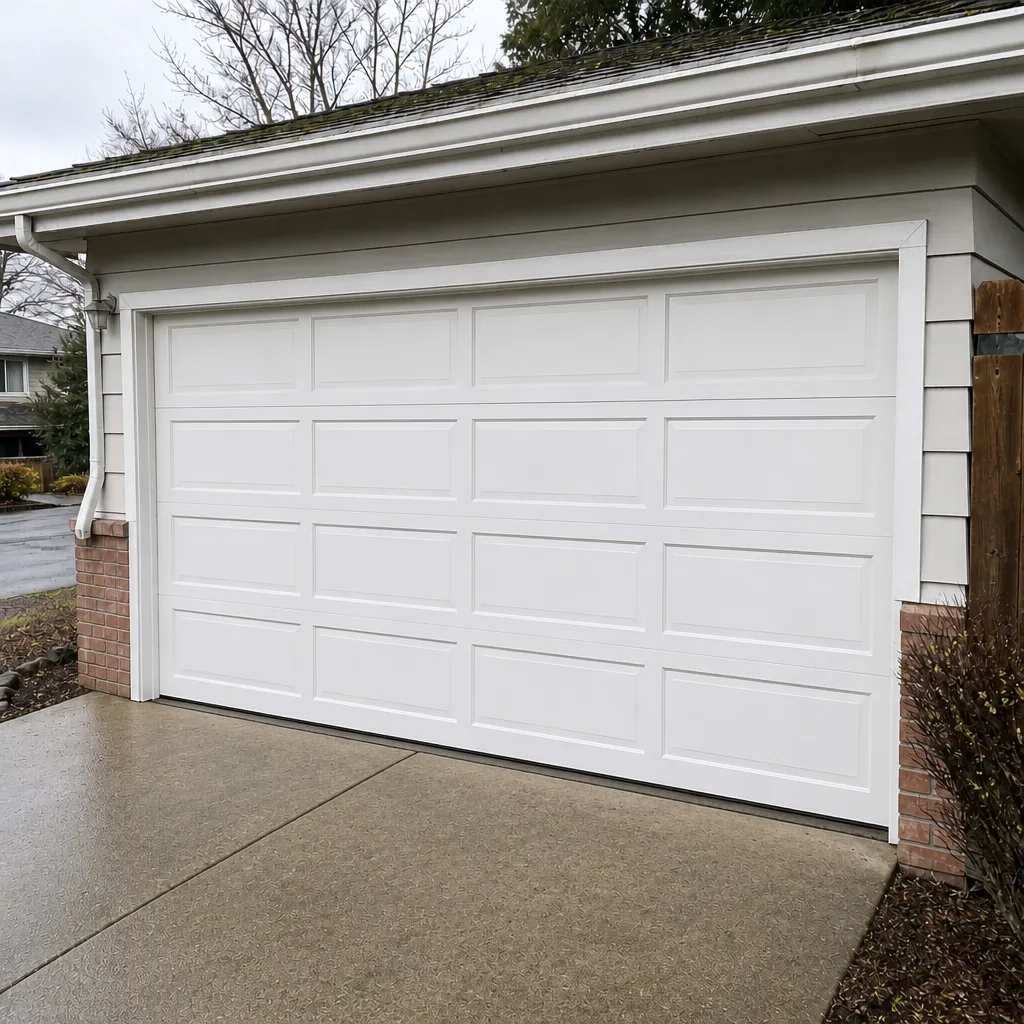 After
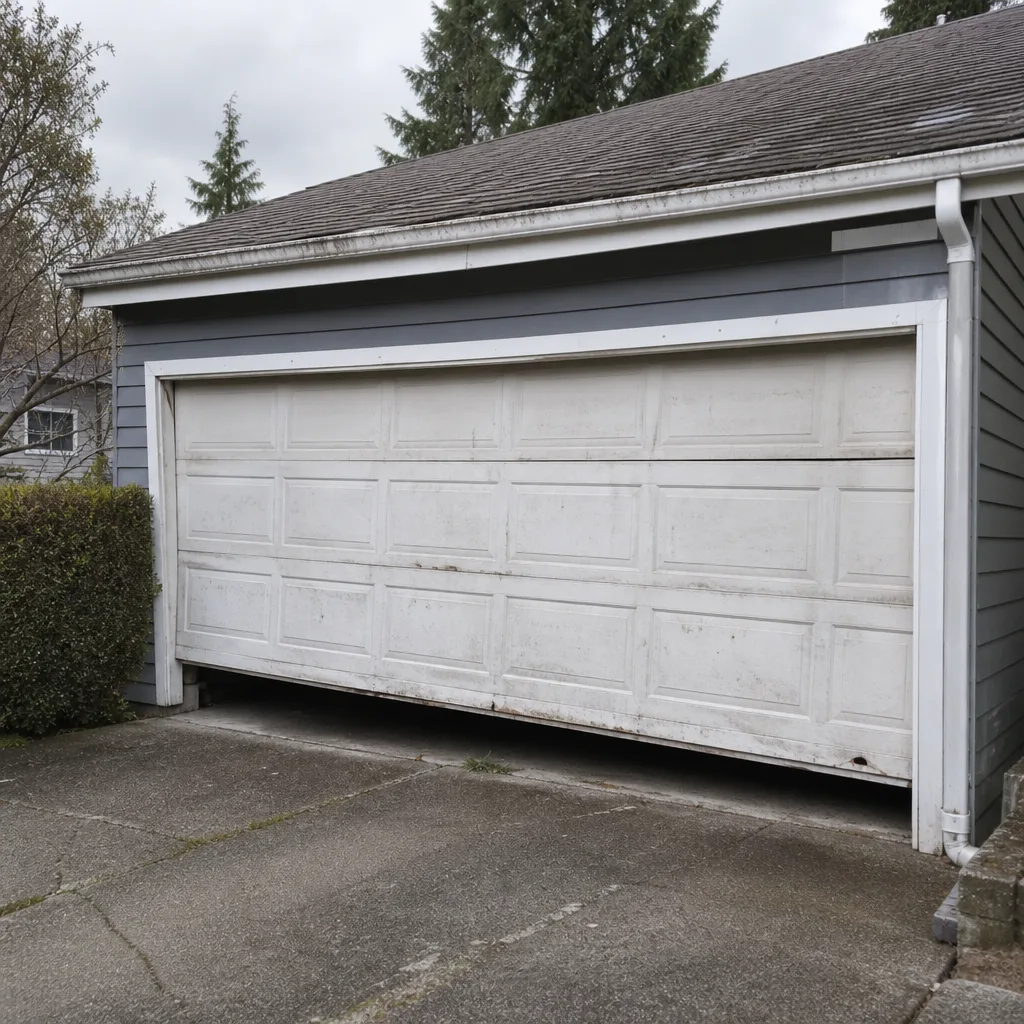 Before
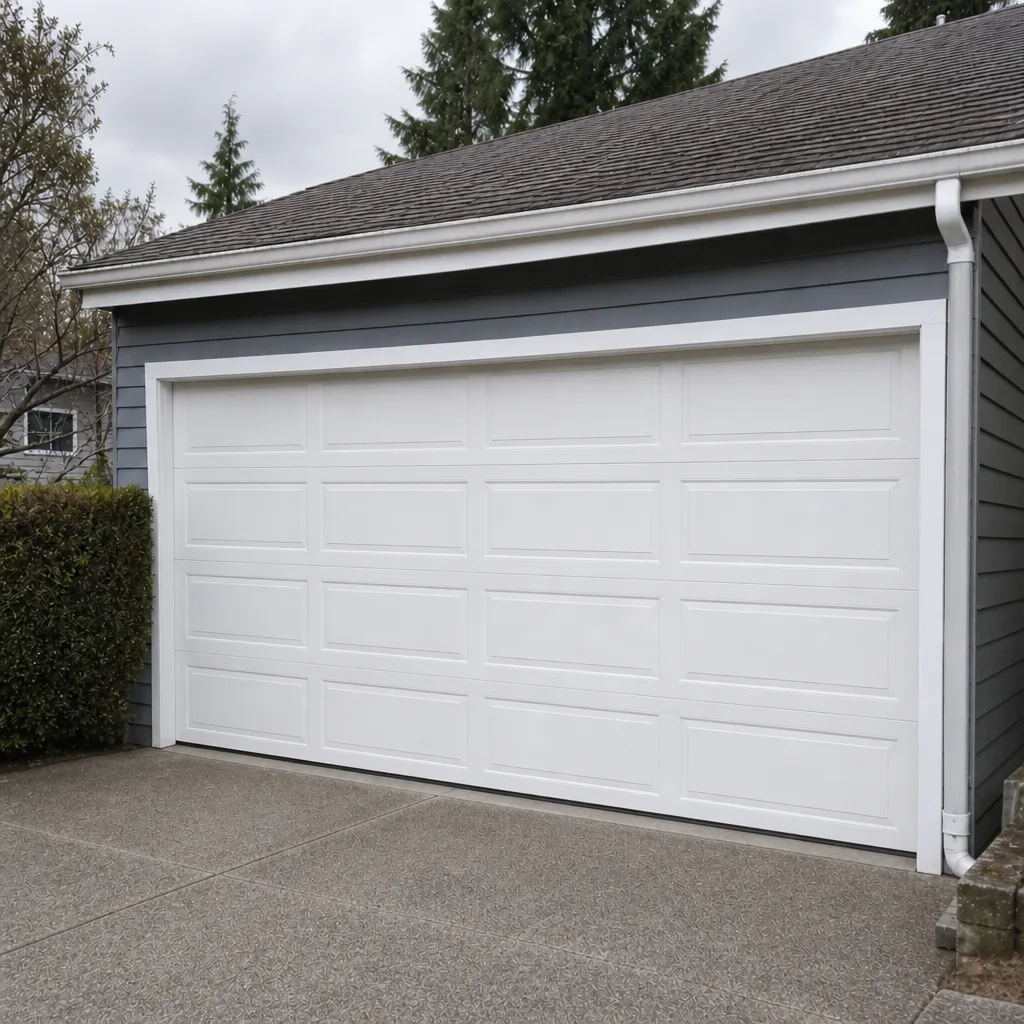 After
When to Call a Professional
Some decisions are genuinely a phone call, not a research project. If your current door is already failing, if a spring has snapped, or if the opener hesitates and reverses for no clear reason, that’s the moment to bring someone in rather than guess at a brand from a website. If you’re comparing brands for a replacement, a technician who works across the major names can tell you which one fits your opening, your opener, and your parts situation in Bellevue. And if the door is stuck with a car inside or won’t secure your home, we structure our service around exactly that kind of time-sensitive call. Bellevue Garage Door Repair Pros offers free estimates in Bellevue. Call (866) 937-9023. We answer 24/7. Fast dispatch from 7am to 7pm, Sunday through Friday. Our technicians have up to 11 years of experience diagnosing by brand and fixing to spec.
Frequently Asked Questions
For most Bellevue homes, a mid-grade Clopay or Amarr steel door in the 24- to 25-gauge range with modest insulation is the best balance of durability, price, and parts availability. The deciding factor is less the brand name than whether replacement panels and hardware are available locally. Call (866) 937-9023 for an exact quote – estimates are free.
Yes, and it’s one of the biggest hidden differences between doors. A lower gauge number means thicker steel, so a 24-gauge door resists dents and thermal cycling better than a 25- or 27-gauge door, even when the three look identical in photos. Ask for the gauge in writing before you buy.
For an attached garage that shares walls with living space and feels cold in winter, a modest insulation value is worth it. For a detached garage you only park in, a premium insulated door mostly buys quiet and sturdiness rather than meaningful energy savings. Match the insulation to how you use the space, then call (866) 937-9023 for an exact quote – estimates are free.
Ask your installer directly whether replacement panels for that model are stocked regionally or shipped to order, and how long an order takes. A brand with weak regional distribution can turn a single dinged panel into a custom repaint or a full replacement in Bellevue. Call (866) 937-9023 and we’ll tell you plainly what’s available for your door.
A technician who works across the major residential brands can diagnose by brand behavior and service the door rather than sending you back to the manufacturer. We work on the eight brands you’ll see most in Bellevue, including Clopay, Amarr, Wayne Dalton, and Craftsman, plus the common opener names. Call (866) 937-9023 for an exact quote – estimates are free.
Often yes, if your current opener was sized for a lighter door. Insulated doors are heavier, and an undersized opener strains and fails early. Plan the door and the opener together so the lifting capacity, springs, and safety settings all match. Call (866) 937-9023 and we’ll check what your opener can handle.
The Bottom Line
The right garage door brand for your Bellevue home comes down to three things: steel gauge you can verify in writing, hardware that isn’t proprietary and hard to source, and local parts availability so a dinged panel stays a repair. For most homes, a mid-grade Clopay or Amarr in 24- to 25-gauge with modest insulation is the sensible choice; Wayne Dalton and Craftsman make sense in the right situations. Skip the showroom trance and ask the questions that protect a twenty-year purchase. If you’re stuck, we’ll diagnose by brand and fix to spec. Call (866) 937-9023. We answer 24/7. Fast dispatch from 7am to 7pm, Sunday through Friday.
Written by the team at Bellevue Garage Door Repair Pros.