
Last updated November 23, 2026
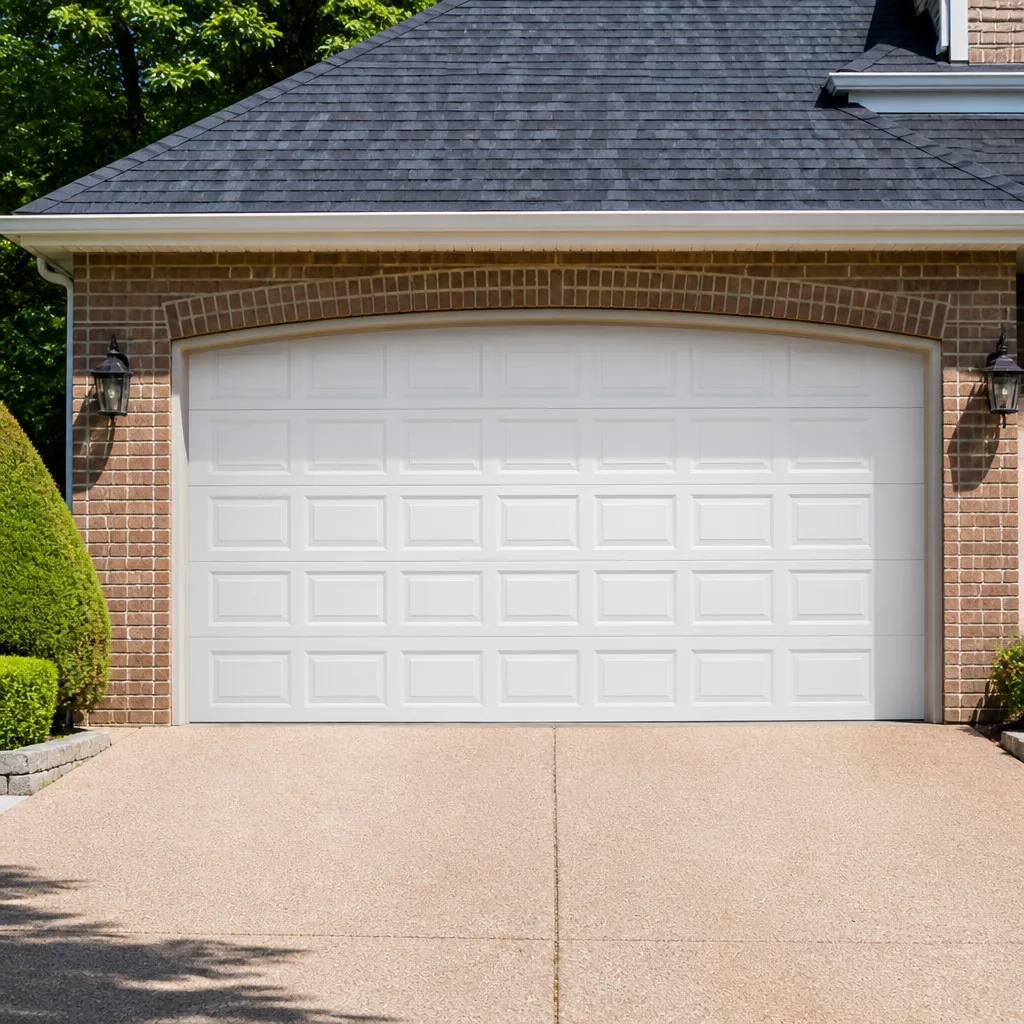 Raised-panel steel
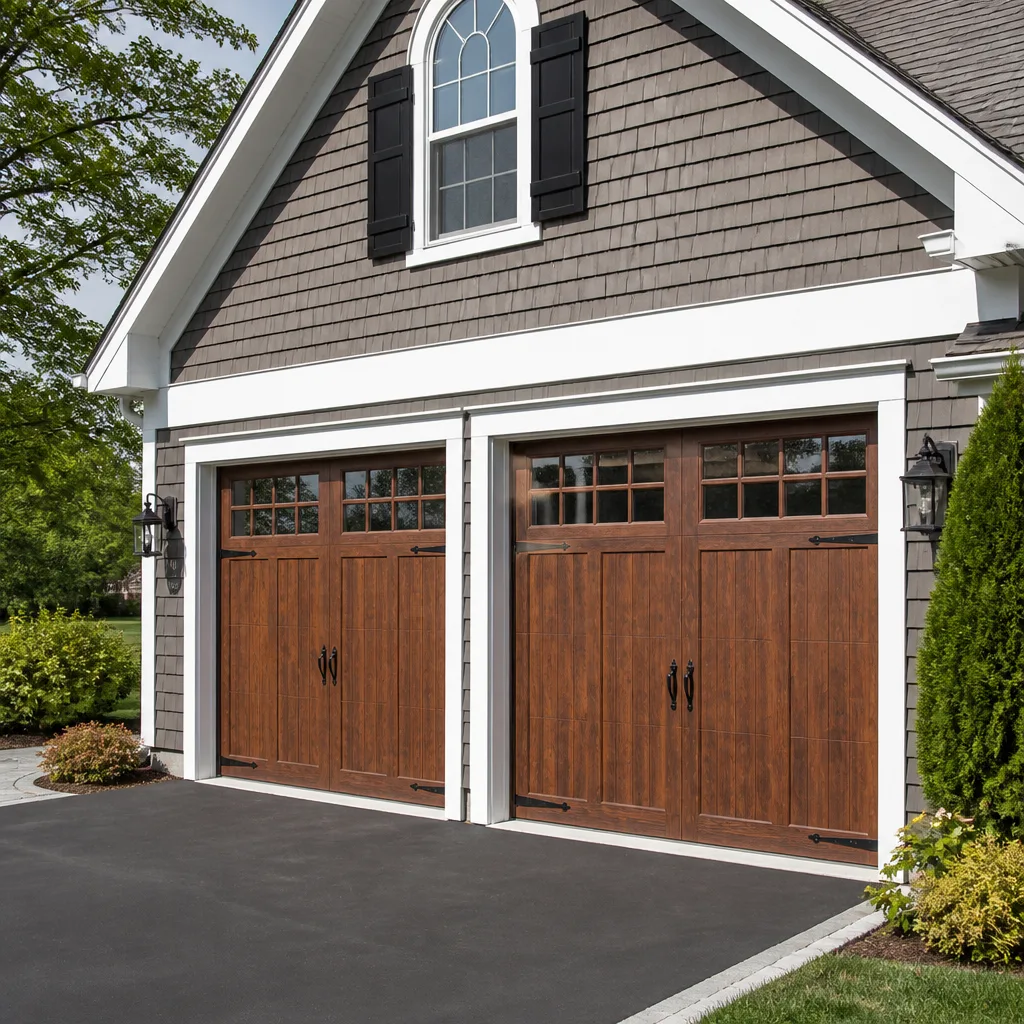 Carriage house
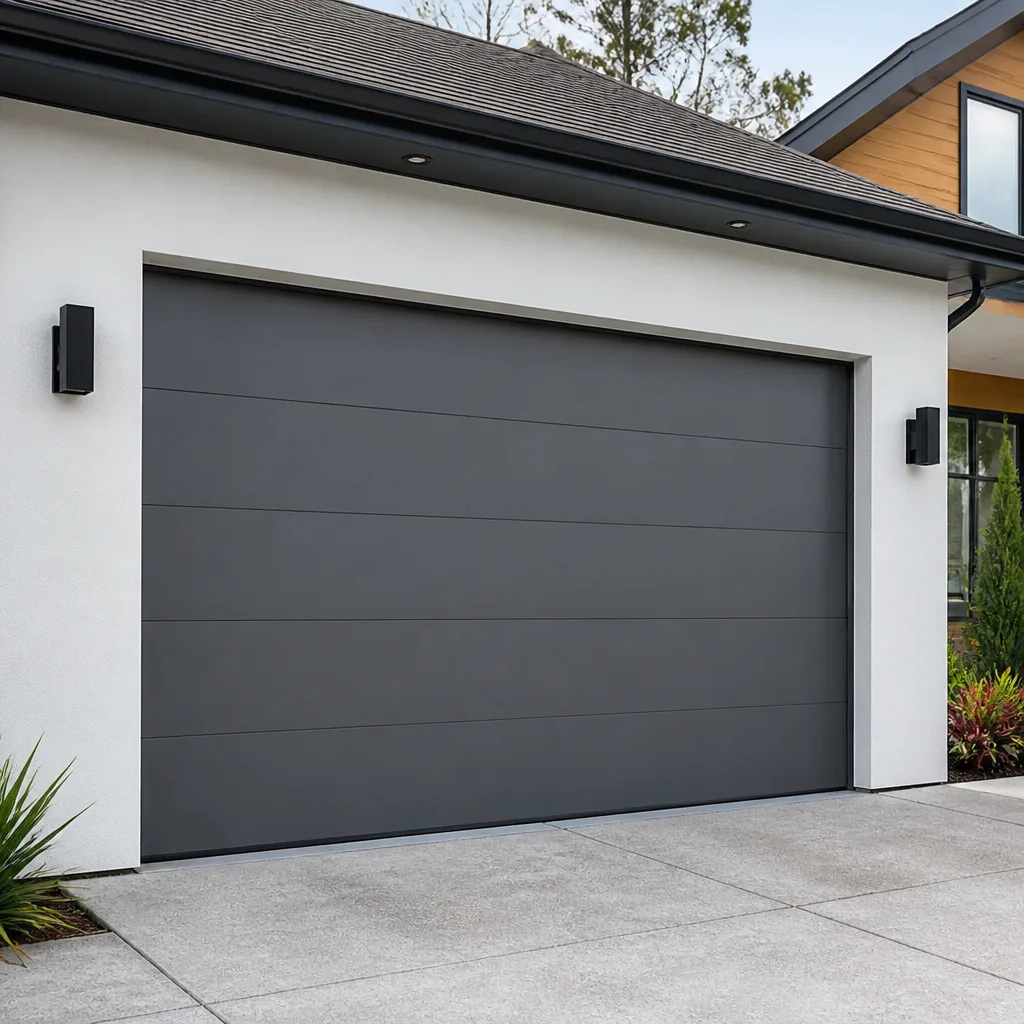 Modern flush
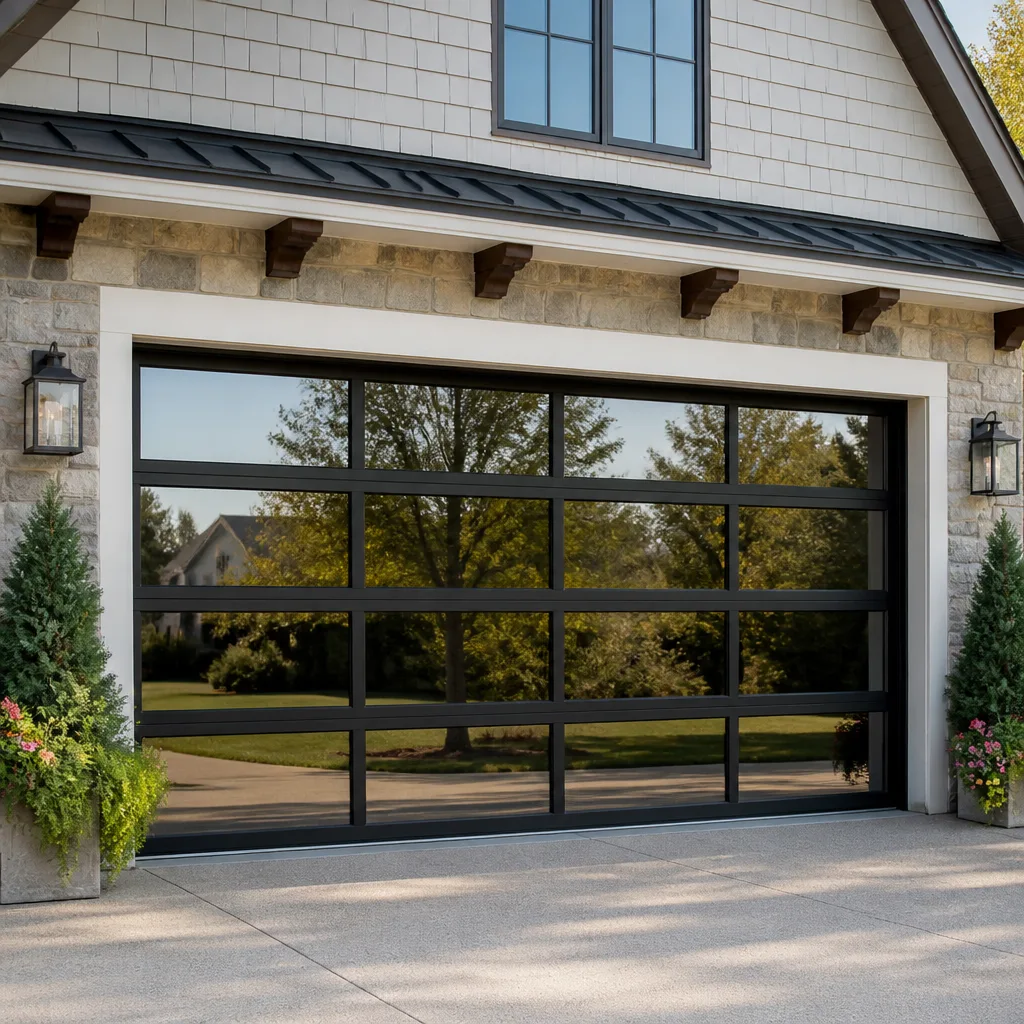 Full-view glass
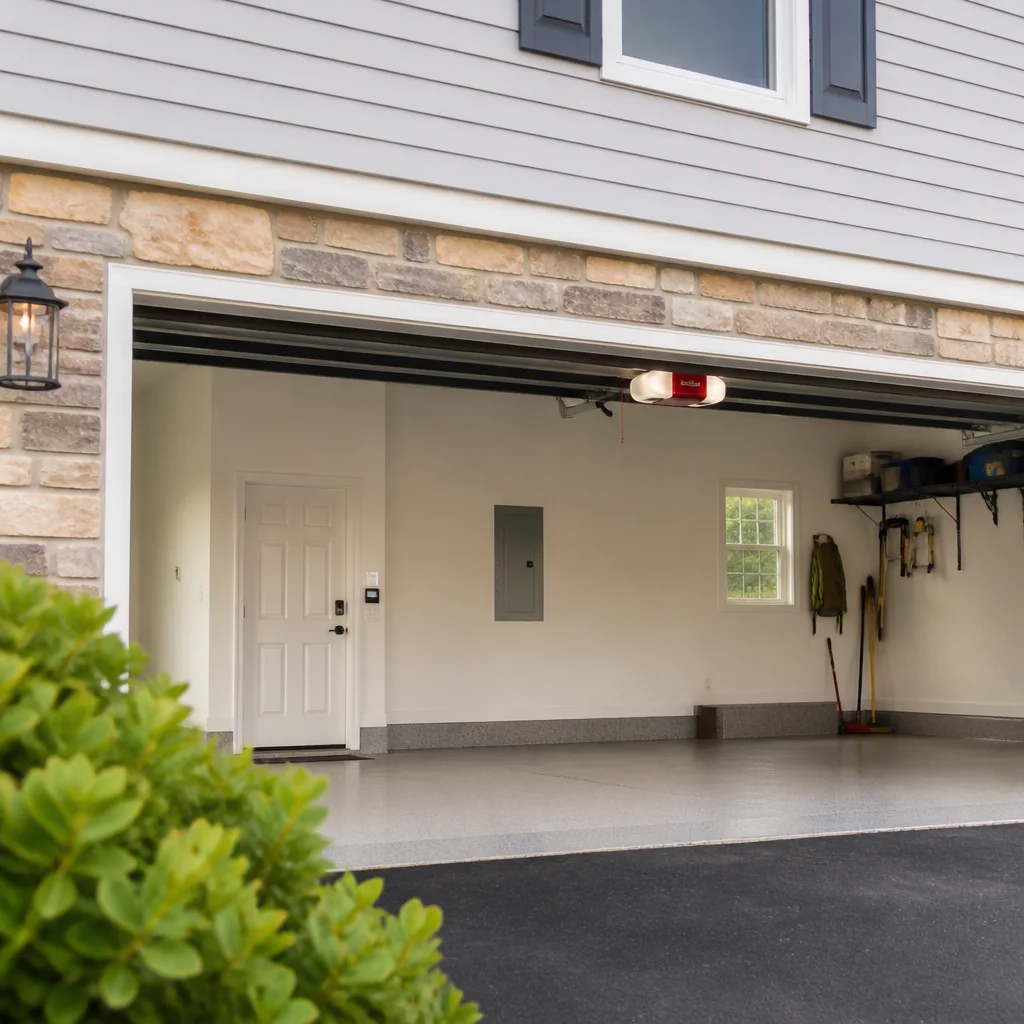 LiftMaster openers
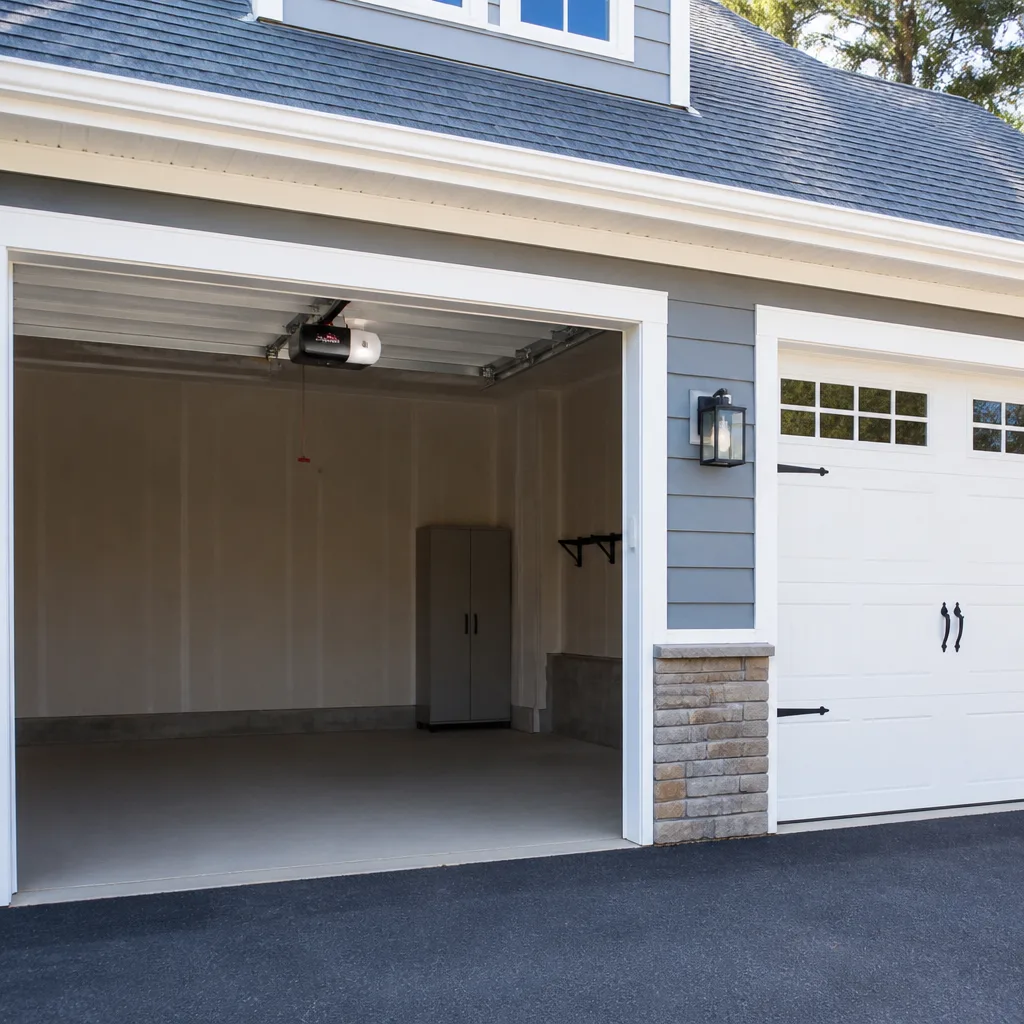 Chamberlain openers
Full 25-point door and opener safety check with every visit - springs, cables, rollers, tracks, and your LiftMaster or Chamberlain opener included
You get a price before we start. It does not change when the pro arrives.
Get your free estimateGarage Door Permits, Codes & Inspections in Bellevue, WA: What You Need to Know
Most Bellevue homeowners assume a garage door replacement never needs a permit. That’s the misconception this guide takes apart. The city of Bellevue’s permit threshold for garage door work isn’t based on how much you spend. It’s based on scope. A straight like-for-like swap on the same opening, same size, same header, usually falls outside the building permit line. But the moment the opening is modified, a structural header changes, new electrical runs to the opener, or the garage ties into a larger remodel or an ADU project, that “I’m just replacing the door” job moves squarely into permit territory. The consequences of getting it wrong don’t show up the day of install. They surface at resale, during a title search, or when a claim gets denied. Here’s what actually triggers a permit in Bellevue, how inspections work, and how to keep your project clean on paper.
Quick Answer
A like-for-like garage door replacement in Bellevue generally does not require a building permit, but any change to the opening, the structural header, the electrical circuit feeding the opener, or work tied to an ADU or major remodel usually does. Sectional door and opener electrical connections must be made by a licensed electrician, and a permit-pulled job needs the required inspection before it’s signed off. When in doubt, ask the city of Bellevue’s building department directly before work begins.
Styles & brands we work with
- Raised-panel steel
- Carriage house
- Modern flush
- Full-view glass
- LiftMaster openers
- Chamberlain openers
Table of Contents
- What Actually Triggers a Garage Door Permit in Bellevue?
- Like-for-Like Replacement vs. Scope Changes
- When an Opener Installation Crosses Into Electrical Permit Territory
- How Unpermitted Work Affects Insurance and Title
- The Bellevue HOA Overlay: Aesthetic Approval on Top of Code
- The Inspection Step Most Homeowners Skip
- How Bellevue’s Climate and Housing Stock Shape the Work
- Choosing a Garage Door Contractor in Bellevue
What Actually Triggers a Garage Door Permit in Bellevue?
Bellevue permits based on scope, not price. A homeowner can spend a lot on a custom door and still need no permit if the opening stays exactly the same. A homeowner can spend modestly on a standard door and absolutely need one if the opening gets resized. Understanding which category your job falls into is the difference between a clean, defensible install and a headache that waits years to surface.
Projects that typically fall into permit territory include:
- Changing the width or height of the opening. Any dimensional change means the structural framing around the opening is being altered, and that’s a building permit item.
- Header modifications. Replacing, reinforcing, or resizing the structural header above the opening is framing work and requires a permit and inspection.
- New electrical circuits for an opener. Running a new dedicated circuit to the garage for an opener or for lighting is electrical permit territory, handled by a licensed electrician.
- Garage conversions or ADU projects. If the garage is being converted to living space, or the project is part of a larger accessory dwelling unit build, the garage door work is part of a permitted scope.
- Structural repairs from impact damage. If a vehicle or storm event damaged the framing around the opening, the repair work is a permit-and-inspection item, not a door swap.
Like-for-like replacement, on the other hand, where the new door matches the old in size, style, and function, and no framing or electrical is touched, is generally treated as maintenance rather than construction. That’s the line most Bellevue homeowners are standing on when they call us. If your project is a straightforward garage door installation on an existing opening, we can walk you through what your job involves before you commit.
The important thing to understand: the permit question isn’t about whether work is happening. It’s about whether the building envelope, structure, or electrical system is being modified. That’s the test the city applies, and it’s the same test a title company and an insurance adjuster will run after the fact.
Like-for-Like Replacement vs. Scope Changes
Like-for-like means the new door is functionally and dimensionally the same as the old one: same opening size, same track configuration, same operational type, no framing change, no new circuit, no alteration to the building envelope. When those conditions hold, most Bellevue replacements proceed as normal repair or maintenance work, without a building permit.
Scope change is the opposite. It’s any project where the physical footprint of the work reaches beyond “remove the old door, install the new one.” A scope change usually involves one or more of the following:
- Widening or heightening the opening to fit a larger door.
- Changing the track system from a standard torsion setup to a low-headroom or high-lift configuration that alters how the door and framing interact.
- Relocating the opener to a spot that requires new wiring.
- Converting the garage into a different use, like an office, gym, or ADU.
- Repairing structural damage to the header, jambs, or framing around the opening.
In our experience, the confusion usually comes from the word “replacement.” A homeowner hears “replacement” and assumes it’s like-for-like, but a replacement door in a new size or a new configuration is not like-for-like. It’s a scope change. The door might be the same style, the same color, the same brand, and still require a permit because the opening changed.
For Bellevue specifically, the housing stock matters here. Many homes in older neighborhoods around Crossroads, Lake Hills, and the Bridle Trails area have original garage openings that were framed decades ago to standards that may not match a modern door’s requirements. A like-for-like swap in those homes is often genuinely straightforward, but the contractor has to actually look at the opening before promising that’s what it is. That’s why a free measure matters on any replacement: it’s the only way to know for sure which category the job falls into.
If the door is failing rather than being replaced, that’s usually simpler. A diagnosis-and-repair job on an existing, unchanged opening is typically not a permit item. That’s the work we handle most often through our garage door repair service. The permit question tends to enter the conversation when the door is being swapped, resized, or upgraded in a way that touches framing or electrical.
When an Opener Installation Crosses Into Electrical Permit Territory
There’s a clean dividing line in Washington between what a garage door technician can touch and what a licensed electrician must handle. That line runs at the electrical connection, and it’s not always obvious to a homeowner reading the opener’s install manual.
A garage door technician, working within the scope of their trade, is typically allowed to:
- Mount the opener unit to the ceiling or header as specified by the manufacturer.
- Connect the drive system (belt, chain, or screw) and align the door with the opener’s travel.
- Wire the safety sensors to the opener’s low-voltage terminals, since those are low-voltage signal connections.
- Perform the programming: travel limits, force settings, remote pairing, and keypad setup.
- Test and adjust the door and opener together for safe operation.
A licensed electrician is required for:
- Installing a new dedicated circuit to the garage for the opener, including new wire runs, breakers, and outlets.
- Relocating the outlet that the opener plugs into if it requires moving wiring.
- Any work inside the electrical panel to add a circuit for the garage.
- Repairing or replacing damaged wiring between the panel and the opener outlet.
Modern openers from LiftMaster, Chamberlain, and Genie typically plug into a standard 120V outlet, so if there’s already a working outlet at the opener location, the electrical work is often already done. That’s the common case in Bellevue: the outlet is there, the circuit is existing, and the new opener plugs into what’s already installed. The permit question only gets triggered when there’s no outlet, when it’s in the wrong location, or when an old ungrounded outlet needs replacing.
When that happens, the job is coordinated as two parts: the electrician handles the circuit, and the garage door specialist handles the door and opener. That coordination is exactly the reason we cover both the mechanical door and the opener drive system under one call: we don’t want a homeowner stuck negotiating between two contractors over who’s responsible for what. Whether we’re installing a new LiftMaster, servicing an existing Chamberlain, or replacing a failed Genie motor, the door and opener are diagnosed together, so you’re not paying two diagnostic visits. See our garage door opener repair service for that side of the equation.
How Unpermitted Work Affects Insurance and Title
Here’s where the permit question stops being paperwork and starts mattering. Unpermitted garage door work tends to create problems in two specific moments: when a claim is filed, and when the house is sold.
On insurance claims. Homeowners’ policies generally assume the structure was built and maintained in compliance with local building codes. When a claim involves a modified opening, an added circuit, or a structural change that wasn’t permitted, the insurer can examine whether the non-compliance contributed to the loss. In some cases that means a claim gets denied or paid at a reduced amount. In other cases it means coverage is fine for the immediate loss but the homeowner is now on record with an unpermitted modification the insurer will want resolved. The specific outcome depends on the policy and the facts, but the common thread is that unpermitted work is an underwriting problem a homeowner has to solve later.
On title and disclosure. Washington is a disclosure state. When a homeowner sells, the seller’s disclosure form asks a range of questions about the property’s condition and modifications, including known unpermitted work. Buyers increasingly run permit history as part of due diligence. A garage door modification that appears in the record as unpermitted, or that fails to appear at all when a buyer’s inspector flags a change to the opening, can stall a sale or force a price renegotiation. The buyer’s recourse is to demand the work be brought into compliance, and that means retroactive permits, which are typically harder to obtain than permits pulled before work begins.
The clean path is straightforward: if the work is a scope change, pull the permit before you start. The inspection gets recorded. The title is clean. The disclosure is accurate. If anyone ever asks, you have the paperwork. It’s a small fraction of the project cost and it forecloses a category of problems that are expensive to unwind.
If you’re not sure which category your job falls into, that’s a conversation worth having before ordering a door. Our Bellevue Garage Door Repair Pros team handles both the like-for-like work that doesn’t need a permit and the scope-change jobs that do, so the answer is specific to your opening rather than a general rule.
The Bellevue HOA Overlay: Aesthetic Approval on Top of Code
City code isn’t the only layer. Many Bellevue neighborhoods, especially newer planned communities and subdivisions across the Eastside, add a second approval process through a homeowners association. An HOA architectural committee can require approval of your door’s panel style, color, window configuration, and hardware even when the city requires no permit at all.
This is where a lot of like-for-like door replacements get stopped after the fact. The city says “no permit needed,” the homeowner orders a door, the door goes in, and then the HOA sends a letter. The fix is easy but annoying: either reverse the install or file for retroactive architectural approval. Neither is fun, and the second one can fail if the door style isn’t on the association’s approved list.
What HOA overlays commonly regulate on garage doors:
- Panel style. Raised-panel, flush, carriage-house, and full-view glass doors are treated differently by many associations.
- Color. Most HOAs have approved palettes. A door that matches the trim doesn’t automatically match the palette.
- Windows and inserts. Whether window panels are allowed, and in what configuration.
- Hardware. Decorative hinges and handles are sometimes regulated.
- Material. Steel, wood, and aluminum doors may be treated differently.
Before ordering any door, check your CC&Rs or ask your HOA for the current architectural guidelines. If the guidelines are vague, get written approval before the door is ordered rather than after. It’s a five-minute email that can save a full re-install.
This is one of the places where knowing the brands on the market matters. A Raynor or Clopay door comes in a wide range of panel styles and colors, and picking one that fits your HOA’s approved palette is easier when the person ordering knows the manufacturer’s catalog. When we’re working with a Bellevue homeowner on a replacement, we’ll ask about HOA approval as part of the initial conversation, because it changes which doors are actually viable options.
The Inspection Step Most Homeowners Skip
When a permit is pulled, the job requires inspection. The inspection isn’t just a formality. It’s the step that catches the most common installation errors: track alignment out of tolerance, incorrect spring sizing, missing safety sensors, improper attachment of the opener rail, and improper fastening of the door to framing.
In our experience, a failed garage door inspection is more common than homeowners expect, and it usually comes down to one of these issues:
- Track not plumb or not level. The door binds, the opener strains, and the inspector flags it. Track work is fussy and small alignment errors compound.
- Spring mismatch. A torsion spring sized for a different door weight or cycle count fails the manufacturer’s spec and can fail inspection. Springs aren’t a DIY repair, and the sizing shows up immediately in inspection.
- Safety sensor function. Photoelectric eyes out of alignment, blocked, or not reversing properly is one of the most common failures. The inspector will test this.
- Opener attachment. The rail hung from framing that isn’t adequate, or the header bracket not properly anchored, triggers a structural note.
- Door attachment. Hinges and rollers secured to interior framing that wasn’t reinforced as specified.
- Missing or incorrect labels. Manufacturer warning labels placed incorrectly or missing entirely.
Each of these is fixable, but each also means another inspection trip. The efficient path is to have the installation done by a specialist whose work is built to pass inspection the first time. That’s the approach we take on any permitted job: the door, the opener, the track, and the safety systems are installed to code and to manufacturer spec because a call-back inspection is a cost nobody wants.
Spring sizing deserves its own mention here because it’s the single most dangerous part of the door system. A torsion spring under load can cause serious injury if handled without the proper tools and training. An inspection failure on a spring is not a “fix it yourself this weekend” note. It’s a call to a specialist who handles spring work as a dedicated service, which is how we treat it.
How Bellevue’s Climate and Housing Stock Shape the Work
Bellevue’s climate is mild but wet. The long rainy season from fall through spring keeps moisture in the air and on the surfaces of garage doors, tracks, hinges, and springs. That has real effects on how doors wear and what condition they’re in by the time a replacement comes up.
What we see most often on Bellevue doors that have been in place for years:
- Rust on steel hinges and rollers, especially on doors facing the prevailing weather on a driveway-side exposure.
- Wood door panel swelling at the bottom rails where water sits after rain, which can throw the door out of square and stress the opener.
- Weathered seals and weatherstripping that no longer sit flush, letting water into the garage and eroding the framing around the opening over time.
- Track misalignment from footing settling in homes built on sloped lots, common in Bellevue’s hilly neighborhoods.
This context matters for the permit question because a door that’s failing due to moisture damage often needs more than a swap. If the framing around the opening is soft, if the jamb has rotted, or if the track has pulled from framing that no longer holds a fastener, the job moves from “replace the door” to “repair the opening and replace the door.” That’s the scope change category, and that’s the permit category.
Housing stock across Bellevue also varies widely. Older homes in Crossroads and Lake Hills may have original garage framing that needs reinforcement before a modern door can be safely installed. Newer construction in areas like Somerset or the downtown corridor tends to have more current framing standards and easier like-for-like replacement. Homes on the Eastside’s hillsides sometimes have garage openings on sloped driveways, which changes the track configuration and, occasionally, brings the door height into a conversation about whether the opening needs modification at all.
None of this changes the permit rules. What it does change is how often a job lands in the more involved category. On a wet-climate door that’s been patched for years, the honest answer to “does this need a permit?” is usually “let’s look at the framing before we say.”
Choosing a Garage Door Contractor in Bellevue
The contractor question and the permit question overlap more than most homeowners expect. A contractor who knows the permit thresholds will tell you whether your job needs one before you sign. A contractor who doesn’t will either oversell you a permit you don’t need or skip one you do.
What to look for when you’re bringing in a specialist for permitted or non-permitted work:
- Ask specifically about permit scope. A good contractor can tell you within a few minutes whether your job is like-for-like or scope-change, and can explain why.
- Ask how the electrical connection is handled. If a new circuit is needed, a good contractor has a licensed electrician in the loop and tells you clearly where the line is.
- Ask about brand-specific diagnostics. If you own a LiftMaster, a Chamberlain, or a Genie opener, a specialist should recognize the model and its behavior without needing to guess.
- Ask whether the door and opener are diagnosed together. A door-and-opener diagnosis on one visit prevents the ping-pong between two contractors.
- Ask about spring work specifically. Spring sizing, cycle count, and proper tools are safety items, not convenience items.
- Ask for a written estimate. Not a verbal range. A written estimate that states the scope, the door, the opener, and the permit status, signed before work starts.
One question worth raising early: whether the job needs any HOA approval. A contractor who’s worked in Bellevue for any length of time knows the neighborhoods with active architectural committees and can flag it before the door is ordered.
Our technicians have up to 11 years of experience with the brands on your house, from Raynor and Clopay doors to LiftMaster and Genie openers. Whether the job is a like-for-like replacement, a permitted scope change, or an emergency repair on a door that won’t close, one call covers it. We answer 24/7 for the phone line, with fast dispatch from 7am to 7pm, Sunday through Friday. Each estimate is free, the price is quoted and agreed before any work starts, and the written estimate sets the final price.
Common Mistakes to Avoid
- Assuming replacement equals no permit. A door swap that changes the opening size, the header, or the electrical is a scope change and needs a permit. Ask the city or a specialist before ordering the door, not after.
- Skipping HOA approval because the city didn’t require a permit. City code and HOA architectural rules are separate. A like-for-like replacement that passes city inspection can still draw an HOA violation letter if the panel style or color isn’t approved.
- Letting a garage door tech wire into the panel. The line is electrical. A new circuit or panel work is for a licensed electrician. A garage door technician can mount the opener and wire low-voltage sensors but shouldn’t be running circuits.
- Assuming an inspection is a formality. Track plumb, spring sizing, sensor function, and fastening are common failure points. An install that isn’t built to pass inspection the first time gets expensive.
- Forgetting what unpermitted work does at resale. Washington’s seller disclosure and the buyer’s due diligence process will surface a scope change that wasn’t permitted. Getting a retroactive permit after a failed inspection is far more involved than pulling one before work starts.
- Treating a spring as a same-day DIY fix. Torsion springs and cables carry enough stored energy to cause serious injury. An inspection failure on a spring is a specialist call, not a weekend project.
- Ordering a door without measuring the opening in person. Bellevue’s wet climate and older housing stock mean the opening on paper and the opening in the wall can differ. A free measure closes that gap before the order goes in.
See the difference
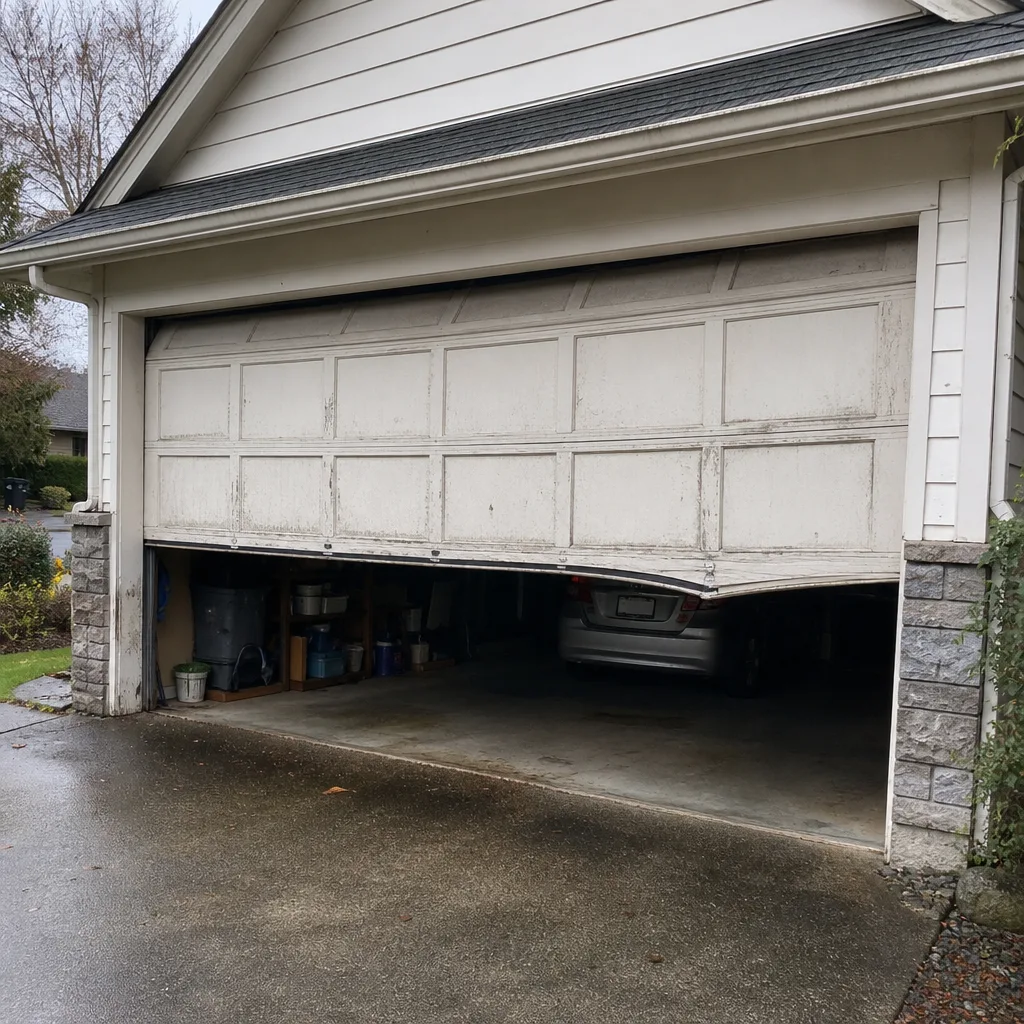 Before
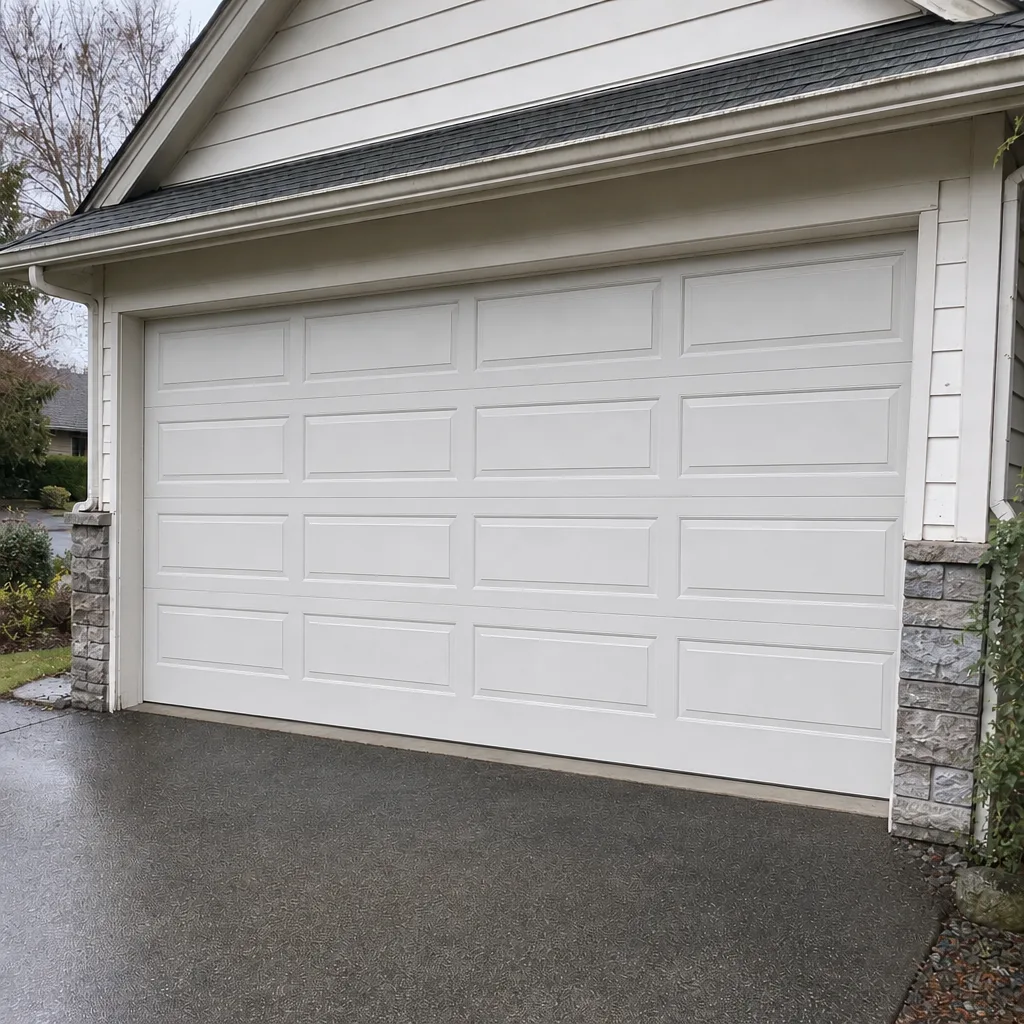 After
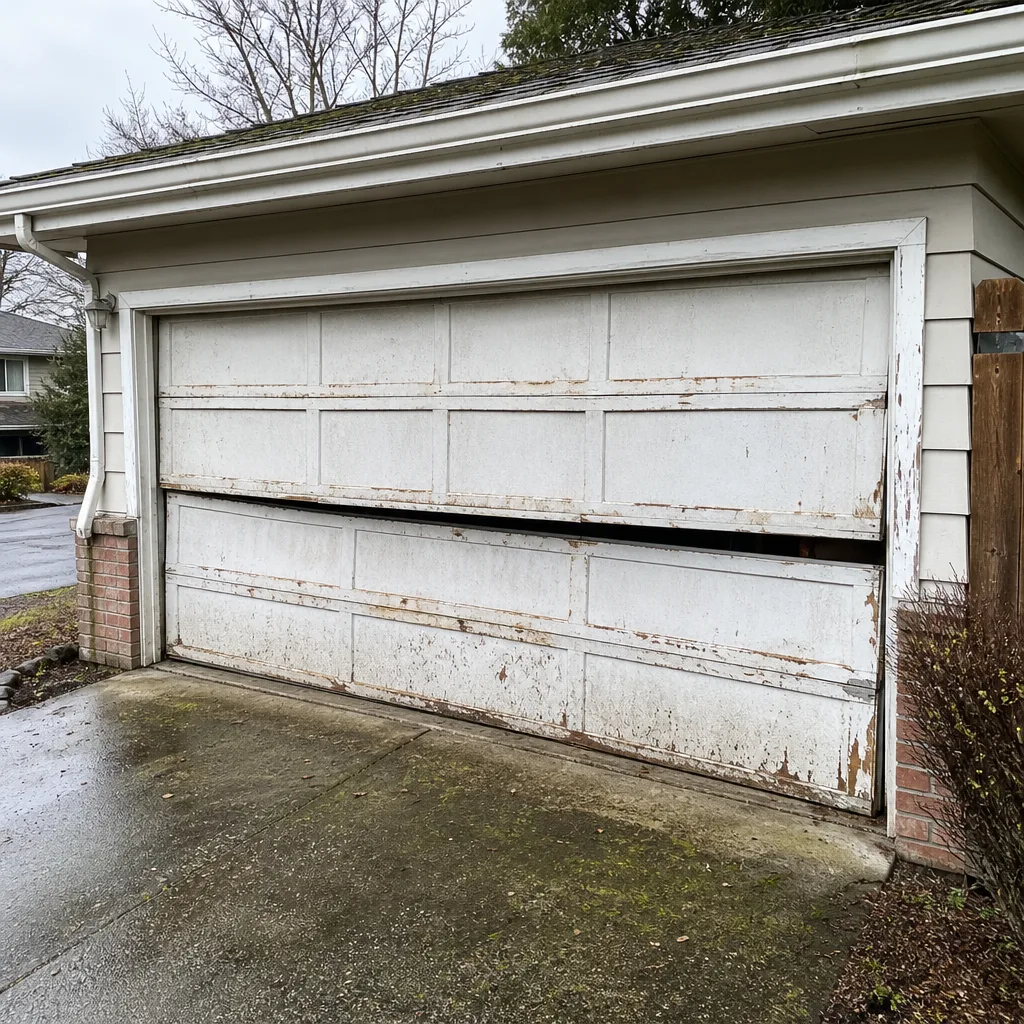 Before
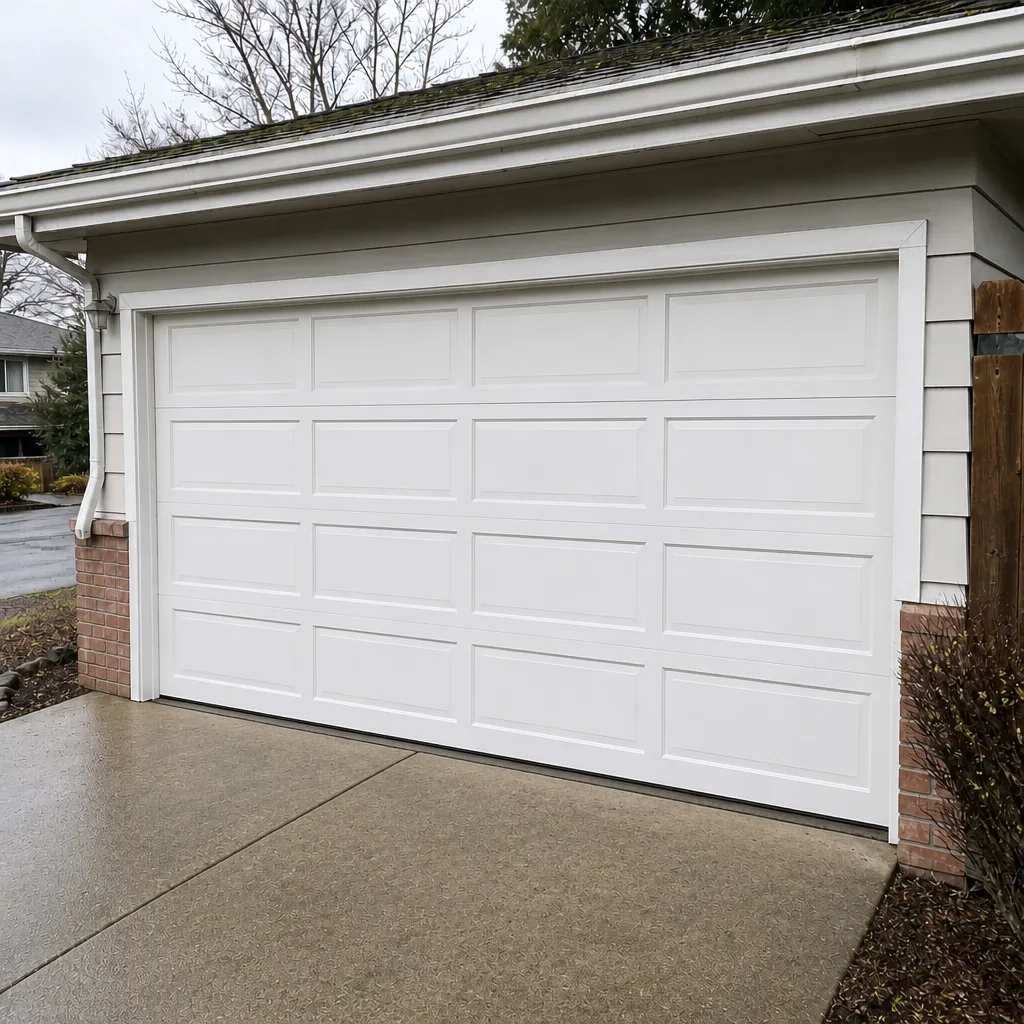 After
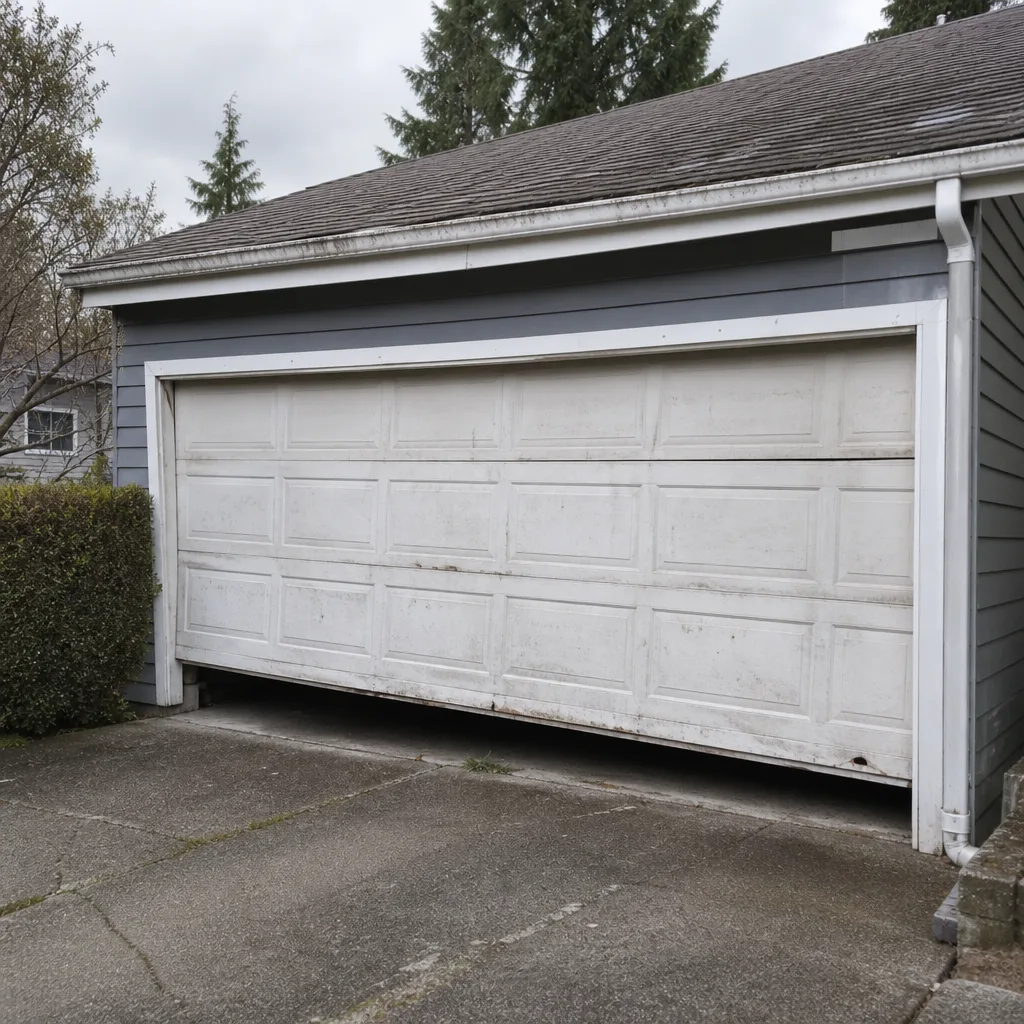 Before
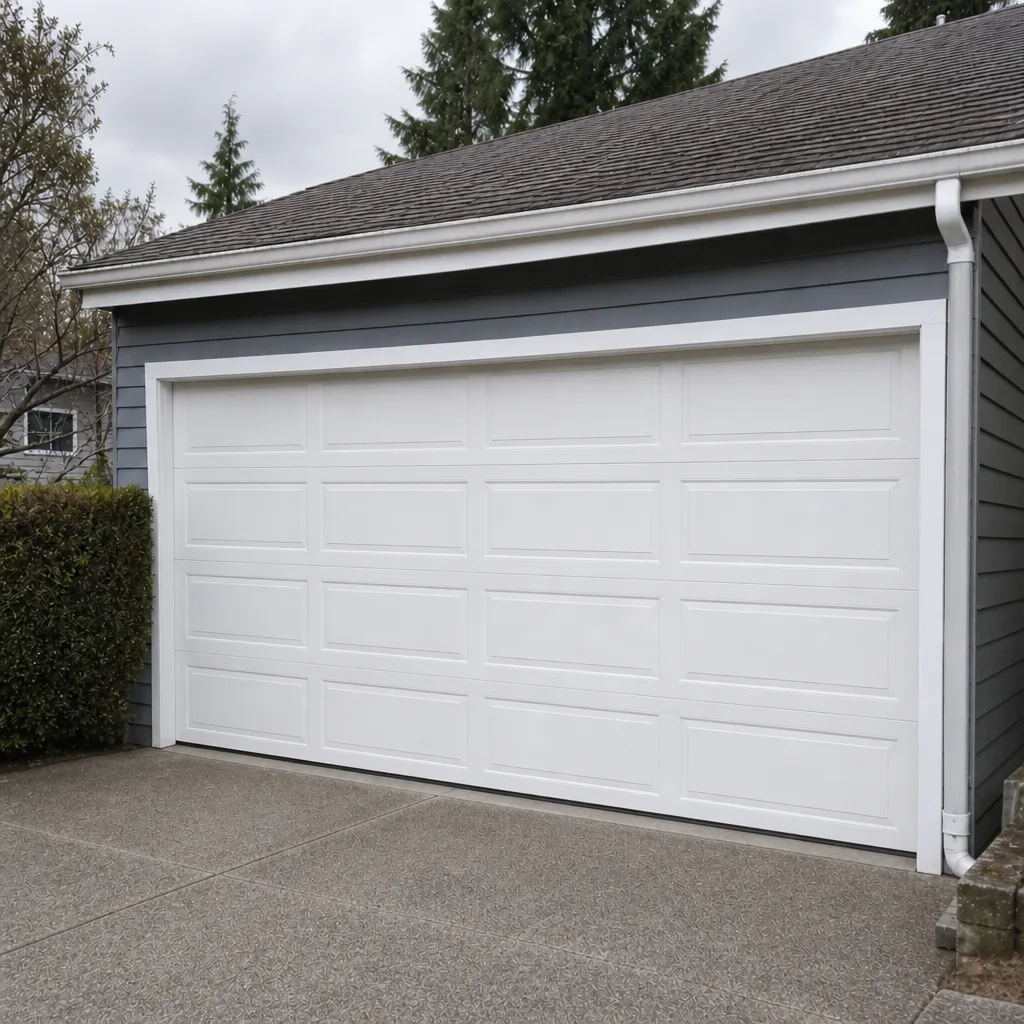 After
When to Call a Professional
Call in a specialist if you’re unsure whether your job is like-for-like or a scope change, because getting that wrong is the expensive mistake. Call if the door is failing and you want a diagnosis before deciding between repair and replacement, since the condition of the framing often decides the answer. Call if the electrical connection for your opener is missing, damaged, or in the wrong location, since that’s a coordination job between an electrician and a garage door technician. Call if a spring has snapped or the door won’t move, because spring work is dangerous and the door is a security concern until it’s fixed. Call if you’re planning a replacement and want the permit and HOA questions answered before you order. Bellevue Garage Door Repair Pros offers free estimates in Bellevue. Call (866) 937-9023. We answer 24/7. Fast dispatch from 7am to 7pm, Sunday through Friday.
Frequently Asked Questions
It depends on scope, not cost. A like-for-like replacement on an unchanged opening generally does not require a permit. If the opening size, the structural header, the electrical circuit for the opener, or the wider remodel or ADU scope is being modified, the work is a building permit item. Ask the city of Bellevue’s building department before ordering the door, or call a specialist who can tell you which category your job falls into. Call (866) 937-9023 for a free estimate.
Usually yes, if a working outlet already exists at the opener location. The technician mounts the opener, connects the drive system, wires the low-voltage safety sensors, and programs the unit. A new dedicated circuit, a relocated outlet, or any work inside the electrical panel requires a licensed electrician. Getting that line right is one of the reasons we cover both the door and the opener under one call. Call (866) 937-9023 for a free estimate.
It can. Policies generally assume the structure is code-compliant, and a claim involving a modification that wasn’t permitted can be examined for whether the non-compliance contributed to the loss. Outcomes depend on the policy and the facts, but unpermitted work creates an underwriting problem that has to be resolved later. The clean path is to permit any scope change before work begins. Call (866) 937-9023 for a free estimate.
Washington sellers complete a disclosure form covering known conditions and modifications, including unpermitted work. Buyers frequently run permit history as part of due diligence, and a garage door opening that was modified without a permit can surface during a title search or inspection. Disclosing accurately is the requirement. The efficient approach is to have any scope-change work permitted and inspected at the time it’s done. Call (866) 937-9023 for a free estimate.
Many Bellevue neighborhoods have HOA architectural committees that regulate panel style, color, window configuration, and hardware, even when the city requires no permit. Check your CC&Rs or ask your association’s architectural committee for current guidelines before ordering. Getting written approval before the door is ordered is far easier than reversing an install afterward. Call (866) 937-9023 for a free estimate.
The issues are usually fixable but each requires a return trip. Common failure points include track that isn’t plumb or level, incorrect spring sizing, non-functioning safety sensors, and inadequate opener or door fastening. The efficient approach is an installation built to pass the first time. If your door has failed and won’t move, we handle spring and door repairs as a dedicated service. Call (866) 937-9023 for a free estimate.
The Bottom Line
Bellevue’s permit threshold for garage door work is about scope, not price. A like-for-like replacement on an unchanged opening usually needs no permit, but any modification to the opening, the header, the electrical circuit, or the wider remodel scope does. The electrical line between a garage door technician and a licensed electrician is clear and worth respecting. Unpermitted work shows up at claim time and at resale, and Washington’s disclosure requirements make that exposure real. HOA approvals layer on top of city code, and the inspection step catches the errors that matter most. If you’re not sure which category your job falls into, get it answered before you order a door. For permitted work, like-for-like replacement, emergency repairs, or any garage door question in Bellevue, call (866) 937-9023 for a free estimate. We answer 24/7. Fast dispatch from 7am to 7pm, Sunday through Friday.
Written by the team at Bellevue Garage Door Repair Pros.