
Last updated November 23, 2026
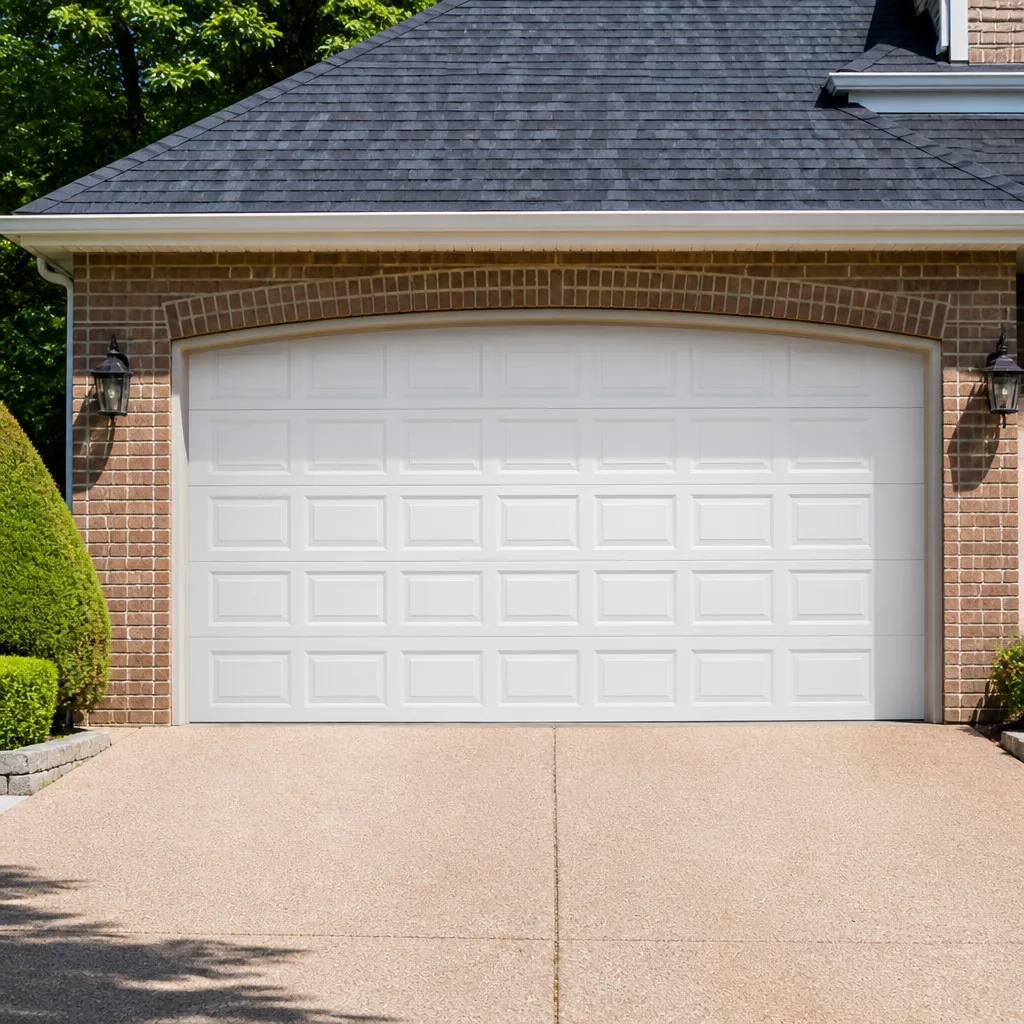 Raised-panel steel
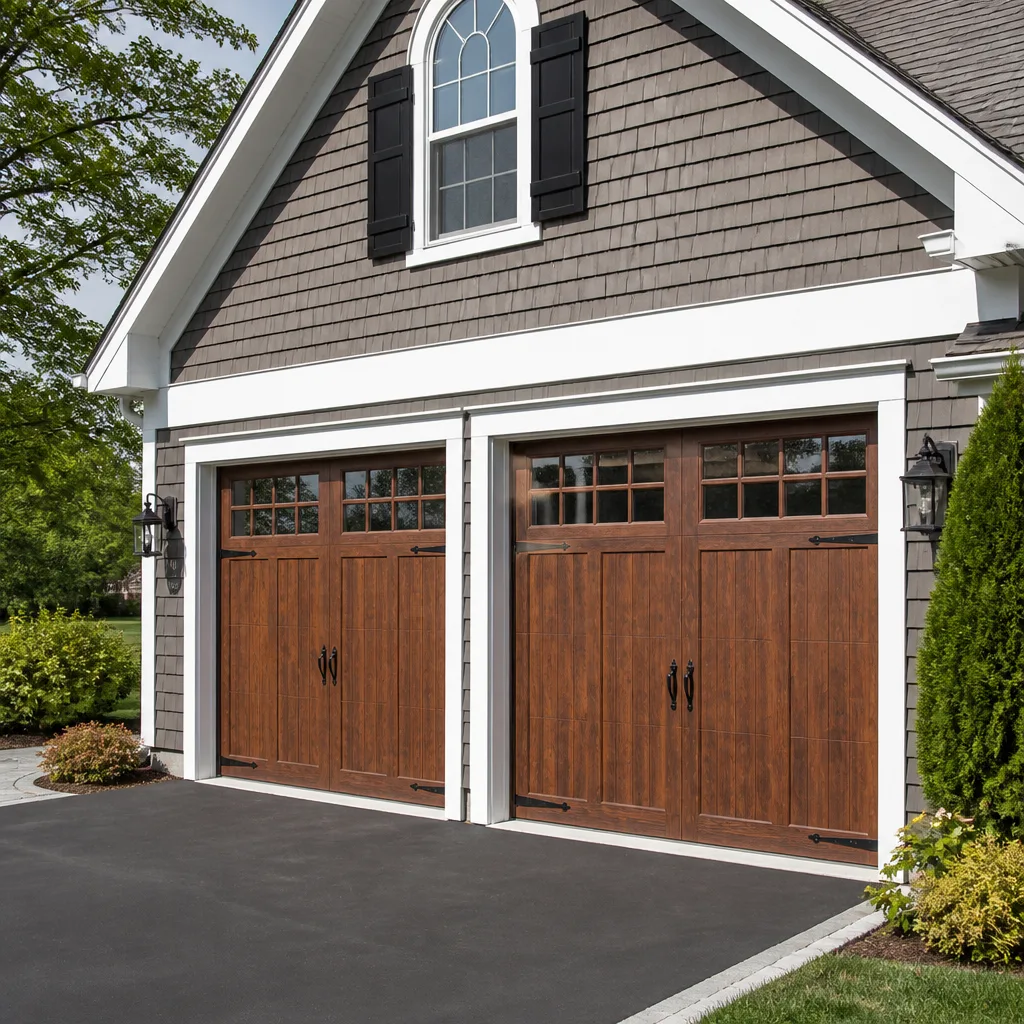 Carriage house
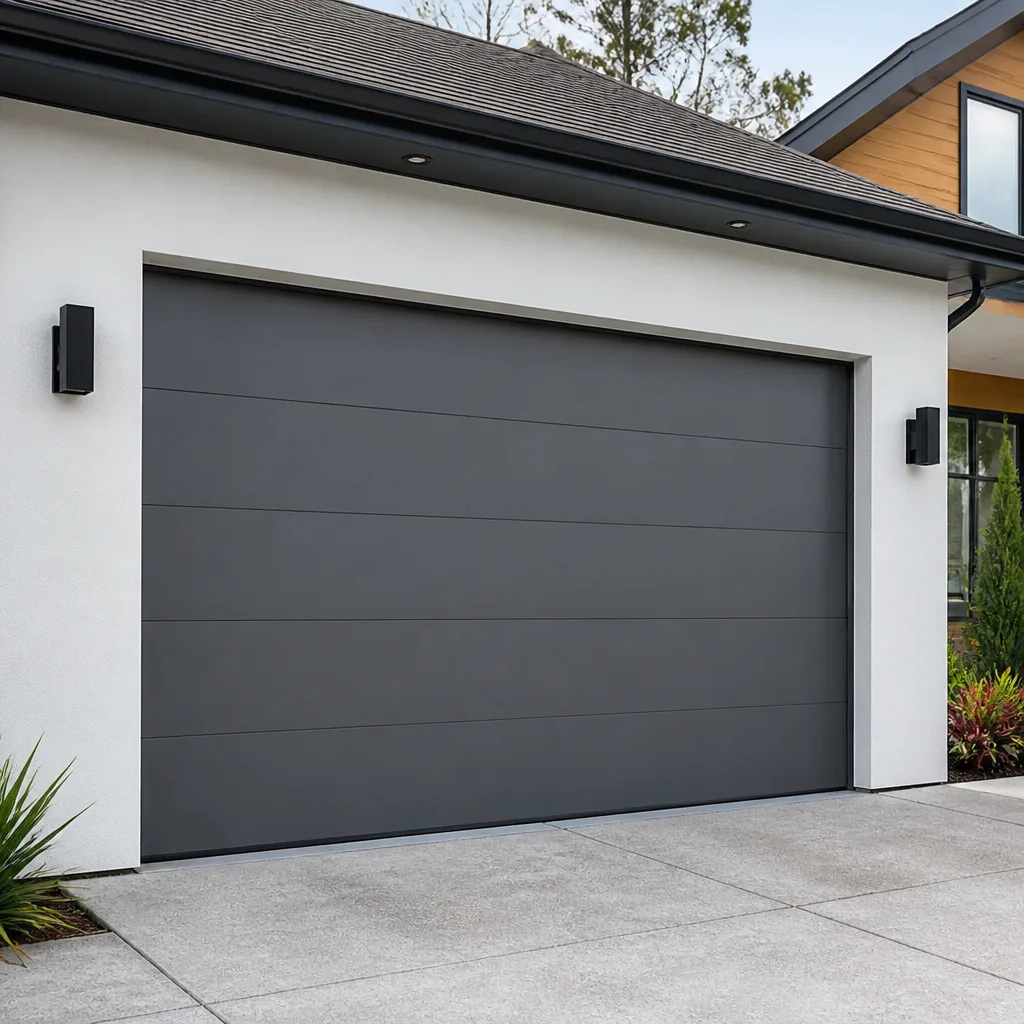 Modern flush
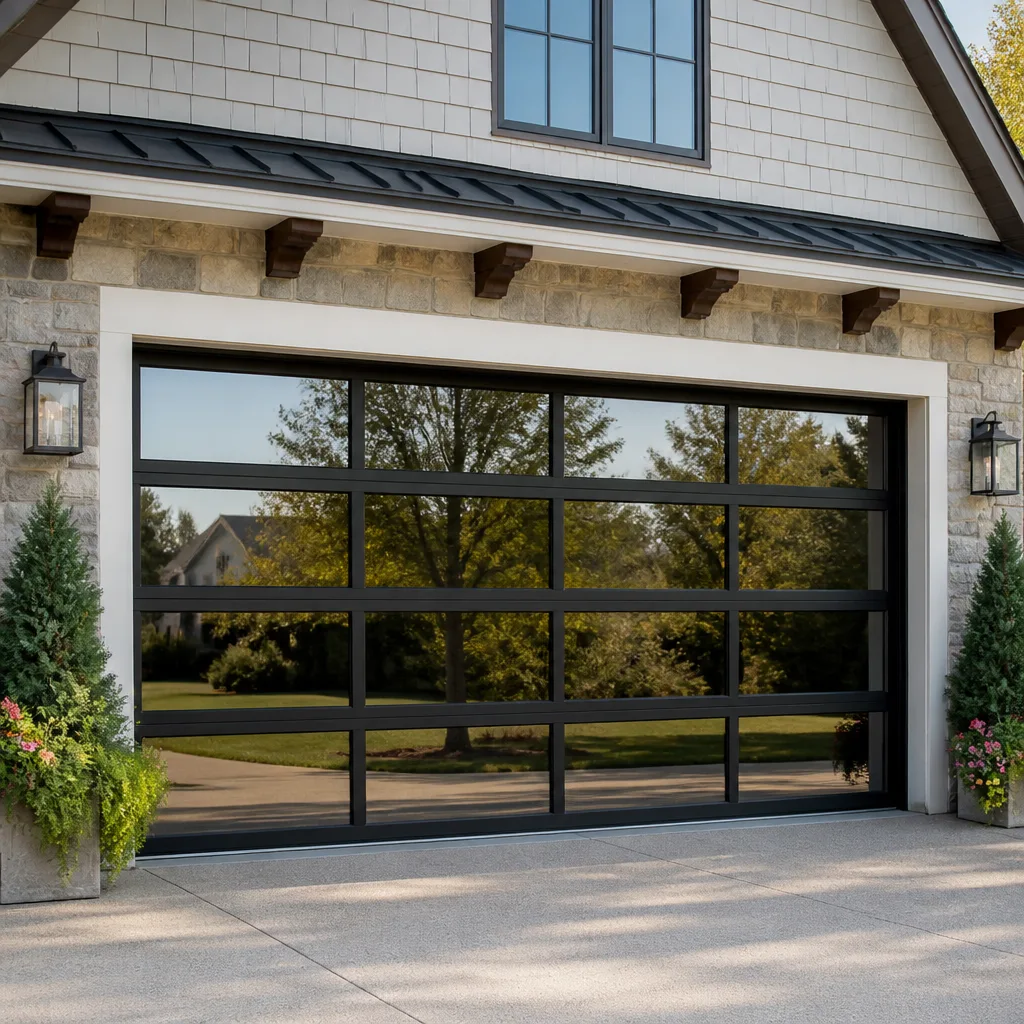 Full-view glass
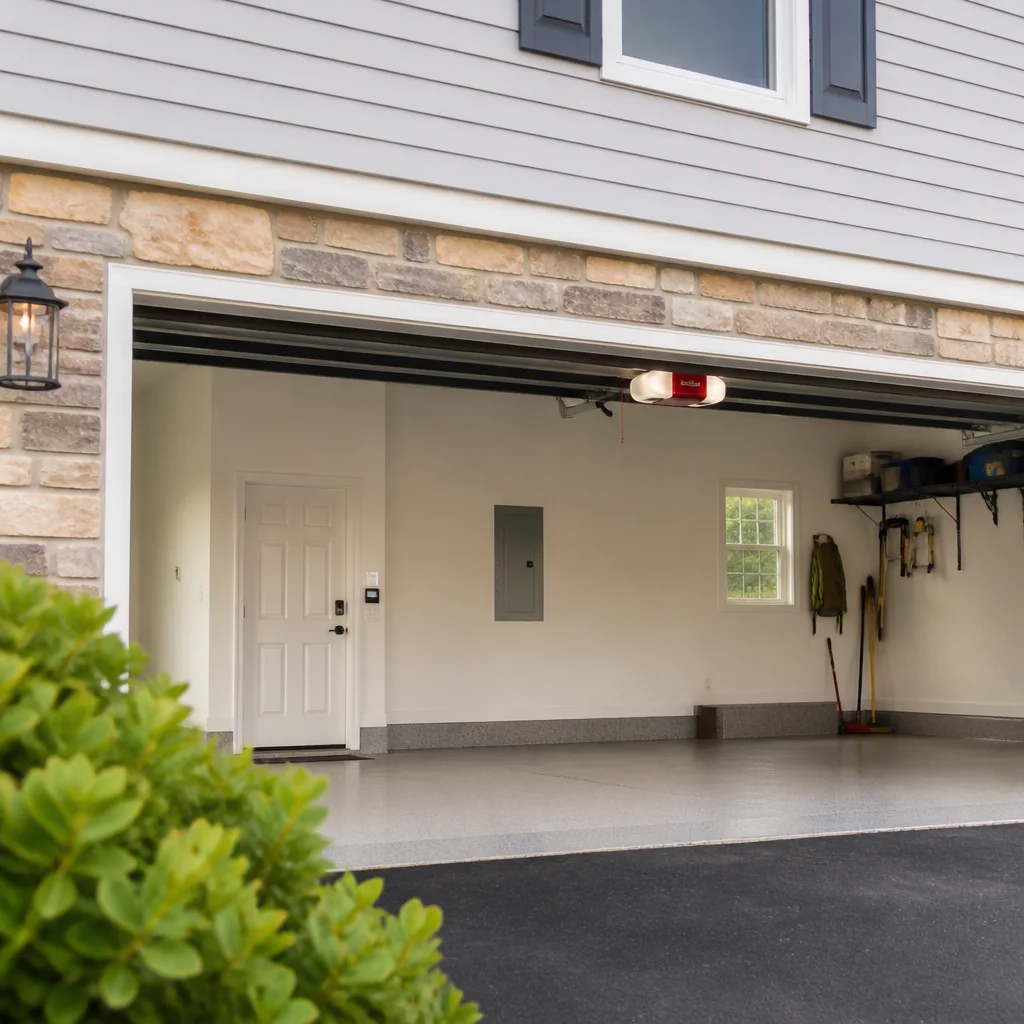 LiftMaster openers
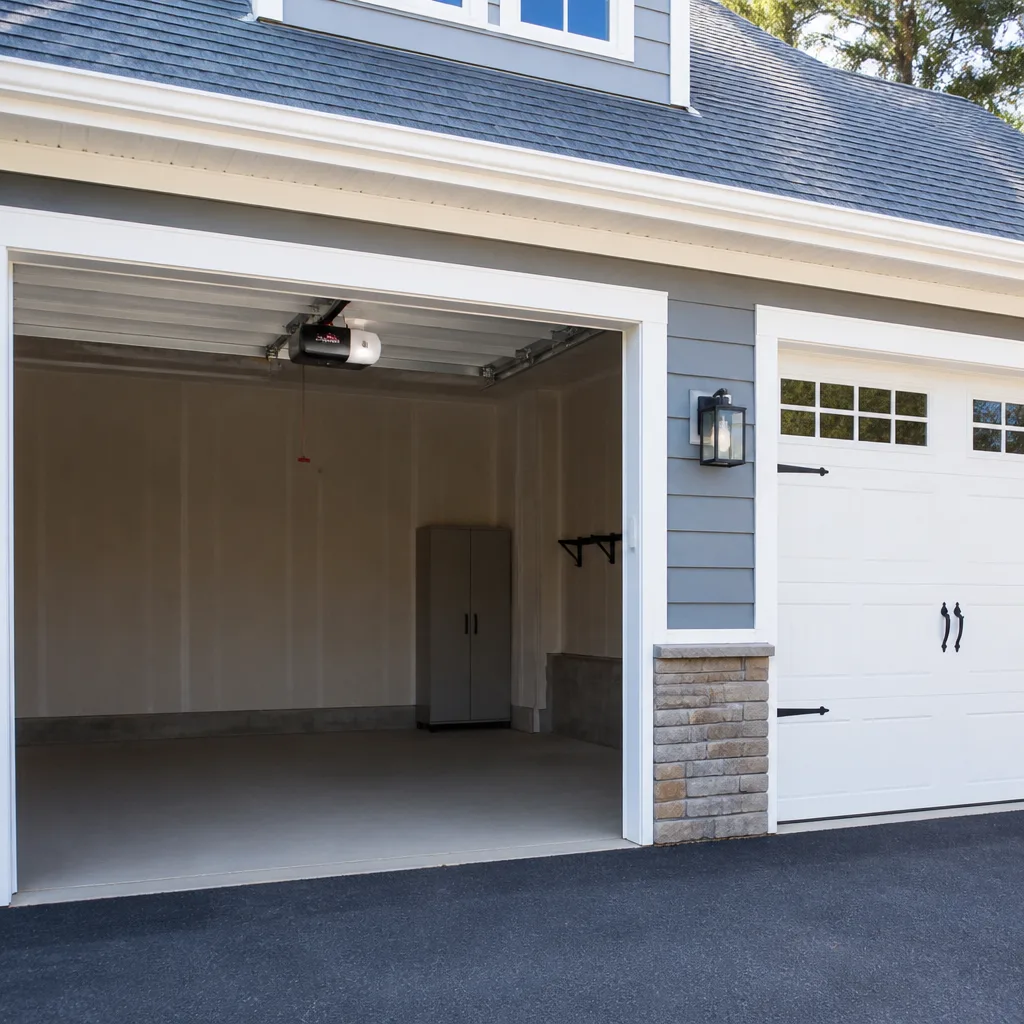 Chamberlain openers
Full 25-point door and opener safety check with every visit - springs, cables, rollers, tracks, and your LiftMaster or Chamberlain opener included
You get a price before we start. It does not change when the pro arrives.
Get your free estimateSeasonal Garage Door Care for Bellevue: Year-Round Homeowner’s Guide
Most garage door advice you’ll find online was written for a climate that Bellevue doesn’t have. The standard advice says to “service your door in spring and fall,” which assumes a steady, gradual shift between seasons. Bellevue doesn’t work that way. Our wet season arrives fast in October, our summers dry out lubricant and weatherstripping for months, and our winters swing between freezing nights and mild, thawing days. That freeze-thaw rhythm is harder on a bottom seal than a long, stable cold snap would be. In this guide, we’ll walk through a care calendar built around how Bellevue actually experiences the year, with the specific checks that catch problems before they become emergency calls.
Quick Answer
Seasonal garage door maintenance in Bellevue follows a September pre-rain audit, a January freeze-thaw check, and an August heat review rather than a generic spring-and-fall schedule. The three highest-value tasks are lubricating moving metal before the wet season, checking bottom-seal contact and photo-eye alignment during freeze-thaw cycles, and clearing track debris during leaf season. Most of this work takes an afternoon and prevents the failures that show up as emergency calls in October.
Styles & brands we work with
- Raised-panel steel
- Carriage house
- Modern flush
- Full-view glass
- LiftMaster openers
- Chamberlain openers
Table of Contents
- Why Bellevue’s Seasons Don’t Match Standard Maintenance Advice
- The September Pre-Rain-Season Audit
- The January Freeze Protocol: Freeze-Thaw and Bottom Seals
- August Heat: Steel Panels, Opener Logic Boards, and East-Facing Doors
- Storm Prep for Eastside Wind Events
- Leaf Season and Track Debris: The Task Most Guides Skip
- A Bellevue Month-by-Month Maintenance Calendar
- Brand-Specific Notes for LiftMaster, Chamberlain, Genie, and Raynor Owners
Why Bellevue’s Seasons Don’t Match Standard Maintenance Advice
The generic spring-and-fall garage door calendar was designed for climates with a long, gradual transition into winter and a slow, predictable thaw in spring. Bellevue sits in a marine-influenced lowland where the wet season typically arrives quickly in October after a dry summer, and where winter temperatures hover near freezing rather than staying well below it. That difference matters more than most homeowners realize.
When the temperature stays consistently cold, a garage door’s rubber seals, lubricants, and metal components settle into one behavior and stay there. When the temperature crosses the freezing line repeatedly, those same components expand and contract with each cycle. A bottom seal that’s slightly stiff will freeze to the concrete on a cold night, then get pulled and stretched when the door opens the next morning after a thaw. A photo-eye that’s perfectly aligned at 45°F can lose alignment when the mounting bracket shifts a fraction of an inch from thermal expansion. These are the failures we see most often in Bellevue, and they don’t show up on a spring-and-fall schedule.
There’s a second reason the generic calendar misfires here. Bellevue’s mature tree canopy and long dry summers mean that debris accumulation and UV exposure peak at different times than in other regions. Leaf drop concentrates in October and November, right when the wet season begins, so track debris and moisture arrive together. UV damage to weatherstripping peaks in August, not in the spring. Getting the timing right is most of the battle, and that’s what the rest of this guide is about.
If you’re starting from a door that’s already misbehaving, the first step isn’t usually maintenance. It’s a proper diagnosis. Our garage door repair service exists for exactly that reason.
The September Pre-Rain-Season Audit
September is the most valuable maintenance month in Bellevue because it’s the last dry window before the wet season locks in. The goal is to catch everything that a summer of dry heat has weakened, and to get lubricant where it needs to be before moisture and cold arrive together. This is the audit we recommend every homeowner run through once a year, and it’s the one that prevents most of the calls we get in October.
Here’s the specific sequence that catches the most problems:
- Inspect the weatherstripping along the bottom, sides, and top of the door. Look for cracks, hardening, or sections that have pulled away from the frame. UV exposure through the summer is what does the damage, and a seal that’s cracked in September will leak cold air and water all winter. Replace any section that’s stiff or split.
- Lubricate every moving metal surface. That means the hinges, rollers, and the torsion or extension spring coils. Use a proper garage door lubricant, not WD-40, which is a solvent rather than a lubricant and will leave metal drier than it started. A dry summer leaves these surfaces thirsty, and dry metal grinds faster once the wet season begins.
- Check the balance of the door manually. Disconnect the opener and lift the door halfway by hand. It should hold position. If it drifts down or shoots up, the springs are out of balance and need attention before winter.
- Test the safety reverse. Place a roll of paper towels under the door and close it. The door should reverse on contact. If it doesn’t, the opener’s force settings need adjustment.
- Clear the tracks and inspect for bends. Run a cloth along the inside of each track and check for debris, dents, or separation from the frame.
- Tighten every visible bolt on the hinges and track brackets. Vibration from a summer of opening and closing loosens hardware, and a loose bracket is a much bigger problem once it’s cold and wet.
Bellevue homes with east- or west-facing garages get the most UV exposure on their weatherstripping, so those doors deserve a closer look in September. If you find damage you’re not confident addressing, a free estimate takes the guesswork out of whether it’s a small fix or something bigger.
The January Freeze Protocol: Freeze-Thaw and Bottom Seals
January is when Bellevue’s freeze-thaw cycle does its most specific damage, and it’s genuinely different from what colder, more stable climates experience. The repeated crossing of the freezing line, not sustained cold, is what stresses a bottom seal, a photo-eye bracket, and the door’s overall alignment. If you live anywhere in Bellevue and your door starts misbehaving in January, freeze-thaw is the first thing to suspect.
Here’s what the cycle actually does, and what to check:
- Bottom seal freeze bonding. A rubber seal that’s slightly stiff will freeze to the concrete slab overnight. When the door opens the next morning, the seal gets pulled and stretched. Over a month of this, the bottom edge of the seal will tear or lose contact entirely. Inspect the bottom seal weekly through January, and if you see stretch marks or separation, replace it.
- Photo-eye alignment drift. The safety photo-eyes are mounted on brackets that expand and contract with temperature. A bracket that was perfectly aligned in October can drift enough to break the beam, which prevents the door from closing. If the opener’s light blinks and the door reverses immediately, check that the two eyes are pointed at each other and that nothing is blocking the beam.
- Track contraction gaps. Vertical tracks are anchored to the wall, and the metal contracts in cold. Bolts that were tight in September can loosen as the track shifts. Check the anchor bolts in January and tighten anything that’s worked loose.
- Opener force setting mismatch. Openers have a force adjustment that compensates for resistance. When the door’s rubber seals stiffen in cold, the resistance goes up, and the opener may refuse to close because it senses an obstruction. If your door closes fine in the afternoon but won’t close in the morning, cold-stiffened seals are the likely cause.
- Weatherstrip adhesion at corners. The corners of the door frame are where freeze-thaw stress concentrates, and that’s where weatherstripping tends to peel first.
Bellevue’s freeze-thaw pattern also makes the bottom seal a recurring replacement item. Expect to replace a bottom seal more often here than you would in a climate with a long, stable winter. It’s one of the cheapest parts on the door and one of the most important for keeping cold air and moisture out of the garage.
What we don’t recommend in January is adjusting springs or cables yourself. Those components are under extreme tension, and a mistake can cause serious injury. If the door feels unbalanced or a spring looks stressed, that’s a job for a trained technician. Our spring repair service handles exactly this kind of work, and we’ll explain what’s wrong before you commit to anything.
August Heat: Steel Panels, Opener Logic Boards, and East-Facing Doors
August is the month most Bellevue homeowners don’t think about their garage door at all, which is exactly why it’s the month when heat-related failures start showing up. Bellevue’s east-facing doors can see surface temperatures over 130°F on a hot afternoon, and that temperature has specific effects on steel panels and on the logic boards inside garage door openers.
The steel panel effect is thermal expansion. A steel door facing east absorbs heat from mid-morning through the afternoon, and the panel expands against its frame. On a door with rigid trim or tight spacing, that expansion shows up as a door that binds in the middle of the day but moves fine in the evening. It’s not a mechanical failure; it’s a temperature effect. The fix is usually to check clearances and adjust the trim rather than replace anything.
The opener logic board effect is more specific. Modern openers, including several LiftMaster and Chamberlain models, use logic boards and temperature-sensitive components that can behave unpredictably in a garage that gets very hot. If your opener works fine in the morning and acts up in the late afternoon, heat is a strong candidate. In our experience, opening the garage door periodically through the hottest part of the day to let heat escape makes a measurable difference, and if the opener keeps misbehaving, the logic board is worth checking.
East-facing doors in Bellevue also take more UV exposure on their weatherstripping and finish, which is why we recommend inspecting weatherstripping in August rather than waiting for September. Any cracking you see in August will be a leak by November. If you’re not sure whether what you’re seeing is cosmetic or structural, a free estimate is the fastest way to find out.
Storm Prep for Eastside Wind Events
Bellevue’s storm season is well-known to anyone who’s lived here through a fall or winter, and the atmospheric river pattern that brings heavy rain also brings gusty wind that tests a garage door’s lateral stability. A door that’s mechanically sound can still shift or rattle in a strong gust if the track anchors have loosened, and once a track is out of alignment, the door’s whole operation suffers.
Before storm season, check the following:
- Lateral track anchor integrity. The vertical tracks are anchored to the wall with bolts or brackets. Test each anchor by hand: it should be solid, with no movement. If any anchor wiggles or has pulled away from the wall, that’s a pre-storm fix, not a post-storm repair.
- Horizontal track support brackets. The horizontal tracks are supported by brackets that hang from the ceiling or the header. Check that every bracket is tight and that nothing is bent.
- Panel integrity and hinge torque. Loose hinges allow panels to flex in wind, which stresses the seams. Tighten every hinge bolt you can reach.
- Weatherseal around the door perimeter. A seal that’s tearing or missing a section lets wind-driven rain into the garage. This is the time to replace it.
- The opener’s manual release. In a storm, a power outage may leave the door stuck. Test the manual release lever so you know it works.
- Bottom bracket and cable condition. If the bottom bracket shows wear or a cable looks frayed, that’s a professional call before storm season. Cables are under tension and shouldn’t be adjusted by homeowners.
Raynor and Clopay doors with heavier steel panels tend to handle wind better than light aluminum, but the anchors and brackets are what matter most, and those need checking regardless of door material. Bellevue’s Eastside neighborhoods see wind that comes through in bursts, and it’s the bursts that test an anchor rather than the sustained wind.
Leaf Season and Track Debris: The Task Most Guides Skip
This is the maintenance task that almost no generic guide mentions, and it matters more in Bellevue than in most places because of our mature tree canopy. Debris accumulates at the bottom of the vertical track, right where the bottom roller sits, and during leaf season that debris is a mix of leaves, twigs, and fine grit that gets packed down every time the door cycles. Over a few months, that accumulation causes the bottom roller to bind, the door to run unevenly, and eventually the track to wear.
The fix is simple and takes five minutes:
- Close the door fully.
- Use a shop vacuum or a stiff brush to clear the bottom 6 inches of both vertical tracks.
- Wipe the inside of each track with a cloth.
- Check the bottom roller for debris it may have picked up.
- Repeat every few weeks through leaf season.
If you have mature trees near the garage, the leaf drop in October and November will drop material onto the door’s top panel as well, which runs down into the top seal and the opener’s rail. Clearing the top of the door along with the tracks is worth doing. It’s the simplest maintenance task in this guide, and it’s the one most likely to be skipped because nothing visibly breaks when you ignore it. The wear shows up a year or two later as a binding door or a worn roller.
For most Bellevue homeowners, the eight-point task list above is quick. But if you find that your door has already started binding or running rough, we cover that through garage door repair and can also look at the opener if the drive system is contributing. One call covers the door and the opener, which saves coordinating two contractors.
A Bellevue Month-by-Month Maintenance Calendar
Here’s how we’d structure a maintenance year in Bellevue. The exact timing shifts with the weather each year, but the sequencing is consistent:
- January. Weekly bottom-seal inspection, photo-eye alignment check, track anchor bolt check. Look for freeze bonding and stiff seals.
- February. Mid-winter tighten-down: bolts on hinges, brackets, and track. Check weatherstripping at frame corners.
- March. Post-winter assessment. Check for seal damage from the freeze-thaw cycle and replace anything torn.
- April. Lubricate hinges, rollers, and spring coils. Test the safety reverse.
- May. Balance check (door holds halfway), manual release test, and a full visual inspection of cables and springs.
- June. Clear tracks, tighten hardware, and check the opener’s force setting.
- July. Heat-season check: watch for mid-day binding on east-facing doors and opener behavior during hot afternoons.
- August. Inspect weatherstripping for UV damage. Check opener logic board behavior and open the garage for ventilation on hot days.
- September. Full pre-rain-season audit. Lubricate, replace weatherstripping, tighten every bolt, test safety reverse.
- October. Begin leaf-season track clearing. Watch for the first cold snap and any deferred lubrication issue that announces itself.
- November. Continue track clearing. Check weatherstrip and bottom seal before the first sustained freeze.
- December. Freeze check: align photo-eyes, check seal contact, tighten anchors.
The one month we’d flag as most critical is September. It’s the point where everything a dry summer has stressed can still be fixed before the wet season, and it’s the month when the biggest return on a small amount of maintenance is available.
Brand-Specific Notes for LiftMaster, Chamberlain, Genie, and Raynor Owners
Garage door maintenance is not brand-neutral. The components inside your opener, the way its logic board handles temperature, and the hardware on your door vary by manufacturer, and a technician who knows the brand can diagnose behavior much faster. Our technicians have up to 11 years of experience and are trained on the eight major brands, including LiftMaster, Chamberlain, Genie, and Raynor. Here’s how a brand-specific view changes the seasonal advice:
- LiftMaster. Several LiftMaster models use logic boards that are sensitive to heat in the summer and force settings that can drift when seals stiffen in the cold. If your LiftMaster misbehaves in August, the logic board is worth checking; if it misbehaves in January, the force setting and seal stiffness are worth checking first.
- Chamberlain. Chamberlain shares some component design with LiftMaster, and the same heat and cold logic applies. The photo-eye brackets on many Chamberlain models are particularly sensitive to thermal drift, so photo-eye checks in January matter.
- Genie. Genie openers tend to have different force settings and track lubrication recommendations, and the brand-specific behavior matters when the door binds in August. Genie owners sometimes confuse a heat-binding door with a failing opener, when the door itself is the issue.
- Raynor. Raynor doors often have heavier steel panels, which handle wind well but can bind in summer heat if the trim is tight. Panel expansion on a hot afternoon is a common Raynor observation, and the fix is usually a clearance adjustment rather than a repair.
This brand-by-brand understanding is one of the reasons we take brand seriously. When a technician knows the specific behavior of your LiftMaster or Genie, they can diagnose in one visit instead of two. Single-source capability also matters for repairs: opener repair, door repair, and installation are handled by the same team, which reduces diagnostic handoffs and repeat calls.
If you’re considering a new door rather than maintaining an old one, brand fluency matters even more. Our garage door installation service is built around matching the door and the opener to your space rather than selling you the same spec for every home. And if the door is fine but the opener is the problem, garage door opener repair handles the drive system specifically, which means you’re not paying for a full door service when only the opener needs work.
Common Mistakes to Avoid
- Following a generic spring-and-fall calendar. Bellevue’s season timing doesn’t match the national advice, and a September audit catches more than a spring one. If you service only in spring, you’ll miss the pre-rain window that matters most here.
- Using WD-40 on hinges and springs. WD-40 is a solvent, not a lubricant, and it leaves metal drier than it started. Use a proper garage door lubricant, and apply it to the hinges, rollers, and spring coils.
- Ignoring the bottom of the vertical tracks during leaf season. Debris accumulation at the bottom roller is the most overlooked problem in Bellevue, and it wears tracks faster than any other cause. Clear it every few weeks through October and November.
- Assuming a noisy door needs a new opener. A rattling or grinding door is usually a hardware problem, not an opener problem. Tightening the hinges, lubricating the rollers, and checking the track anchors often solves it for free.
- Adjusting springs or cables yourself. Torsion springs are under extreme tension, and even one wrong move can cause serious injury. Leave spring repair and cable work to a trained technician.
- Skipping the January photo-eye check. Thermal drift knocks photo-eyes out of alignment, and a misaligned photo-eye prevents the door from closing. If your door reverses immediately in cold weather, check alignment before assuming a bigger problem.
- Waiting for the October cold snap to act. October is the month most Bellevue garage door failures get scheduled, because the first cold night reveals every deferred lubrication issue at once. Do the September work so October isn’t a crisis.
See the difference
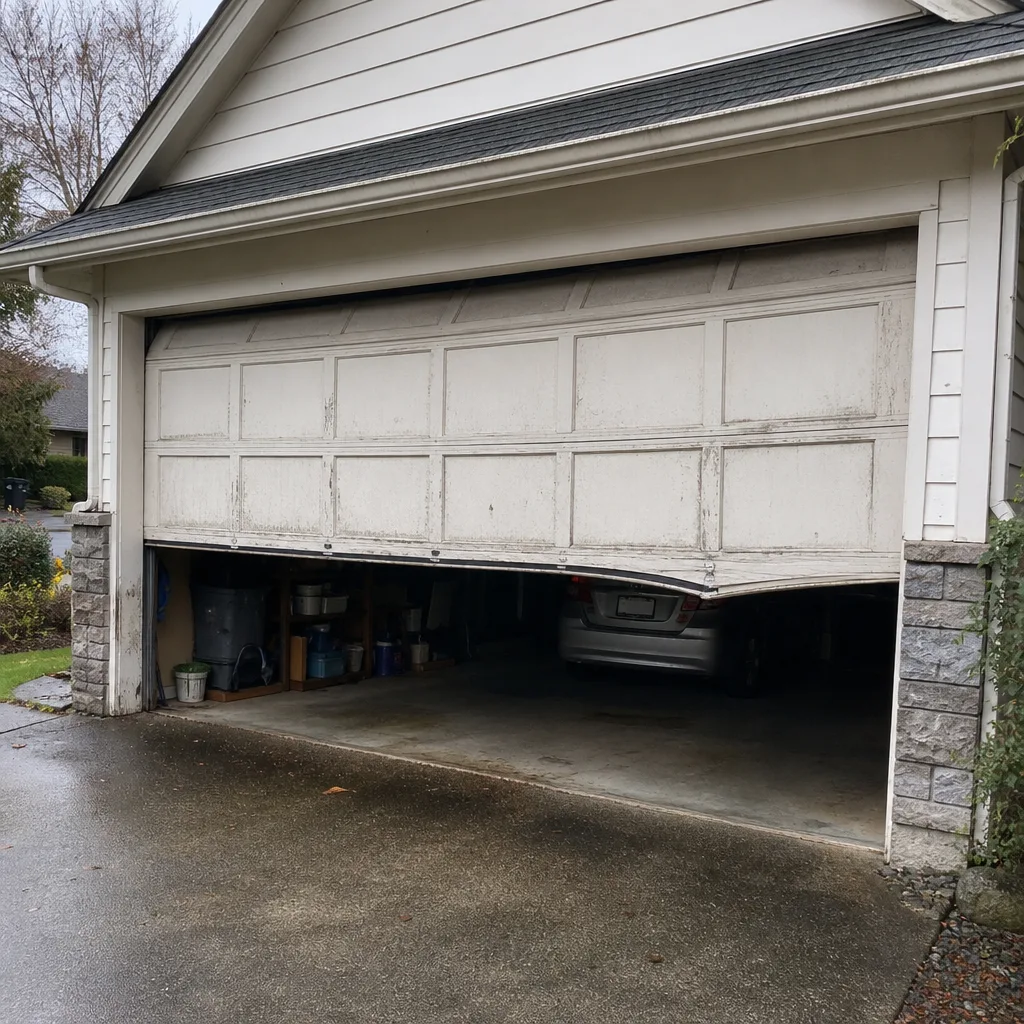 Before
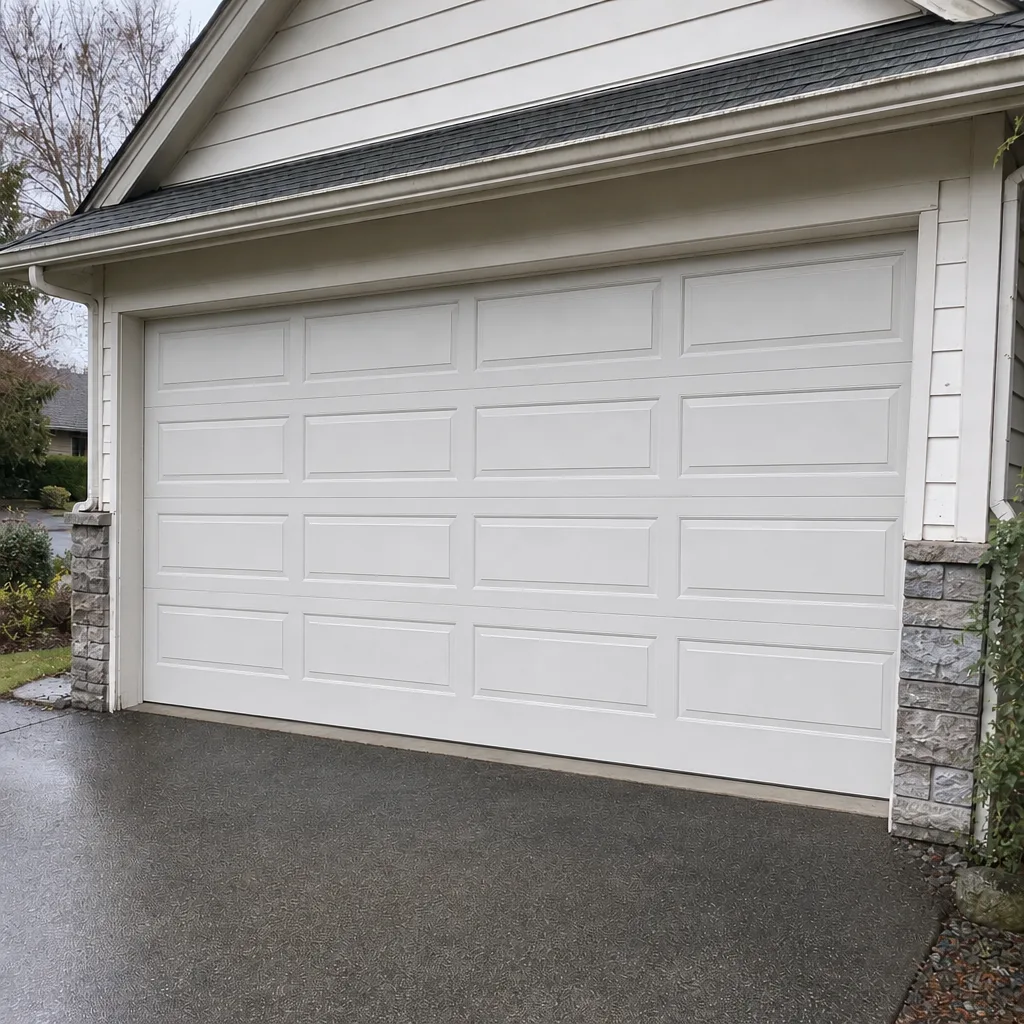 After
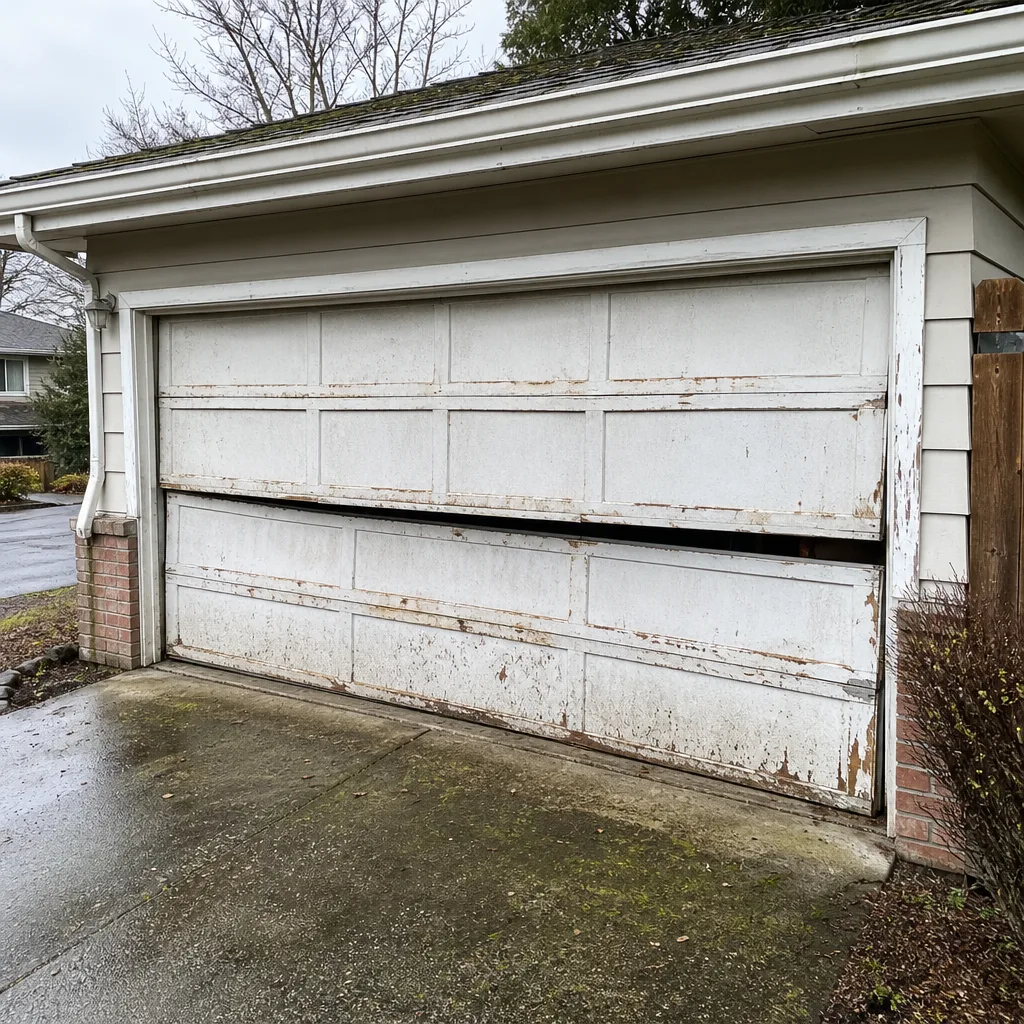 Before
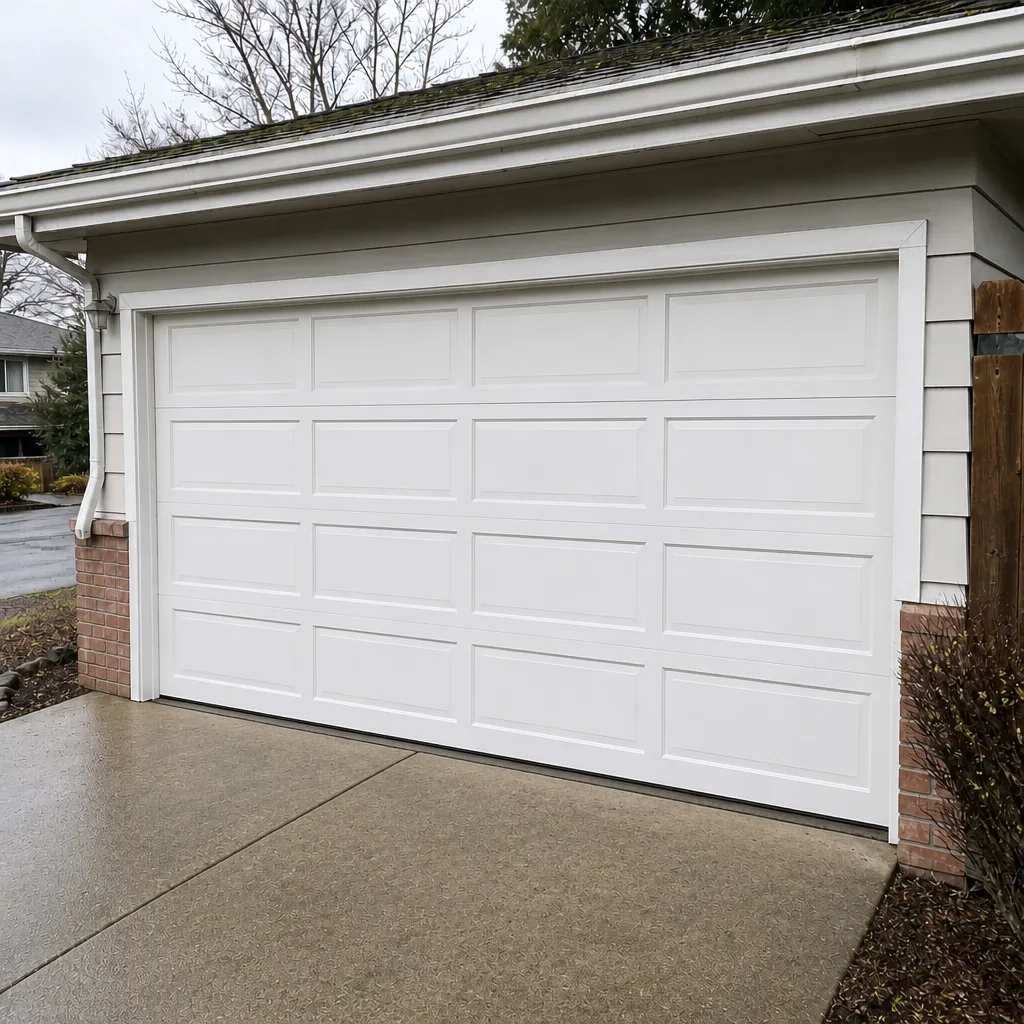 After
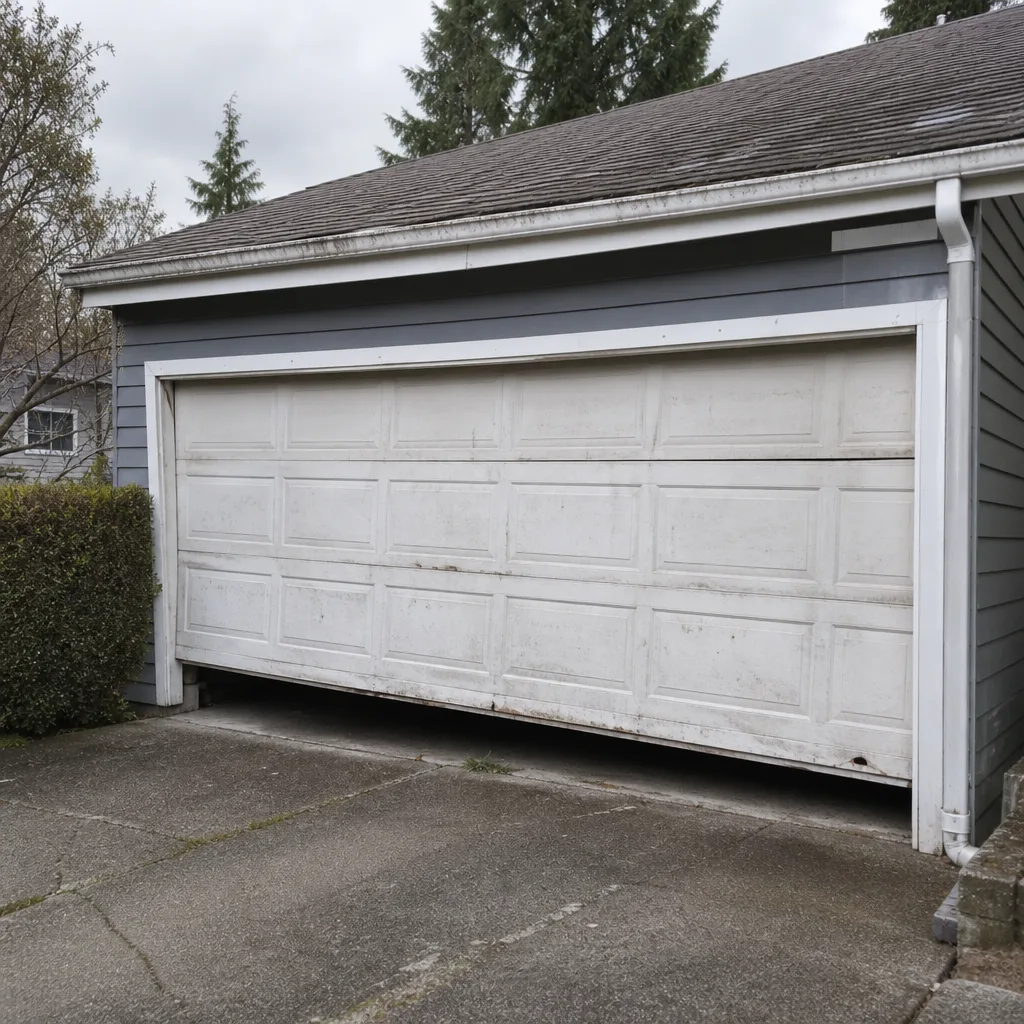 Before
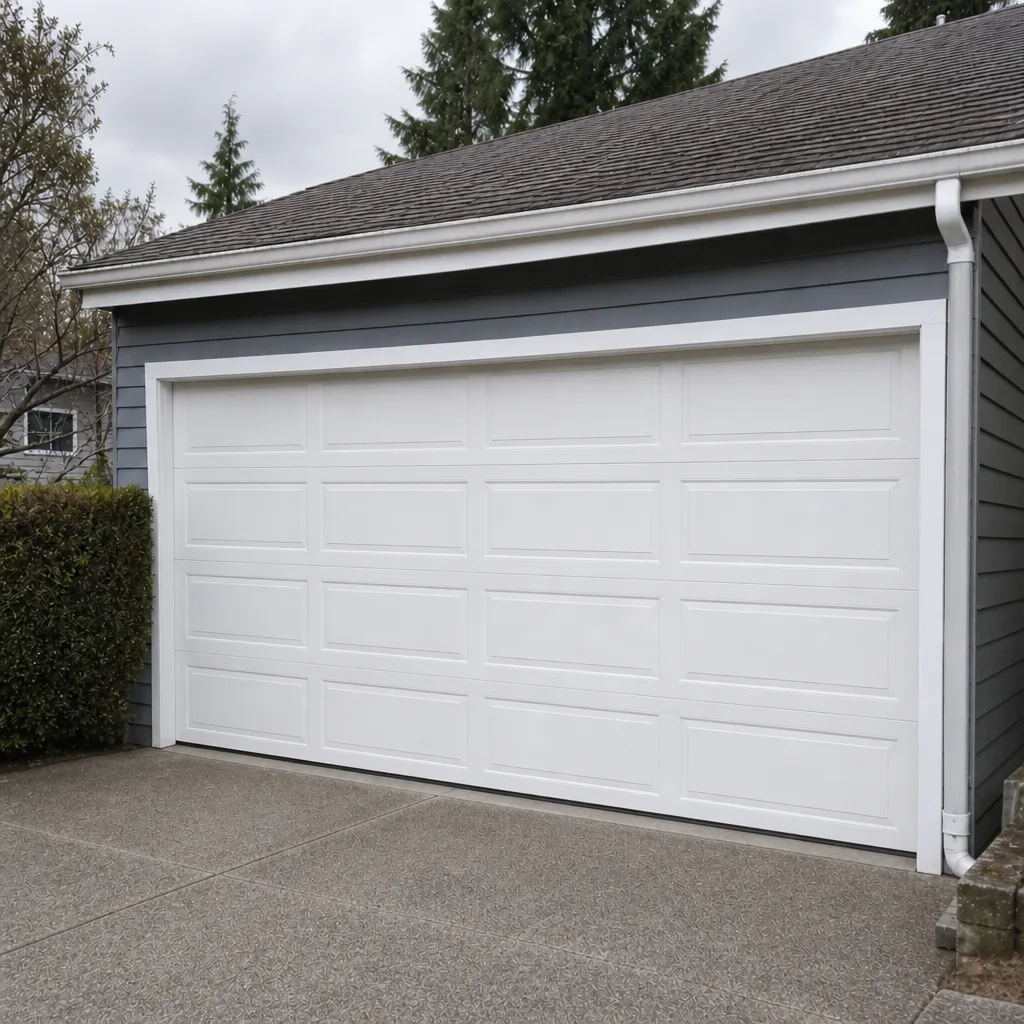 After
When to Call a Professional
Most of the maintenance in this guide is safe for a homeowner. Some of it isn’t. Call a professional if the door won’t balance when disconnected from the opener, if you hear a loud snap or the door slams shut, if a spring looks stretched or broken, or if a cable is frayed or hanging loose. Those are the situations where the components are under tension and a mistake can cause serious injury. Call a professional if the door binds in summer heat and you can’t trace it to clearance, if the opener’s logic board misbehaves repeatedly, if the track has pulled away from the wall, or if you’ve found damage during the September audit that you’re not confident addressing. Bellevue Garage Door Repair Pros offers free estimates in Bellevue. Call (866) 937-9023. We answer 24/7. Fast dispatch from 7am to 7pm, Sunday through Friday. When the door won’t move, we move fast. Every job is quoted and agreed before any work starts.
Frequently Asked Questions
September is the most important month for garage door maintenance in Bellevue because it’s the last dry window before the wet season. A September audit catches summer-dried lubricant, UV-cracked weatherstripping, and loose hardware before cold and moisture arrive. A second, lighter check in January covers the freeze-thaw effects that don’t show up on a generic calendar.
Most routine maintenance in Bellevue is covered by a service call with a written estimate, and the price is set per job by that estimate, not by a standard fee. Simple tasks like lubrication, track clearing, and tightening hardware are typically quick. Repairs or replacements that come up during the visit are quoted separately before any work starts. Call (866) 937-9023 for an exact quote; estimates are free.
Yes. Emergency garage door service is a core offering, not an upsell. We answer 24/7 and dispatch technicians from 7am to 7pm, Sunday through Friday. If you call outside that window, we’ll book the next available opening. Call (866) 937-9023 and describe what the door is doing.
Bellevue’s freeze-thaw cycle, where temperatures cross the freezing line repeatedly, is harder on bottom seals and photo-eye alignment than sustained cold would be. A rubber seal that’s slightly stiff will freeze to the concrete, then get pulled when the door opens. Photo-eye brackets drift with temperature changes, which can break the beam and prevent the door from closing. January is the month to check both.
No. The written estimate sets the final price, and the price is quoted and agreed before any work starts. If a technician finds something during the visit that wasn’t in the original quote, you’ll get a revised written estimate before any additional work begins.
The local professionals we connect you with are licensed and insured as their state requires. Our technicians have up to 11 years of experience and are trained on the eight major brands, including LiftMaster, Chamberlain, Genie, and Raynor, so they diagnose by brand-specific behavior rather than guesswork. Call (866) 937-9023 to talk through your door or opener.
The Bottom Line
Bellevue’s garage door care calendar doesn’t follow the national spring-and-fall advice. The seasons that matter most here are September, when a pre-rain audit catches what a dry summer has weakened; January, when freeze-thaw tests every seal, photo-eye, and anchor; August, when east-facing doors see surface temperatures that affect steel panels and opener logic boards; and October through November, when leaf-season debris accumulates at the bottom of the tracks. Handle those four windows and you’ll prevent most of the calls we get. Skip them and October’s first cold snap will find every deferred issue at once. If you’re not sure where your door stands, a free estimate is the fastest way to find out. One call covers the door and the opener, and we work on the brand you already own.
Call (866) 937-9023 for a free estimate. We answer 24/7. Fast dispatch from 7am to 7pm, Sunday through Friday. If your door fails, we can also connect you through Bellevue Garage Door Repair Pros to the right service for your situation.
Written by the team at Bellevue Garage Door Repair Pros.